Democrats in several deeply Republican states are urging their own nominees to withdraw so independent candidates can run one-on-one against GOP opponents and avoid splitting the anti-Republican vote. This tactic has led to withdrawals in Nebraska, Idaho, South Dakota and Alaska, while Montana remains contested after nominee Alani Bankhead refused to step aside for independent Seth Bodnar. Supporters say independents can outperform Democrats head-to-head in red states and force Republicans to spend more broadly; critics warn of risks to party organization and voter loyalty.
Democrats Ask Nominees To Step Aside In Red States, Back Independents To Avoid Split Anti-GOP Vote

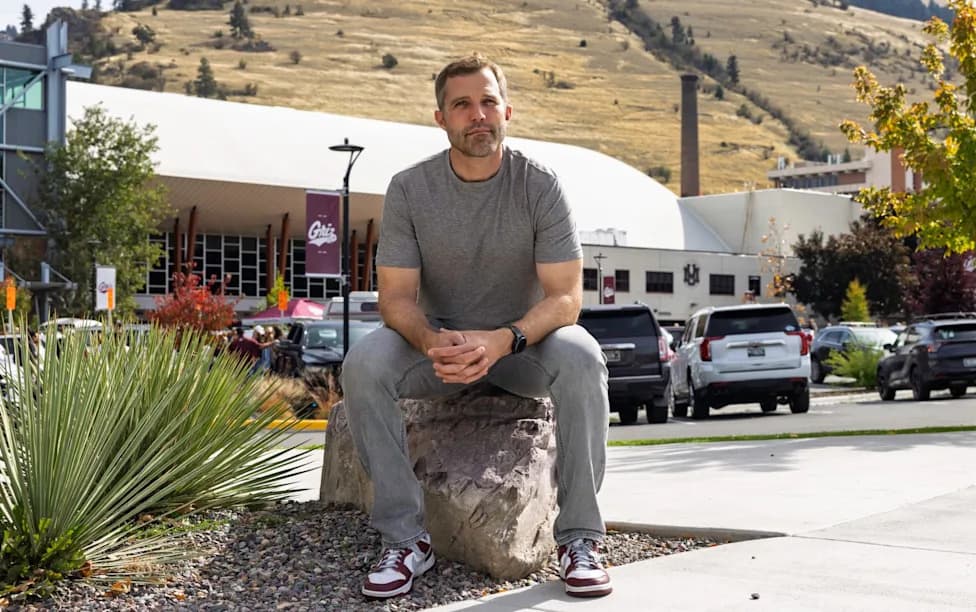
Seth Bodnar, an independent candidate for the open Senate seat in Montana, waves to the crowd at the 101st annual Roundup Rodeo Parade. William Campbell via Getty Images
Facing a drop in President Donald Trump's popularity and seeking better chances in deeply Republican states, Democrats are increasingly asking their own nominees to withdraw so independent candidates can run one-on-one against GOP opponents. The tactic aims to consolidate the anti-Republican vote in states where the national Democratic brand is a liability.
Why Parties Are Clearing The Field
Party strategists argue that in very red states, independent candidates can attract voters who would not support a Democrat but who are open to a non-GOP alternative. That can be especially valuable where Democrats have struggled for years to win statewide contests.
Where This Has Happened
So far this cycle, Democratic nominees have stepped aside or faced pressure to do so in several states:
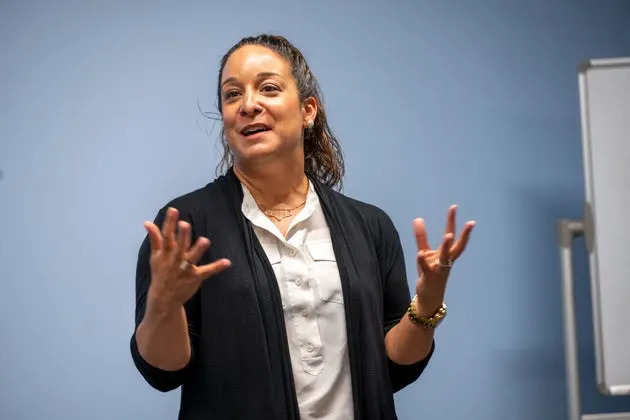
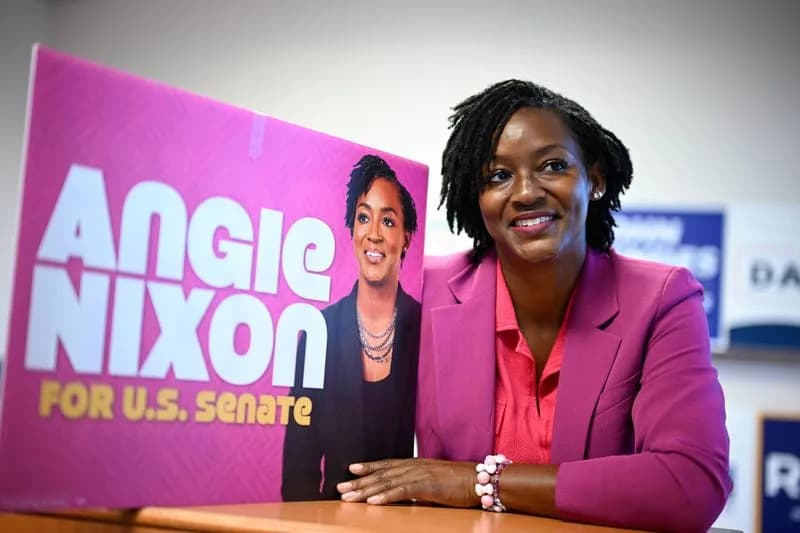
Democrat Alani Bankhead addresses the Park County Democratic Central Committee while campaigning for the Senate seat on July 14, 2026, in Livingston, Montana. William Campbell via Getty Images
- Nebraska: Democrat Cindy Burbank withdrew on July 18 to make way for independent Dan Osborn.
- Idaho: David Roth ended his campaign on July 28, leaving independent Todd Achilles as the main challenger to Sen. Jim Risch.
- South Dakota: Julian Beaudion withdrew on Aug. 4 to clear the path for independent Brian Bengs.
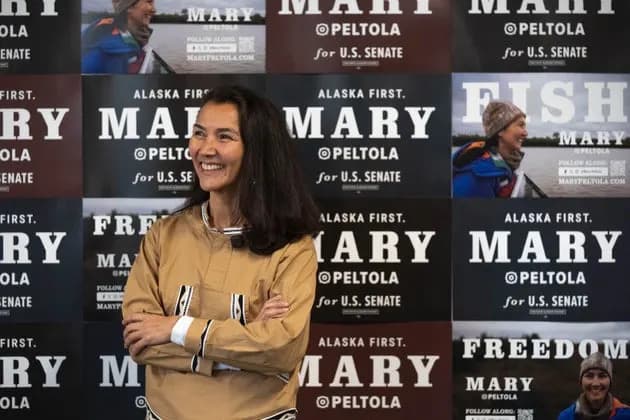
- Alaska: House candidate Matt Schultz dropped his challenge on July 17 and endorsed independent Bill Hill against Rep. Nick Begich.
Montana: The Notable Exception
Montana remains a contested example of the strategy. After GOP Sen. Steve Daines unexpectedly opted not to seek reelection, former University of Montana president Seth Bodnar entered the race as an independent. Some Democratic leaders urged nominee Alani Bankhead to withdraw so Bodnar could face the GOP nominee, Kurt Alme, without splitting the anti-GOP vote.
‘It’s kind of a mess right now,’ said former Sen. Jon Tester, who publicly backed Bodnar and urged Bankhead to step aside.
Bankhead has refused, saying she will stay in the race and arguing that Bodnar should withdraw instead. Outside groups and unions have poured money and endorsements into the contest: Montana Freedom PAC spent more than $1 million on ads and texts supporting Bodnar, and the state's chapters of the Service Employees International Union and the Montana Federation of Public Employees have endorsed him.
Legal And Tactical Considerations
Legal advisers in Montana and from the national Democratic law firm Elias Group have prepared opinions indicating the state party could choose not to replace Bankhead if she withdrew before the filing deadline. Polling from groups that support independents — including Contours, Inc. and others — has shown mixed results but often suggests independents perform better head-to-head against GOP opponents than Democrats do when the anti-GOP vote is split.
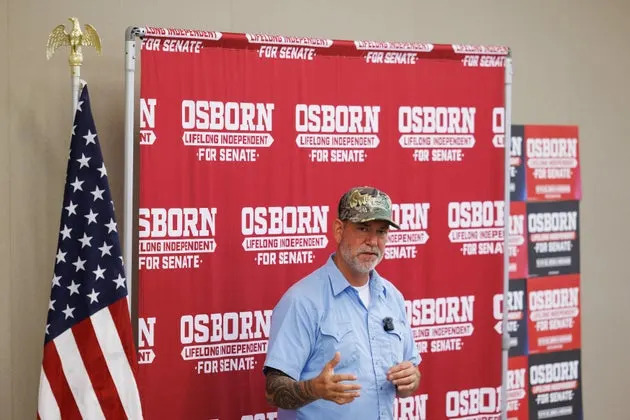
Dan Osborn, a nonpartisan candidate for U.S. Senate, holds a town hall at the Stastny Community Center in Hebron, Nebraska, on Aug. 2, 2026. Nikos Frazier/Omaha World-Herald via Getty Images
Potential Payoffs And Risks
Supporters say the approach can achieve two goals: improve the chances of defeating Republican incumbents in otherwise unwinnable states, and force Republicans to spend resources in states they might otherwise write off, potentially benefiting Democrats in more competitive races elsewhere. Critics warn it risks alienating Democratic voters, ceding party infrastructure, and producing unpredictable outcomes where independents lack a clear track record or party vetting.
Examples And Context
Independent candidacies have occasionally outperformed Democrats in red states: Dan Osborn narrowed the margin against Sen. Deb Fischer in Nebraska in 2024; Evan McMullin ran a strong independent campaign in Utah in 2022; and Greg Orman performed better than Democrats in Kansas in 2014. Alaska's Democratic Party has a longer history of forming coalitions with independents and moderates, which has yielded legislative influence in the state.
Bottom Line
Backing independents is not a guaranteed path to victory, but it is a tactical response to demographic and political realities in heavily Republican states. Whether the strategy proves decisive will depend on candidate quality, local dynamics, legal deadlines, and whether voters are willing to rally behind nonpartisan challengers.
Help us improve.