Seth Bodnar — a Rhodes Scholar, former infantry officer who served in Iraq, ex-Green Beret, hunter and eight-year president of the University of Montana — is mounting a high-profile independent bid for the U.S. Senate in Montana. Backers say his blend of military service, academic leadership and measured public style makes him an ideal nonpartisan option in a state long dominated by the two-party system.
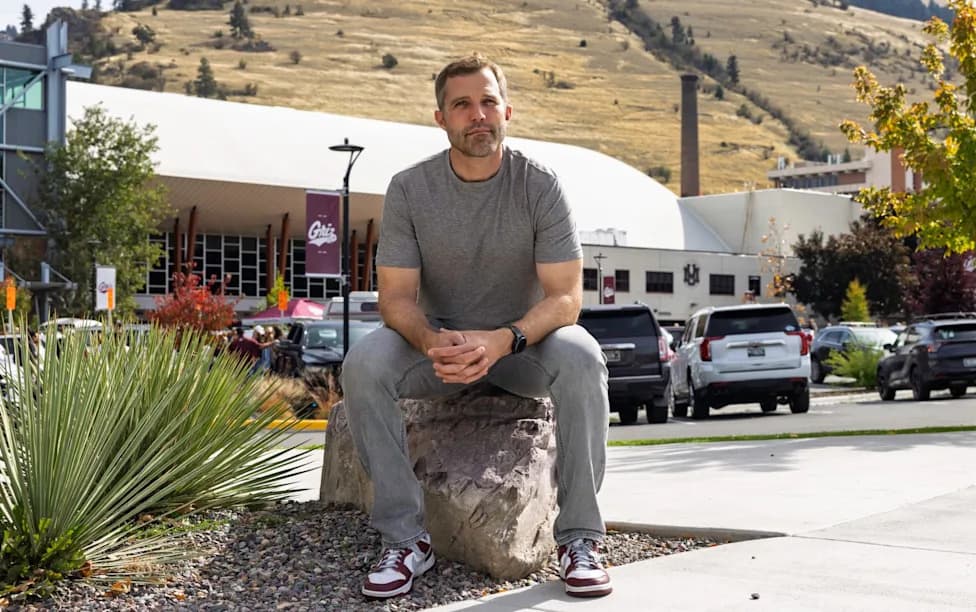
Seth Bodnar is hoping to upend the two party system in Montana by appealing to disillusioned voters - Christian Sawicki for The Telegraph
Why Independents See An Opening
Supporters argue that growing voter disillusionment with both major parties, demographic shifts and targeted organizational support have created a rare opportunity for independents this cycle. They point to a Republican Party reshaped by Donald Trump and a Democratic Party they say is increasingly aligned with its left wing as reasons some voters are ready to consider alternatives.
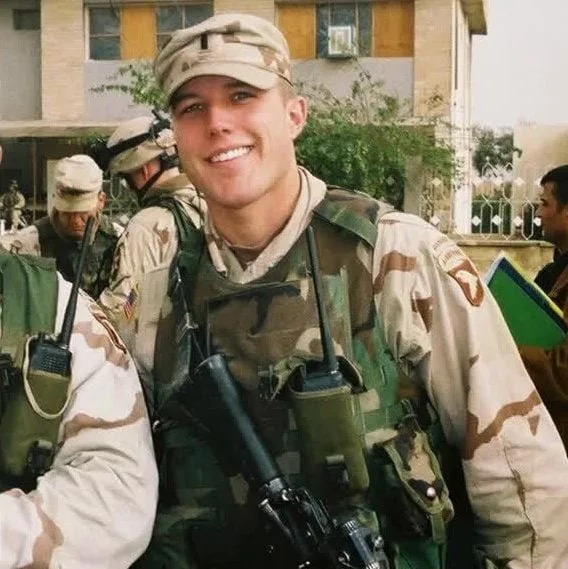
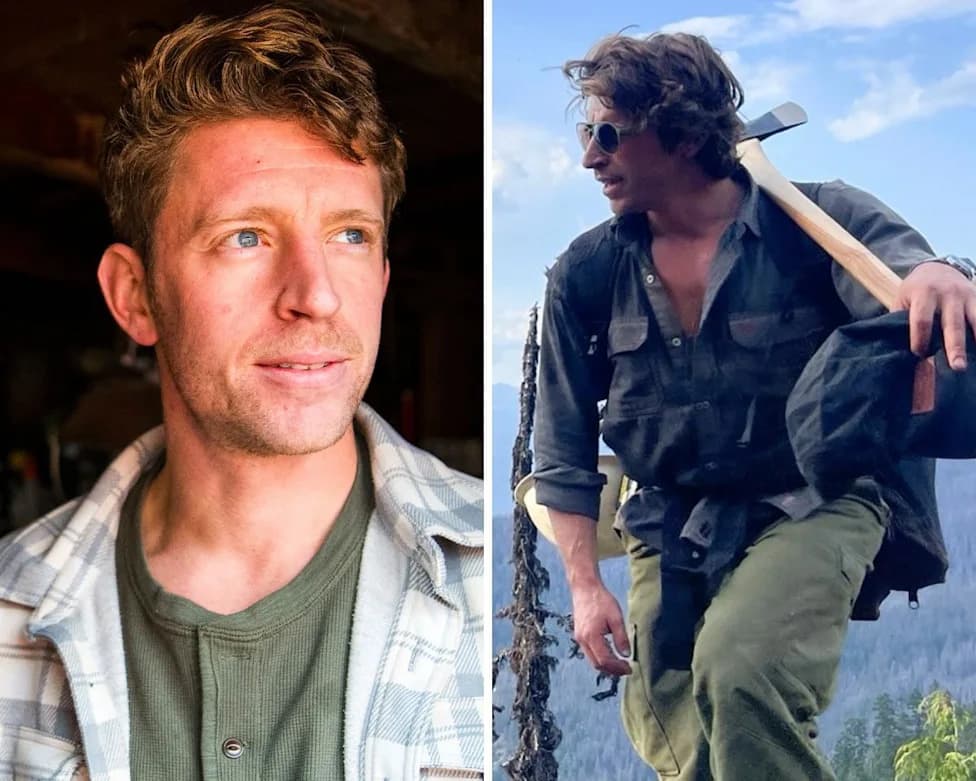
Mr Bodnar was commissioned in the US army as an infantry officer and served in Iraq with the 101st Airborne Division
Strategic moves in several states reflect that calculation: in Nebraska, Idaho and South Dakota, some Democratic campaigns have stepped back in Senate contests to consolidate anti-Trump votes around independent candidates. Organizers behind the independent effort say they have built a loose but growing coalition of donors, PACs and operatives to help bridge the gap independents normally face in infrastructure and fundraising.
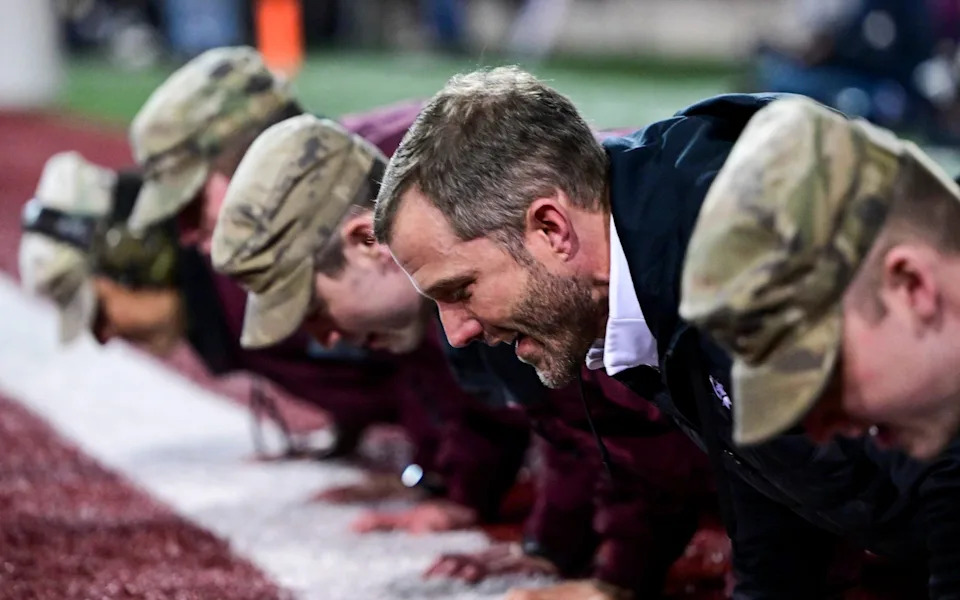
Mr Bodner does push-ups at Washington-Grizzly Stadium while University of Montana president - Tommy Martino/University of Montana
Funding, Organization And Candidates
Bodnar's campaign has reported spending about $2.26 million, with supportive outside groups spending roughly $2.7 million — a substantial war chest for an independent. By comparison, Republican nominee Kurt Alme has spent about $500,000 with roughly $2.45 million in outside support, while Democratic nominee Alani Bankhead has spent approximately $37,000 and has declined to withdraw from the race.
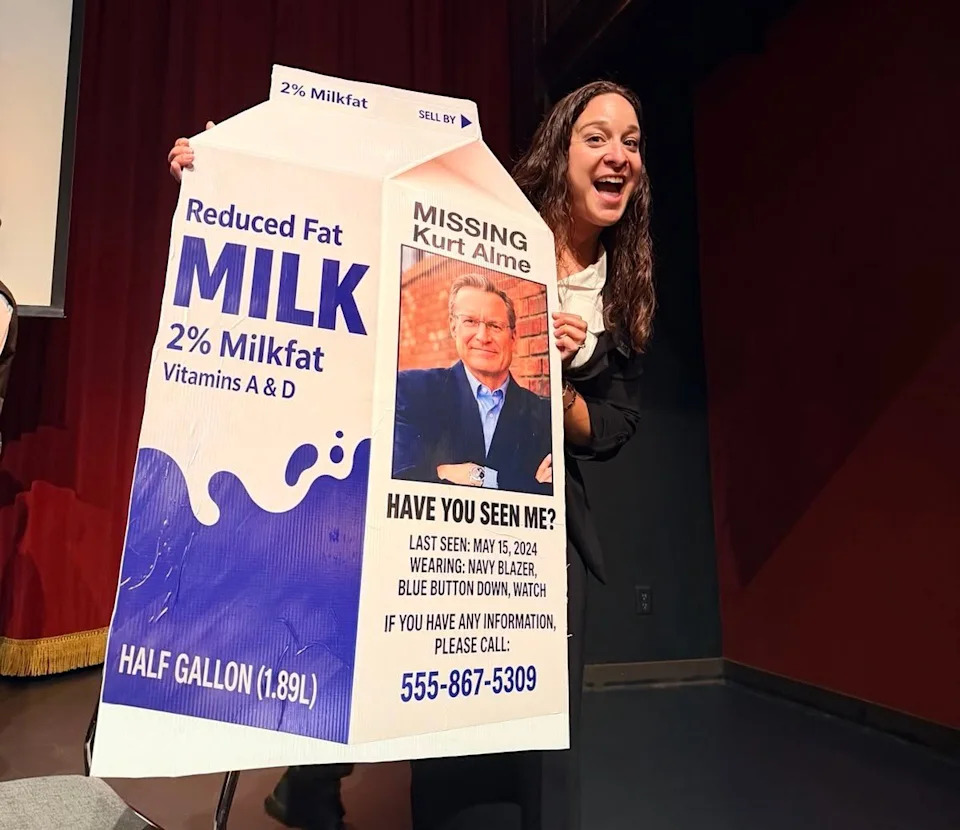
Alani Bankhead refused to quit the race to clear the field for independent Seth Bodnar to challenge Republican nominee Kurt Alme
The Independent PAC, linked to the Independent Centre, plans to invest at least $6 million in Montana. The broader slate of independent hopefuls this cycle tends to include former military officers and public servants — a profile backers believe helps sell a "country-before-party" message. Organizers say they even used AI tools to model the ideal candidate profile and then identify real contenders who fit it.
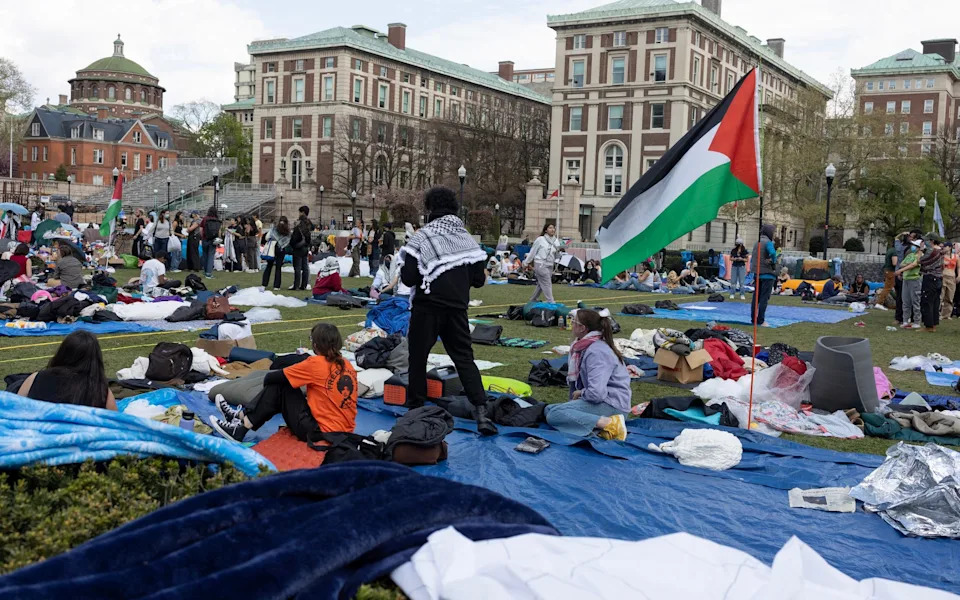
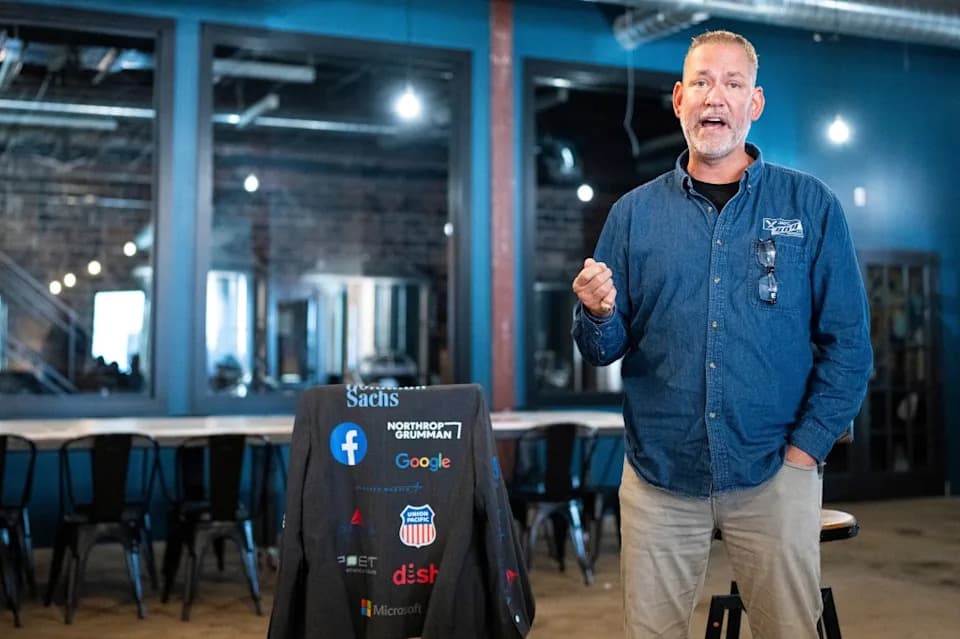
Campus hostility to Jewish students is a sign that the Left 'has gone too far,' says independent adviser Adam Brandon - Corbis/Getty/Andrew Lichtenstein
Campaign Tone And Strategy
Bodnar emphasizes civility and bipartisan problem-solving. In Washington, D.C., fundraising stops he described the core problem as a Washington-driven breakdown in the system: "You've seen this breakdown of the system, fuelled by toxic partisanship, that's really accelerated within the last two decades," he said. He argues Montanans share more common ground than national narratives suggest and that an independent option offers an "off-ramp" from polarized party politics.
His team acknowledges the structural disadvantages independents face — no built-in party machinery, potential for aggressive negative advertising from opponents, and the need to spend heavily to build name recognition in a statewide race — but counters that organized outside support and demographic trends can help close the gap.
The Stakes
Backers say winning even one high-profile seat would prove independents can win, govern and legislate — potentially reshaping the long-term partisan map. Polling cited by organizers indicates a large share of voters now identify as independent (about 45 percent), compared with roughly 27 percent for each major party — a statistic they argue underpins their strategy.
Still, success is uncertain. Resources remain stretched across multiple races, and the movement’s leaders acknowledge they must prioritize contests they believe are truly winnable. As one organizer put it, narrow losses can be devastating: a single close defeat could cost years of momentum and millions in donor confidence.
Whatever the outcome, Bodnar's campaign and the broader independent movement are testing whether a targeted combination of money, messaging and demographic change can overcome the structural hurdles that have long constrained independent candidates in U.S. elections.