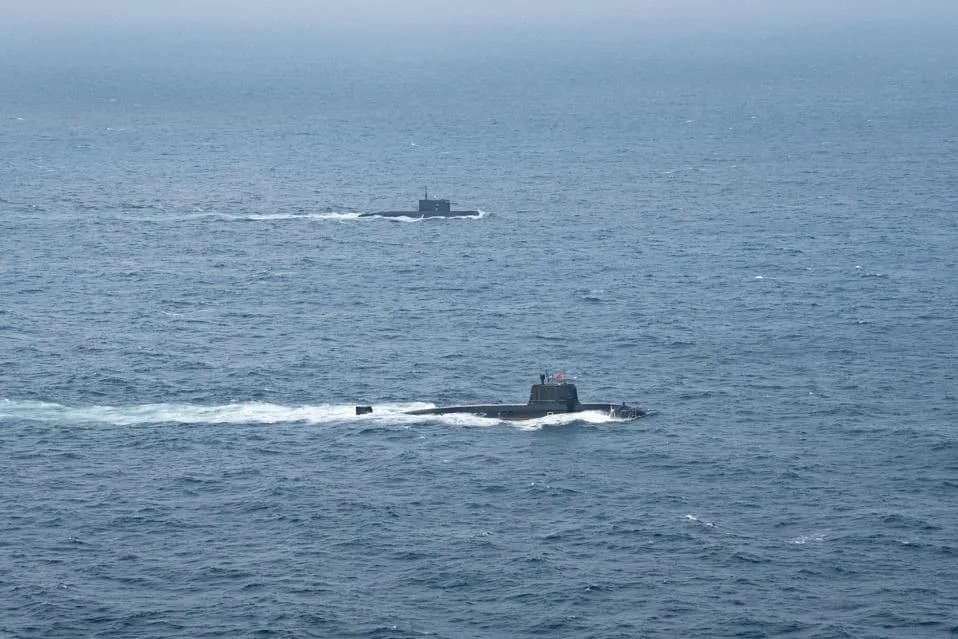
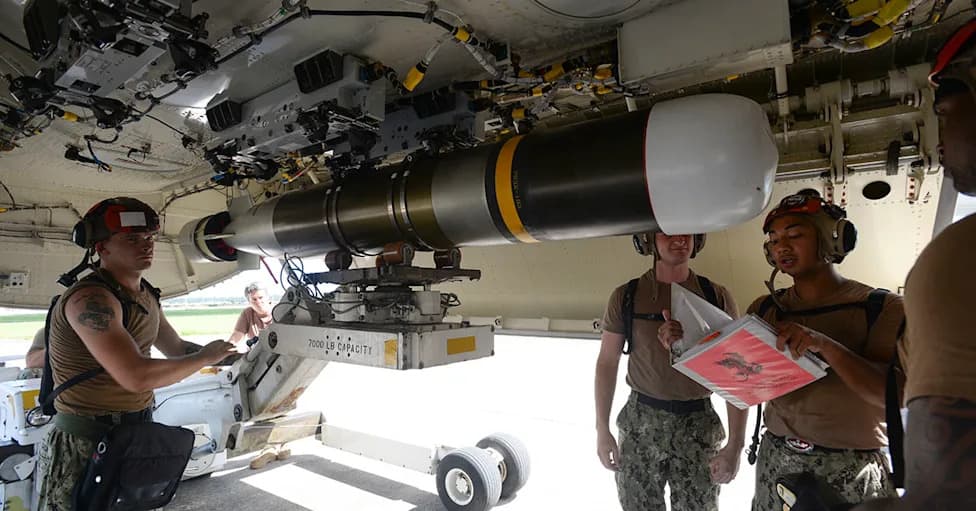
The U.S. Navy will convert 19 planned Virginia‑class attack submarines into guided‑missile SSGNs by adding an 84‑ft Virginia Payload Module that provides 28 extra vertical launch cells (40 total). The change expands distributed strike options — including Tomahawks and hypersonics — that can operate covertly inside the first island chain. Retiring Ohio‑class SSGNs will create a near‑term dip in missile capacity until Virginias arrive (first in 2029, last by ~2038), and analysts note tradeoffs in payload concentration and patrol endurance.
Why the US Navy Is Converting 19 Virginia‑Class Subs Into Guided‑Missile Boats — And What It Means Near China
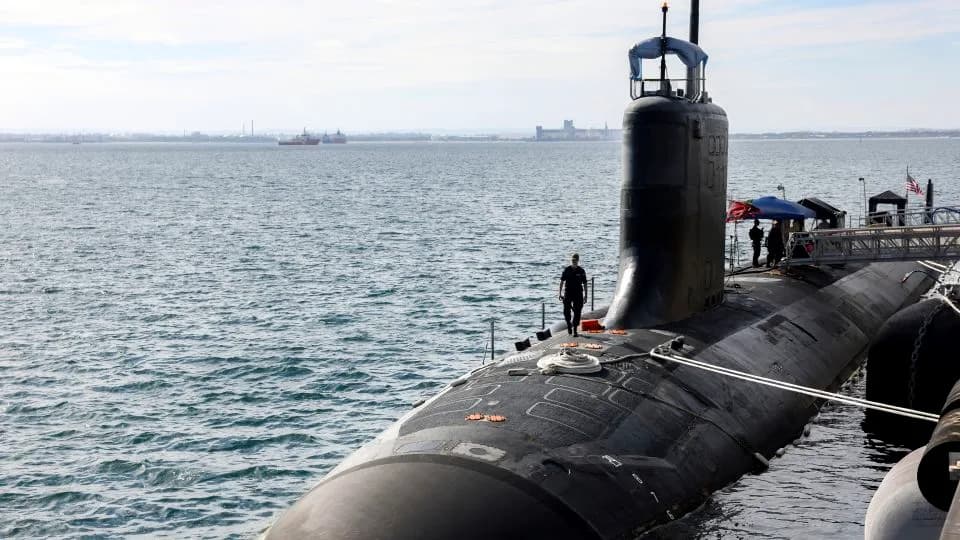
A US Navy officer walks on the Virginia-class fast-attack submarine USS Minnesota after the vessel docked at HMAS Stirling in Rockingham, Western Australia, during a visit on February 26, 2025. - Colin Murty/AP
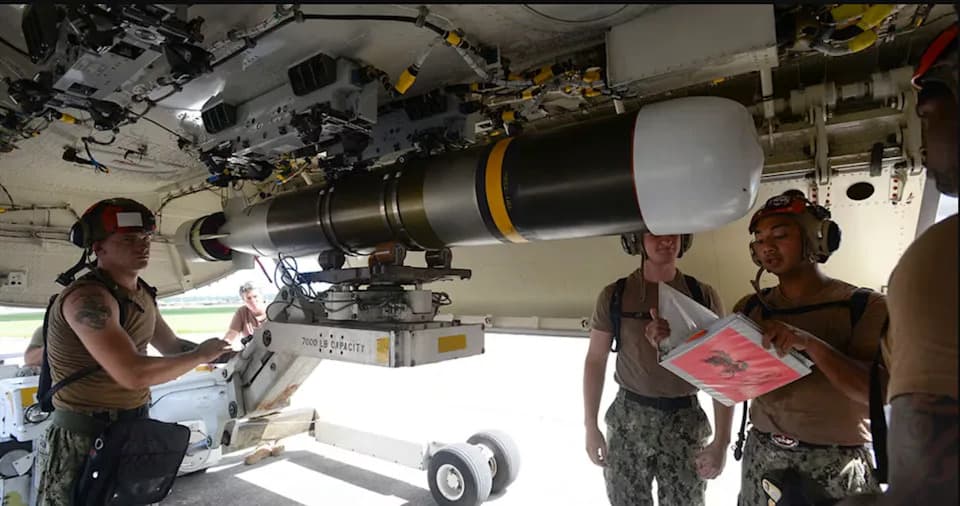
The U.S. Navy this week announced a major shift in its undersea force: 19 planned Virginia‑class attack submarines (SSNs) will be reclassified as guided‑missile submarines (SSGNs) and fitted with the Virginia Payload Module (VPM). The 84‑foot VPM section adds 28 vertical launch cells to the 12 on current Virginia variants, giving each modified boat a total of 40 missile cells that can carry Tomahawks and emerging hypersonic weapons.
What This Change Buys the Navy
Analysts say the conversion gives the Navy a more distributed conventional strike capability that can operate stealthily inside the so‑called first island chain — the island arc from Japan through Taiwan and the Philippines — where Chinese defenses are densest. Submarines can loiter covertly in forward areas and, when armed with high‑speed, maneuverable weapons, compress an adversary's reaction time.
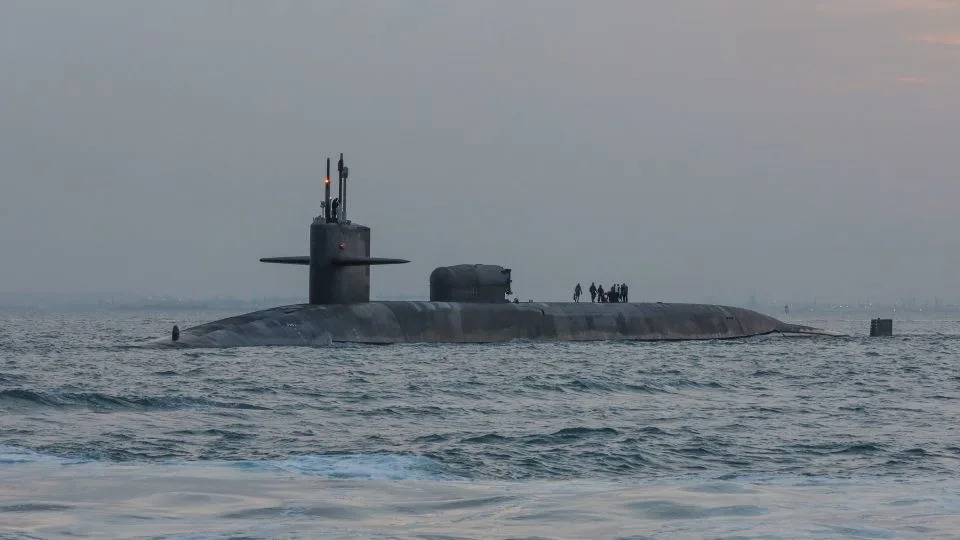
The guided-missile submarine USS Georgia transits the Persian Gulf, outbound from a sustainment and logistics visit in Manama, Bahrain, on December 27, 2020. - Spc. William Gore/US Navy/Reuters/File
"Submarines are one of the few capabilities which can loiter forward, near or within the first island chain in relative safety," said Sidharth Kaushal, senior fellow at the Royal United Services Institute (RUSI).
Short‑Term Gap And Long‑Term Plan
The announcement comes as the Navy is beginning to retire four Ohio‑class SSGNs. Those boats were converted from ballistic‑missile "boomer" submarines two decades ago and each could carry as many as 154 Tomahawks — a conventional strike capacity the Navy has long valued. The Submarine Industrial Base Council warned that retiring the Ohio SSGNs could reduce undersea strike capacity by as much as 60% before the Virginias arrive.
The first VPM‑equipped Virginia SSGNs are not expected to join the fleet until 2029, and the final boat from the planned 19‑sub block is not due until about 2038. That timeline means a likely near‑term dip in missile‑strike capacity, even though the current force still includes other Virginia variants, Los Angeles‑class attack submarines and Seawolf‑class boats that retain conventional strike options.
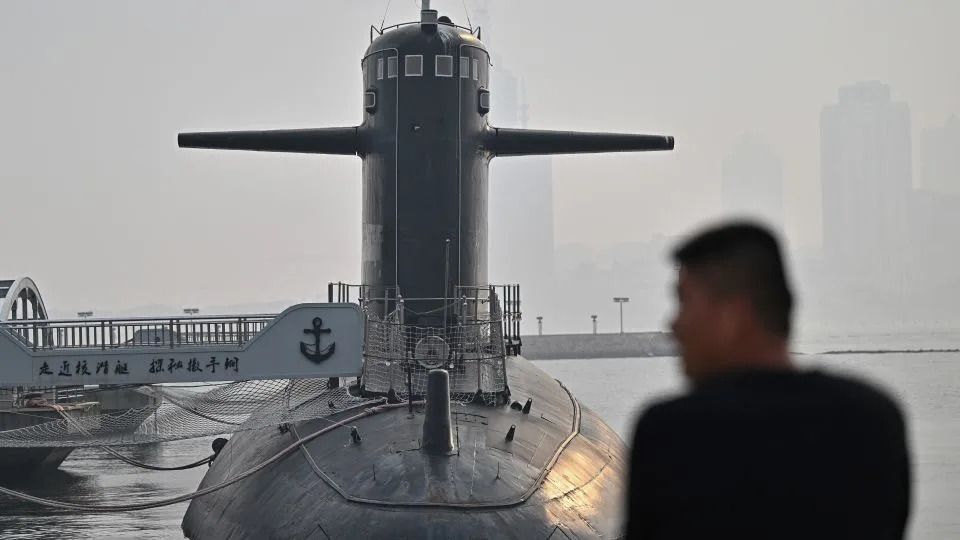
A man looks at a submarine during a media tour by the PLA Naval Museum, organized by the Chinese People's Liberation Army Navy (PLAN) in Qingdao, in eastern China's Shandong province on June 25, 2025. - Pedro Pardo/AFP/Getty Images
Tradeoffs And Operational Effects
There are clear tradeoffs. A single VPM‑equipped Virginia carries roughly 26% of an Ohio's missile load, so it would take about four Virginias to match one Ohio by raw missile numbers. Ohio boats also operated with two rotating crews, allowing substantially more time on patrol than a single‑crew Virginia.
But dispersing missiles across more platforms has tactical advantages: more launch platforms complicate enemy targeting, increase redundancy, and make it harder for an adversary to neutralize U.S. strike capacity in a single blow.
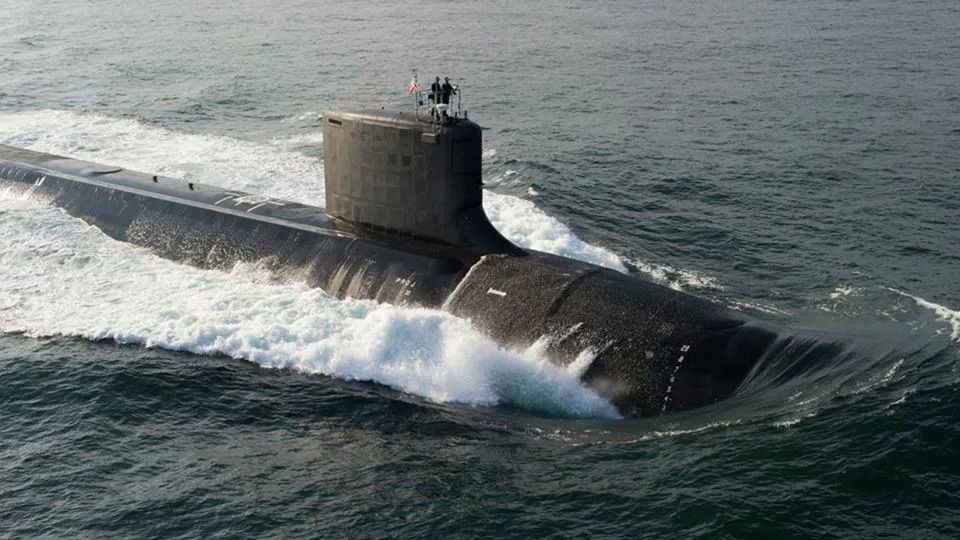
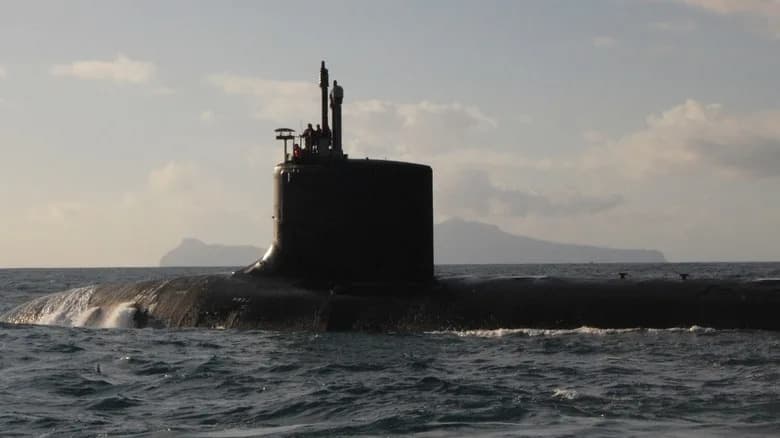
The Virginia-class USS North Dakota submarine is seen during bravo sea trials in the Atlantic Ocean, on August 18, 2013. - US Navy/Handout/Reuters
Strategic Context: China's Build‑Up
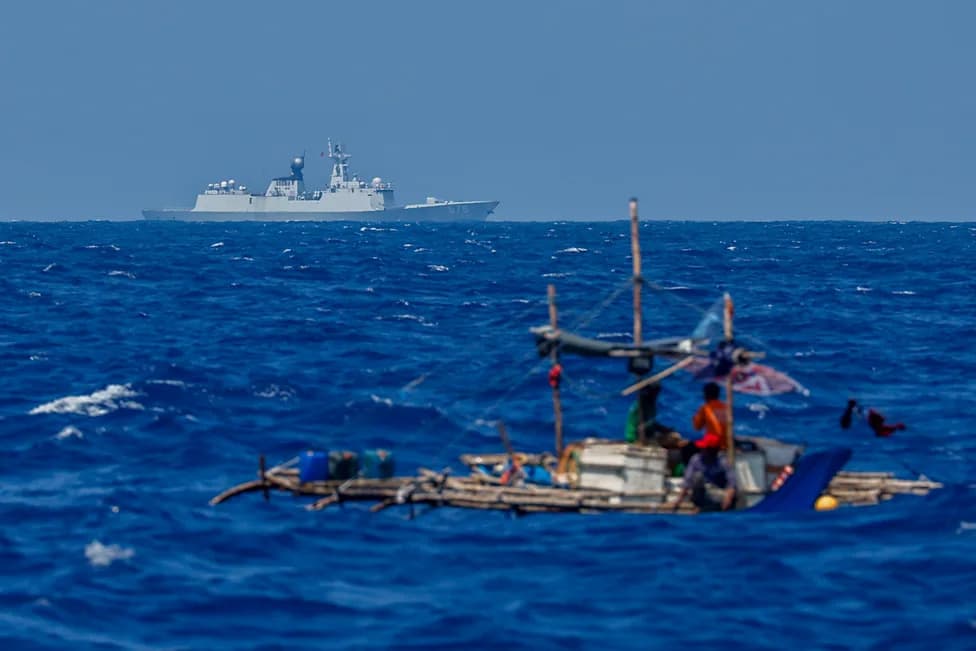
The move comes amid a sustained Chinese modernization campaign. An International Institute for Strategic Studies (IISS) report found that between 2021 and 2025 the PLA Navy launched more submarines (10) than the U.S. (7) and produced greater tonnage. The Pentagon estimated in late 2024 that China's rocket forces expanded their missile stocks by roughly 50% over the prior four years. Those trends — more submarines and more missiles — increase the challenge the U.S. must meet in any contingency in the Western Pacific.
Hypersonics, Undersea Warfare And Future Risks
Adding the ability to carry hypersonic vehicles gives the Virginias a qualitative boost: hypersonics are fast, maneuverable, and currently harder for many defenses to defeat. Testing of hypersonic glide vehicles is already underway, and analysts say submarine‑launched hypersonics could be particularly disruptive to an adversary's targeting cycle.
At the same time, China is developing its own advanced systems, including hypersonics and uncrewed undersea vehicles, which will complicate U.S. operations and demand continued adaptation.
Conclusion
The reclassification of 19 Virginias into guided‑missile submarines is a strategic bet: it sacrifices some concentrated payload capacity and some patrol time per boat in exchange for greater dispersion, survivability and new strike options — notably hypersonics — that could be decisive inside the first island chain. The Navy faces a near‑term capacity dip as Ohio SSGNs retire, but leaders argue the VPM‑equipped Virginias will restore and modernize undersea strike power over the next decade.
Key dates and figures: 19 Virginias reclassified; VPM adds 28 cells to the existing 12 (40 total); first VPM Virginias expected 2029; last expected ~2038; Ohio SSGNs carried up to 154 Tomahawks each; retirement could cut strike capacity up to 60% in the near term.
Help us improve.