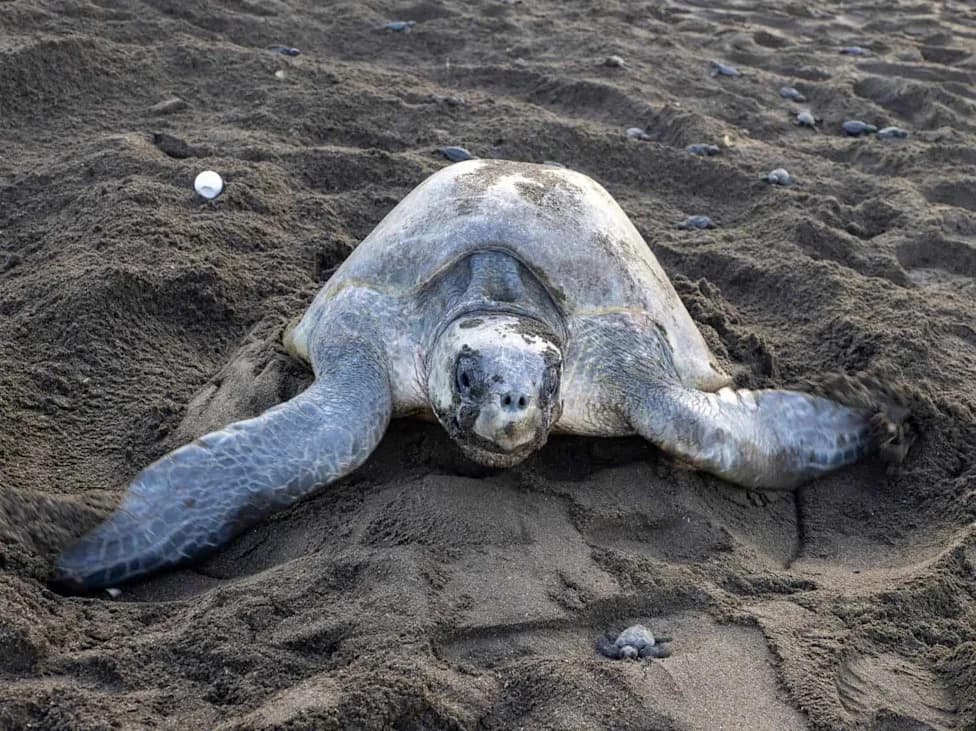
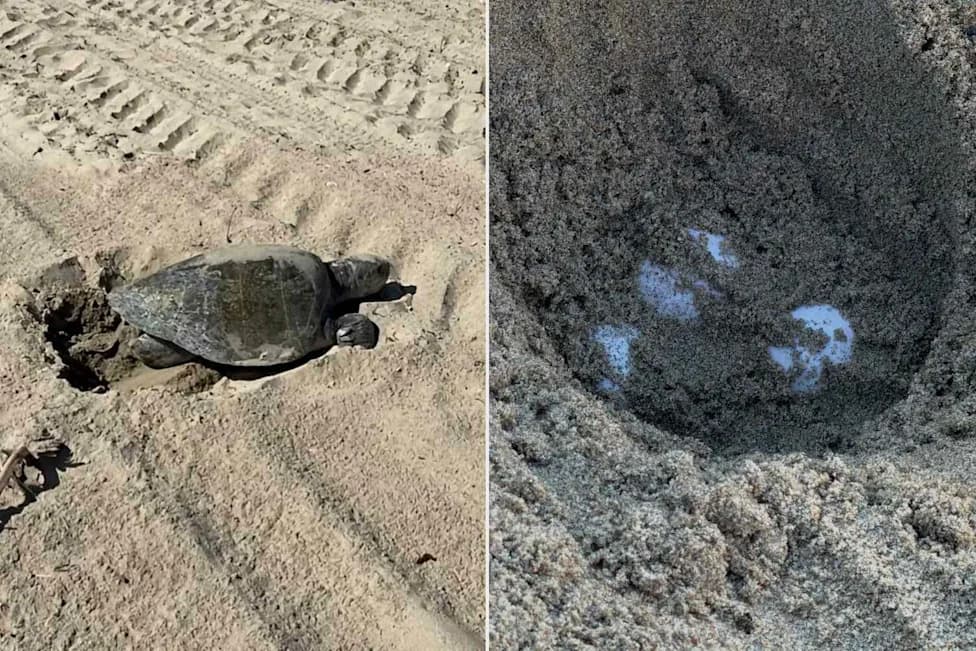
Kiawah Island volunteers have recorded 498 loggerhead sea turtle nests as of Aug. 6 — more than double the 199 nests documented in 2025 — making this one of the island’s busiest seasons in years. Nearby Cape Romain reported nearly 3,400 nests, prompting calls that 2026 is a remarkable nesting season. More than 300 volunteers under an S.C. DNR permit patrol and protect nests, and officials removed two coyotes after they killed three nesting females. Residents are urged to turn off beachfront lights and avoid flashlights to help hatchlings reach the ocean.
Kiawah Island Records 498 Loggerhead Nests As Volunteers Mark One Of Its Busiest Seasons
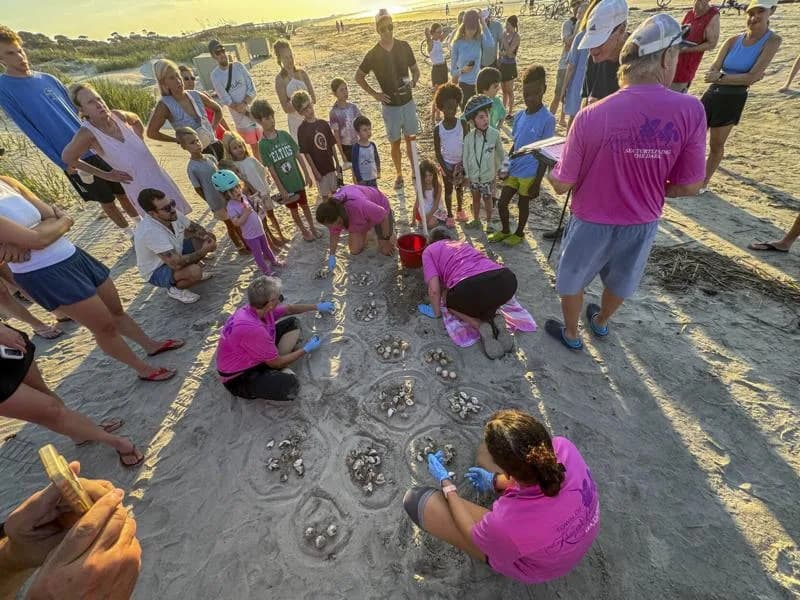
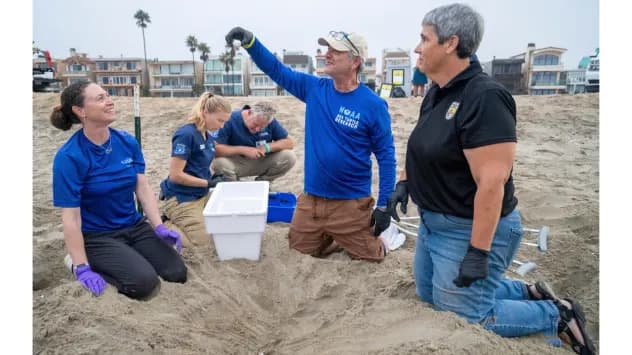
Members of Kiawah Island's volunteer turtle patrol takes inventory of sea turtle eggs at a nest. Neal Kinard/Town of Kiawah Island/Provided
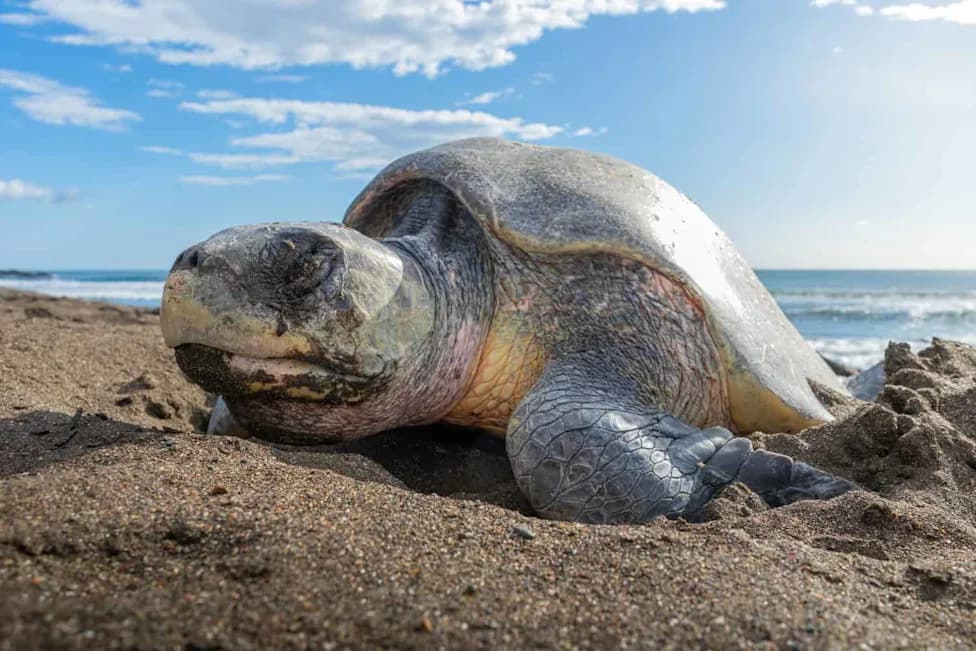
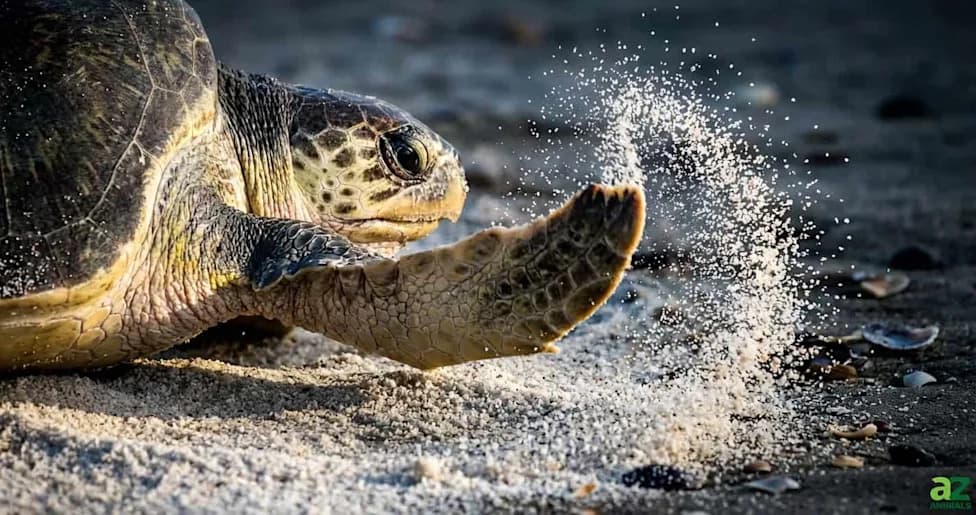
Kiawah Island, near Charleston, is experiencing one of its most active sea turtle nesting seasons in years. As of Aug. 6, the Kiawah Turtle Patrol had documented 498 loggerhead sea turtle nests — more than double the 199 nests recorded on the island in 2025.
Record Numbers and Regional Context
Volunteer permit holder Lynne Sager said nesting totals naturally fluctuate because individual loggerheads return to nest only every few years. Kiawah’s previous high was 574 nests in 2019, and this year’s surge has volunteers both busy and optimistic.
Up the coast, the Cape Romain National Wildlife Refuge reported nearly 3,400 loggerhead nests across Cape, Lighthouse and Bulls islands as of late July. That figure, compared with roughly 1,600 nests last season, led Coastal Expeditions to call the 2026 season "one of the most remarkable nesting seasons on record."
Volunteer Effort And How Nests Are Protected
The Kiawah Turtle Patrol is a nonprofit made up of more than 300 volunteers who operate under a permit from the South Carolina Department of Natural Resources. Volunteers are organized into two teams: a nesting team that drives the length of the beach to locate and mark nests, and a hatching team that walks a one-mile stretch each day to monitor nest status.
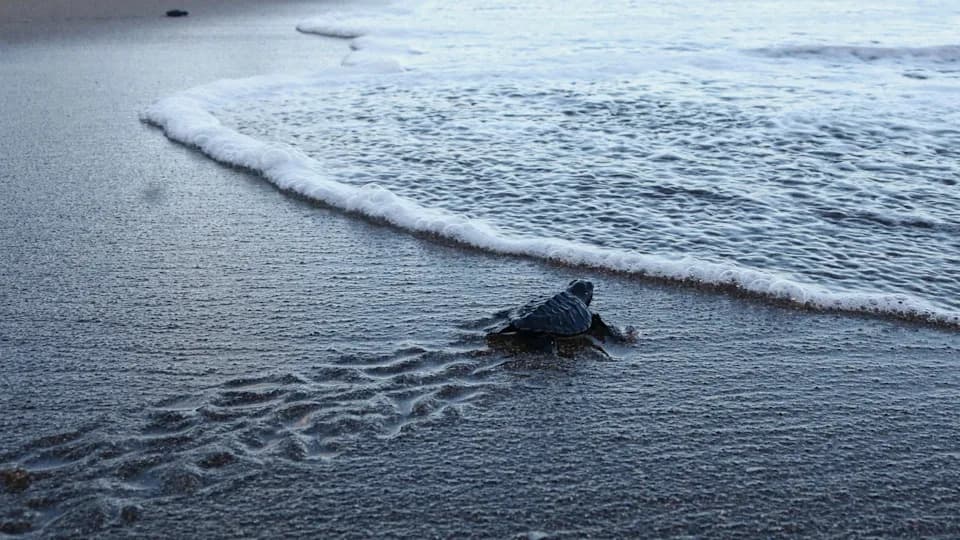
Teams check nests daily until hatchlings emerge. After a three-day assessment period following emergence, volunteers inventory each nest and coordinate public hatchling releases. Sager said releases are a community highlight: "That’s when the public gets very excited, and we generally enlist them to help us chase away birds so the hatchlings can reach the water safely."
Predation, Management And How You Can Help
This summer, Kiawah officials and the S.C. Department of Natural Resources removed two coyotes after the animals killed three nesting female loggerheads. Coyotes commonly prey on eggs, but attacks on nesting mothers had not been previously documented on the island, town wildlife director Jim Jordan said. Sager noted coyotes often reach nests the night females lay eggs, before crews can secure sites with protective screens.
Volunteers urge residents and visitors to follow simple best practices that help hatchlings find the ocean: turn off beachfront lights, avoid using flashlights on the sand, and minimize beach disturbance at night. Bright artificial lights disorient hatchlings and can exhaust them by drawing them away from the water.
What To Remember: Hundreds of volunteers are working to protect nearly 500 nests on Kiawah this year, and regional totals suggest a strong loggerhead season across nearby barrier islands. Small actions by beachgoers can make a big difference for the tiny turtles making their first journey to the sea.
Help us improve.