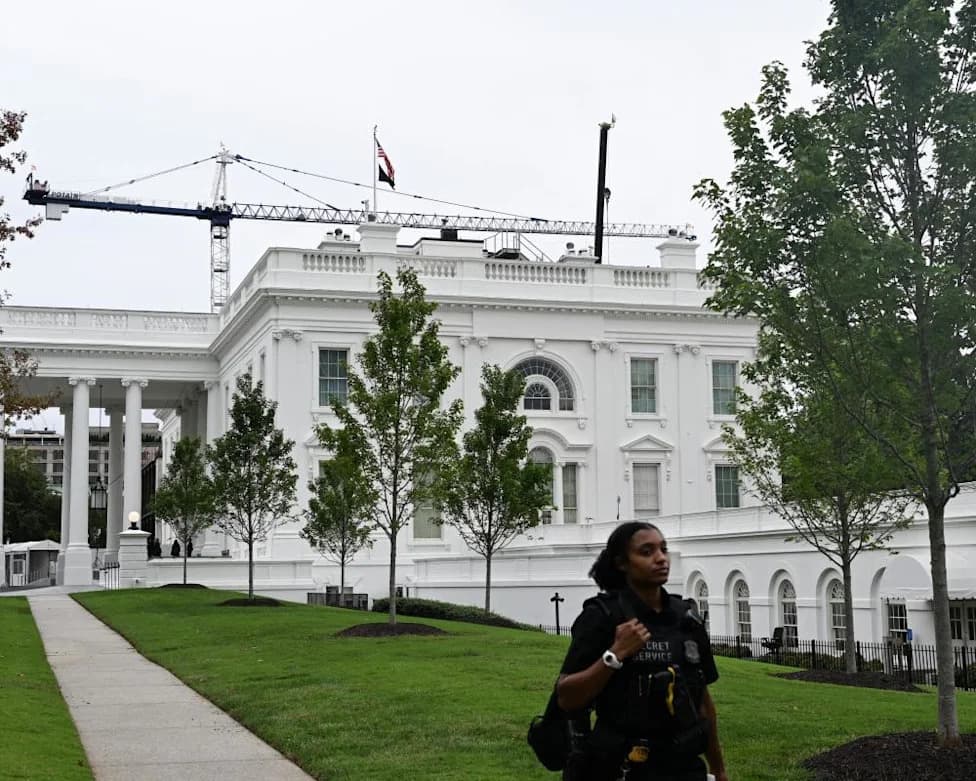
Xavier Becerra has avoided unscripted media interactions for nearly two months, prompting criticism that he’s distancing himself from voters. Critics liken the approach to earlier campaigns that favored controlled events over spontaneous press availability. Persistent questions from his time in Washington — including the fate of roughly 130,000 migrant children and questions about a trusted aide’s transfer — remain unresolved. While avoiding the press may reduce short-term risks, it can also weaken a candidate’s public mandate.
Becerra’s Silence Sparks Scrutiny: Avoiding Reporters and Unanswered Questions in the Governor’s Race
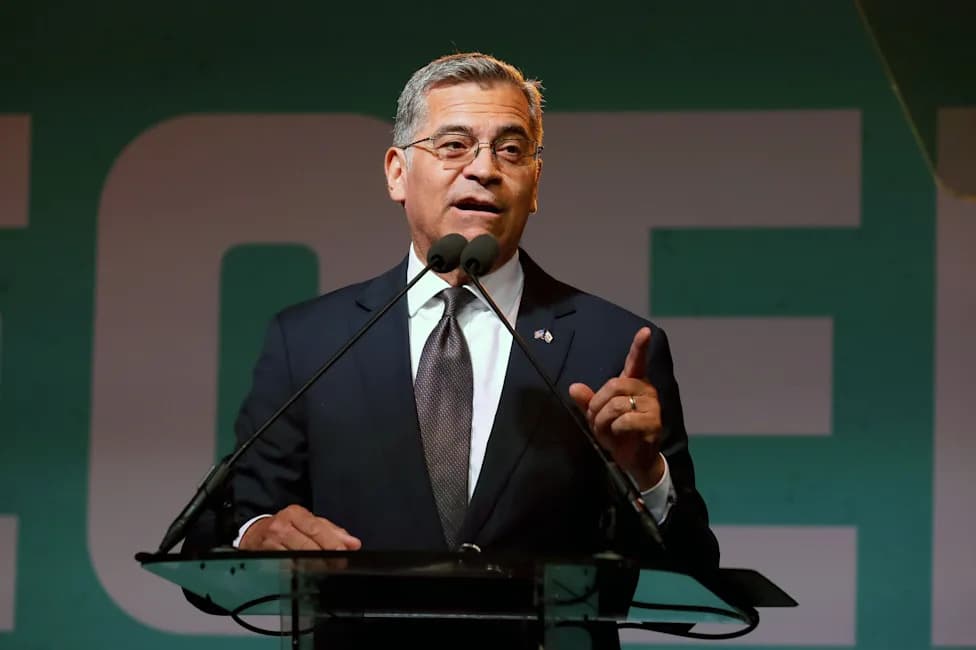
The Xavier Becerra for Governor Election Night Party is held at La Plaza de Cultura y Artes in Los Angeles, California, on Tuesday, June 2, 2026. (David Buchan)
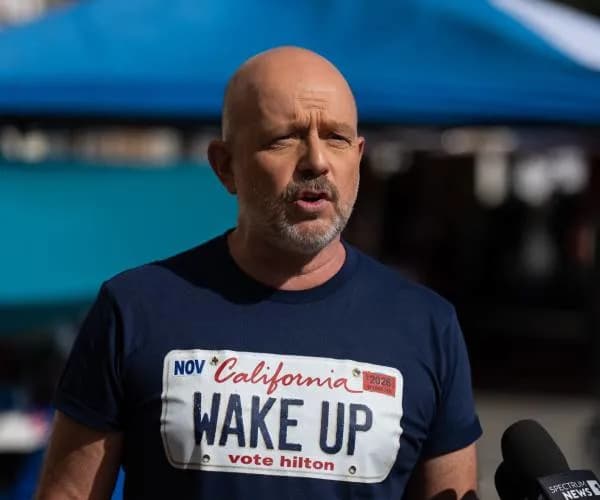
Xavier Becerra, a leading candidate for California governor, has not faced unscripted questions from reporters in nearly two months. That pattern of limited media access has drawn criticism and raised concerns about how he plans to engage voters if elected.
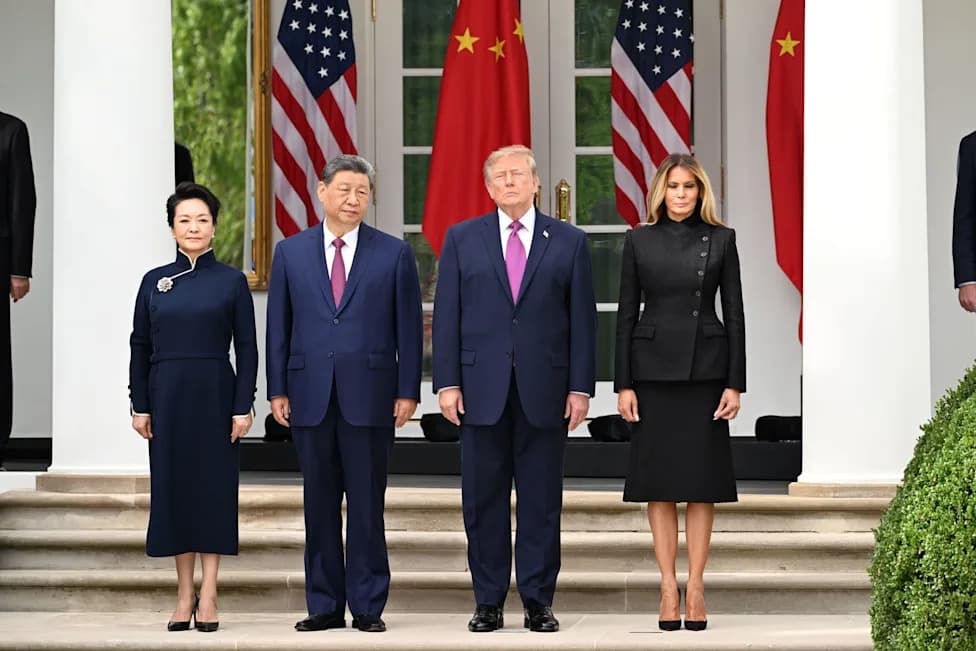
Critics compare his reticence to how some national figures approached campaigning in recent years—favoring controlled events and selective interactions over spontaneous press availability. Supporters argue this is a strategic choice in a state with a strong Democratic registration advantage; opponents say it amounts to treating voters with contempt.
Behind the closed doors
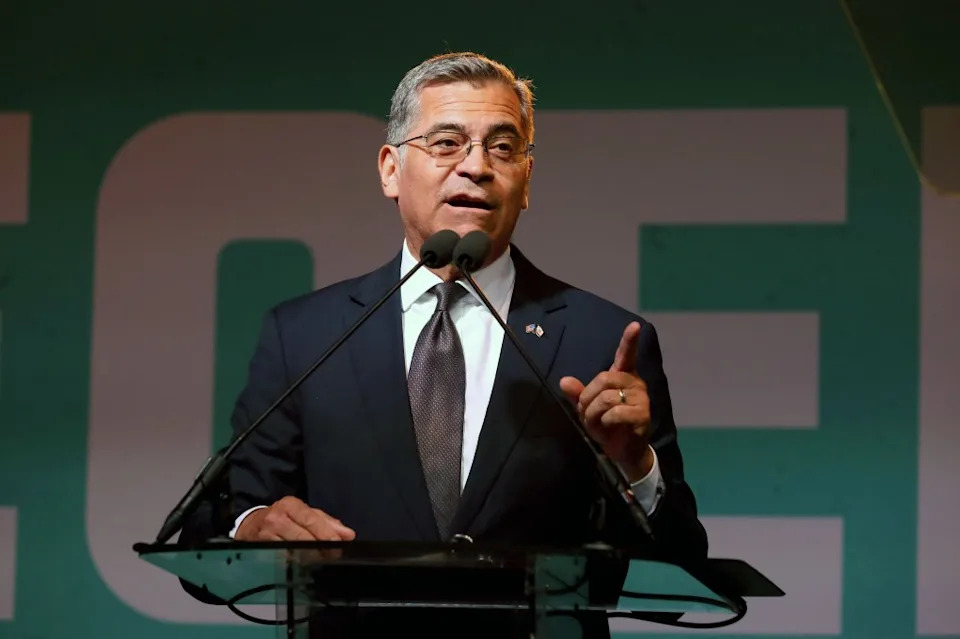
The Xavier Becerra for Governor Election Night Party is held at La Plaza de Cultura y Artes in Los Angeles, California, on Tuesday, June 2, 2026. (David Buchan) David Buchan for Ca Post
Instead of frequent open press encounters, Becerra has been meeting privately with political advisers, labor leaders and interest groups. Those meetings are helping shape campaign priorities before ballots are even mailed, a tactic that some observers see as prudent and others view as distancing the candidate from ordinary voters.
"In a healthy democracy, candidates make themselves accessible to the media and to voters," said one critic. "Avoiding unscripted encounters undermines public accountability."
Why it matters
Silence can help avoid gaffes, but it can also leave important questions unanswered and weaken a candidate’s claim to a robust public mandate. For Becerra, the stakes are heightened by unresolved issues tied to his tenure in Washington.
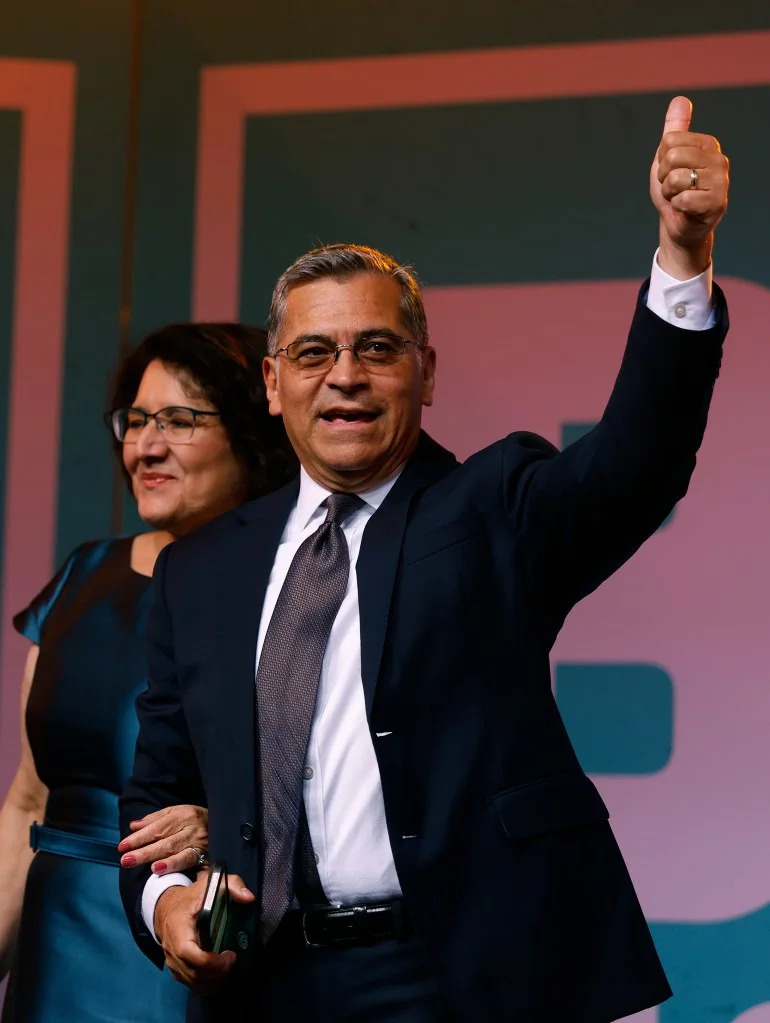
No doubt there are political consultants in his ear, telling him: Don't talk to the media. There's only downside. You've got this in the bag. Getty Images
Migrant children: Journalists and watchdogs continue to ask what became of roughly 130,000 migrant children who were tracked and later released into the country during federal operations—questions tied to federal recordkeeping and oversight.
Staffing and ethics concerns: Reporters have queried how much Becerra knew about arrangements that enabled a trusted aide to move to Washington, and whether proper procedures were followed.
These questions aren’t likely to disappear simply because the candidate declines to answer them in public forums. Voters and the press generally expect transparency from those seeking high public office.
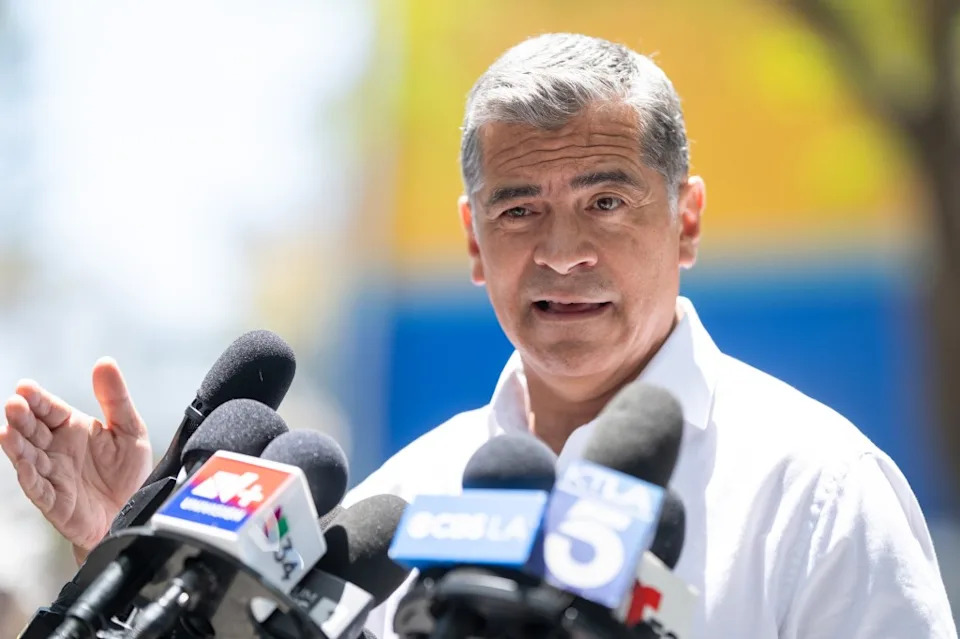
That's especially the case for Becerra, who has some lingering questions from his time in Washington. MediaNews Group via Getty Images
Looking ahead
Winning an election while avoiding unscripted scrutiny is possible, especially in strongly partisan states. But many political analysts warn that election victories coupled with limited public engagement can produce a narrower mandate for consequential policy decisions.
Ultimately, the campaign will face a choice between continuing tightly managed communications or increasing openness to reporters and voters as Election Day approaches.
Help us improve.