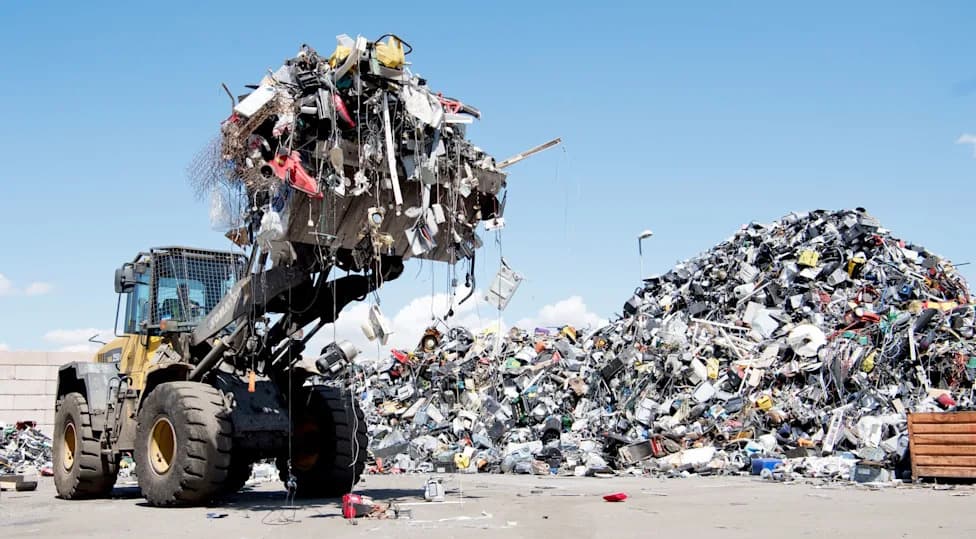
Malaysia implemented a full ban on e-waste imports effective April 1, 2026, after a July 7 Port Klang fire revealed a container misdeclared as tin ore contained burned electronic waste. Inspections under Op Green Shield examined 685 containers between January 26 and July 7; 143 containers (about 3,057 metric tons) have been returned and 531 more are scheduled for repatriation. Authorities warn falsified shipping documents are a common tactic, and officials caution shipments may be rerouted to other countries, highlighting the need for stronger international cooperation.
Malaysia Bans All E-Waste Imports After Port Klang Blaze Exposes Falsified Manifests
Photo Credit: iStock
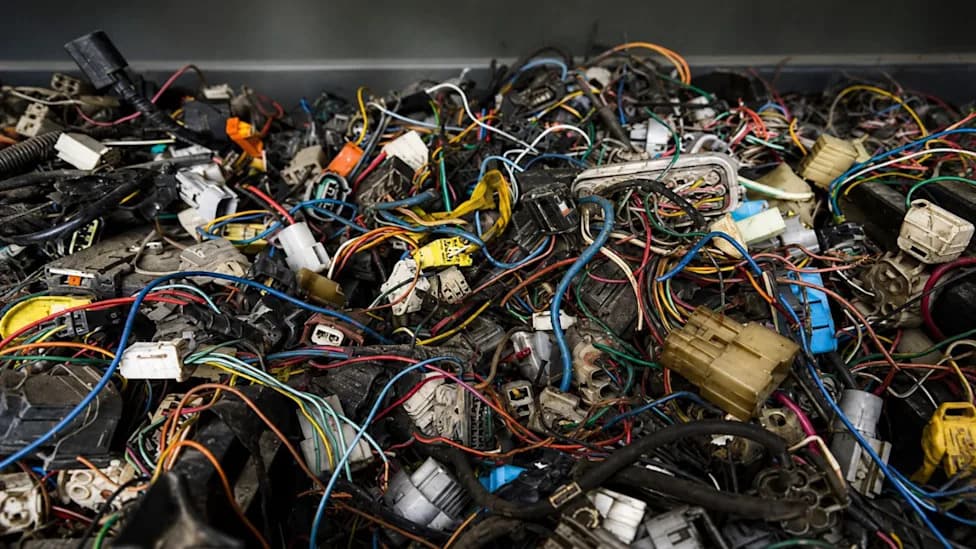
On July 7 at Port Klang, a container declared on its paperwork as carrying tin ore caught fire. When officials opened the charred unit, they found burned electronic waste — a discovery authorities say highlights a common tactic in the illicit global waste trade: falsified shipping documents used to disguise hazardous consignments.
What Happened
Malaysia implemented a full ban on e-waste imports that took effect April 1, 2026, aiming to protect communities from pollution and to give legitimate, cleaner recyclers room to grow. The Port Klang blaze is among several incidents that prompted stricter enforcement: authorities and watchdogs say hazardous loads are sometimes misdeclared as ordinary raw materials, such as tin ore, to slip past customs and reach unregulated processing sites.
Enforcement And Scale
Under an initiative called Op Green Shield, enforcement teams inspected 685 containers between January 26 and July 7. Of those, 143 containers — holding roughly 3,057 metric tons of e-waste — have been returned to their countries of origin, and officials say 531 more containers are scheduled to be repatriated in stages.
Screening every container is a major logistical challenge: between January and May 2026, Port Klang processed nearly 6.4 million twenty-foot-equivalent units (TEU), a throughput that makes thorough manual checks difficult and increases reliance on intelligence-led inspections.
Health, Industry And Global Flows
Illegal e-waste processing can expose nearby residents to toxic smoke, heavy metals and chemical residues when electronics and plastics are burned without safeguards. Local resident Tan Yu Jinh described the nighttime pollution near his home:
"It doesn't smell like regular open burning. It almost smells like burnt plastic."He added, "Sometimes I feel like I can't breathe."
A Basel Action Network investigation estimated that U.S. brokers were exporting about 1,949 e-waste containers per month, with Malaysia frequently listed as a destination. That pattern feeds a global stream of electronic waste that reached about 62 million metric tons in 2022, of which less than one-quarter was documented as properly collected and recycled.
Industry figures warn that imported, pre-sorted e-waste can give illicit or semi-legitimate operators a competitive edge over licensed recyclers. Mohamed Tarek El-Fatatry, who runs the local facility ERTH, said illegal processors often destroy whole devices in furnaces to recover small volumes of valuable materials:
"Illegals will put a whole router into the furnace with the plastic because otherwise they will just end up with tons of plastic."
Ongoing Risks And Responses
Critics of import bans say restrictions can push waste flows to other countries or drive them further underground. Authorities and watchdogs already report diversions to destinations such as the United Arab Emirates, India, Pakistan, Indonesia and the Philippines, sometimes via indirect routes. Officials say sustained enforcement, better international cooperation and stronger documentation checks will be needed to disrupt the illicit trade and protect public health.
Key takeaways: falsified manifests are being used to smuggle hazardous e-waste; Malaysia has enacted a full import ban effective April 1, 2026; enforcement has intercepted hundreds of containers but faces major screening challenges amid massive port throughput.
Help us improve.