The Osborne Reef project sank more than 2 million tires off Fort Lauderdale in the early 1970s to create artificial reef habitat. The tire bundles failed to attract marine life, and when bindings deteriorated many tires floated free and damaged nearby natural coral. Cleanup has been slow and costly—by 2009 roughly 72,000 tires were recovered, Florida DEP reports over 500,000 removed to date, and contractors expect about 1 million recovered by 2033—while the failure influenced stricter, more effective reef-building practices.
What Happened to the 2 Million Tires Sunk Off Florida in the 1970s? The Osborne Reef Disaster and Its Legacy
2 Million Tires Were Sunk Off Florida In The ‘70s. What Are They Doing Now?
In the early 1970s Florida, a well-intentioned but ill-fated experiment aimed to jumpstart coral and fish habitat by dumping worn-out tires on the seafloor. The project—later known as Osborne Reef—would become a cautionary tale in marine restoration, prompting changes in how artificial reefs are designed and deployed.
A Brief History Of Artificial Reefs
Artificial reefs are not a new idea. Civilizations have altered coastlines and seafloors for millennia to protect harbors or encourage fisheries: the Romans piled stone at Lilybaeum around 250 BCE, Persians blocked the Tigris mouth to deter pirates, Filipino fishers used floating aggregating devices, and in 18th-century Japan rubble was placed to encourage kelp. In the United States, early-19th-century fishermen deployed logs off South Carolina to improve catches. With industrialisation, people tried using discarded materials—some successful, others not.
The Osborne Reef Project
Under the nonprofit Broward Artificial Reef Incorporated (BARINC) and led by Florida Atlantic University ocean engineering professor Ray McAllister, the Osborne Reef project set out to create habitat off Fort Lauderdale by sinking bundled scrap tires. Approved by the U.S. Army Corps of Engineers, the effort used the retired minesweeper USS Thrush and more than 100 private vessels to deposit well over 2 million tires across an area roughly equivalent to 31 soccer fields.
At the time, industry and some local leaders endorsed the idea. A 1972 Goodyear press release praised scrap tires’ potential to "provide a haven for fish and other aquatic species." The concept was simple: add structure to a largely flat seafloor so marine life could colonize.
Failure and Environmental Harm
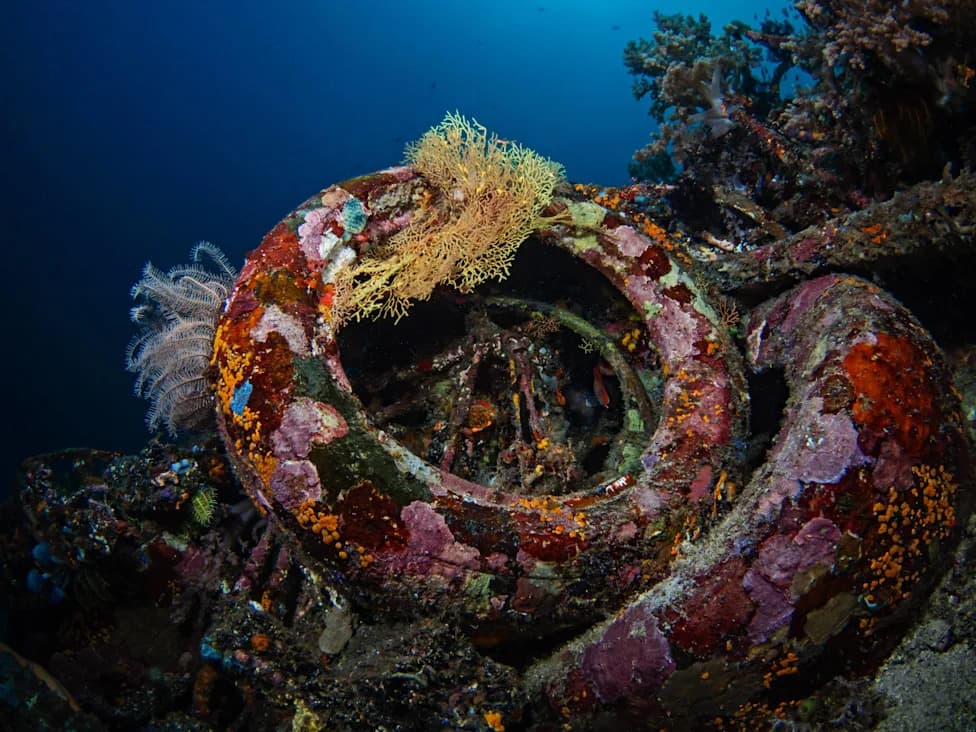
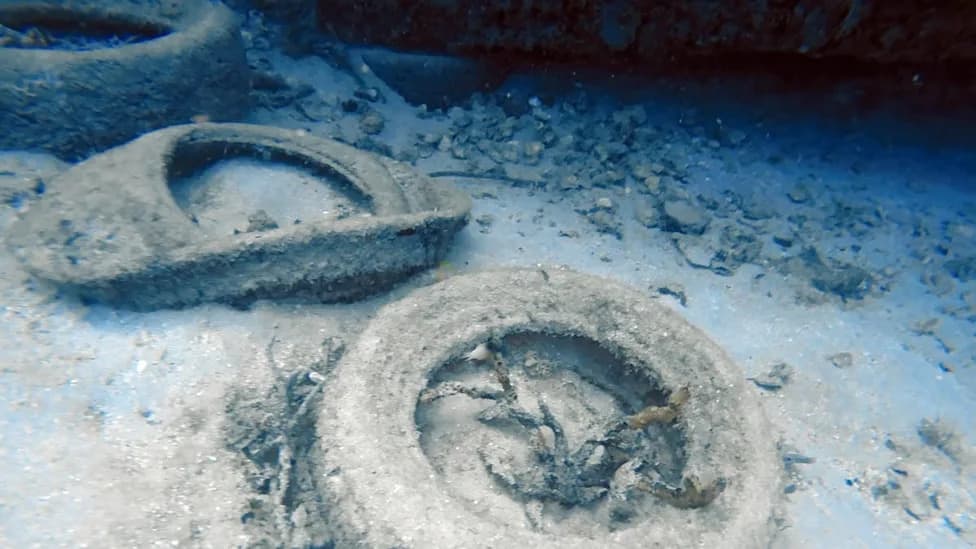
Decades later, the plan is widely regarded as a failure. The rubber surfaces did not attract substantial marine growth, and the tire bundles—held together with steel and nylon—began to break down. As bindings failed, tires floated free and were carried by currents, eventually becoming lodged against nearby natural coral reefs. When the problem first came to public attention around 2007, federal environmental adviser William Nuckols described the site to CBS News as "a constantly killing coral destruction machine." Thousands of tires were found smothering corals and killing marine life where they piled up.
"The really good idea was to provide habitat for marine critters so we could double or triple marine life in the area," Ray McAllister later admitted. "It just didn't work that way. I look back now and see it was a bad idea."
Cleanup Efforts And Costs
Cleanup has been slow, expensive and ongoing. Then-Governor Charlie Crist proposed an initial recovery budget of $2 million, which was later increased to $3.4 million. By 2009, the U.S. Navy, Army and Coast Guard reported recovering roughly 72,000 tires. Florida’s Department of Environmental Protection (DEP) now reports that more than half a million tires have been removed, assisted by contracts reportedly worth about $5 million. Private contractor Schlueter Vessel Management & Consulting has said it expects to retrieve just under 1 million tires—roughly half of the original total—by 2033, though other estimates suggest full remediation could require more decades and tens of millions of dollars.
Lessons Learned And Lasting Impact
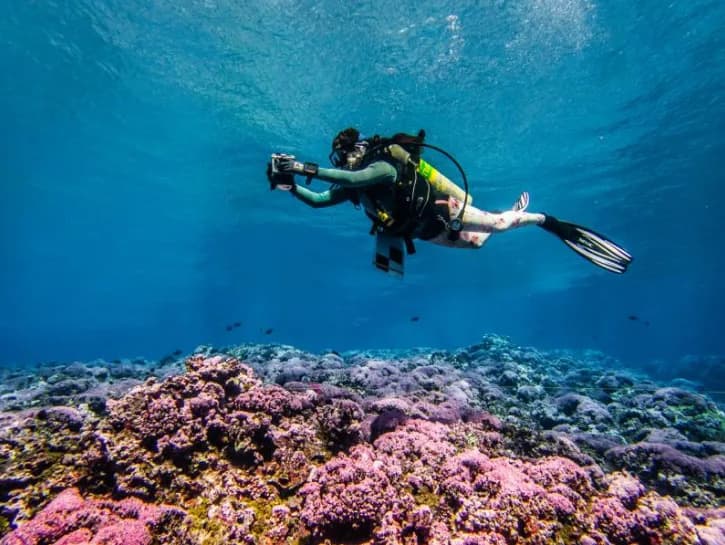
Despite the environmental damage, the Osborne Reef episode reshaped reef-building practice. Marine managers and engineers now favor purpose-built structures—engineered concrete modules, designed reef balls, and retired ships—over ad hoc use of scrap materials such as tires. Those improved approaches have produced durable habitat that supports fisheries, dive tourism and recreation.
Osborne Reef stands as a reminder that good intentions must be matched by long-term ecological understanding, testing and monitoring. What looked like an inexpensive green solution in the 1970s later proved costly for ecosystems and taxpayers—and spurred more rigorous standards for restoring and enhancing marine habitat.
Help us improve.