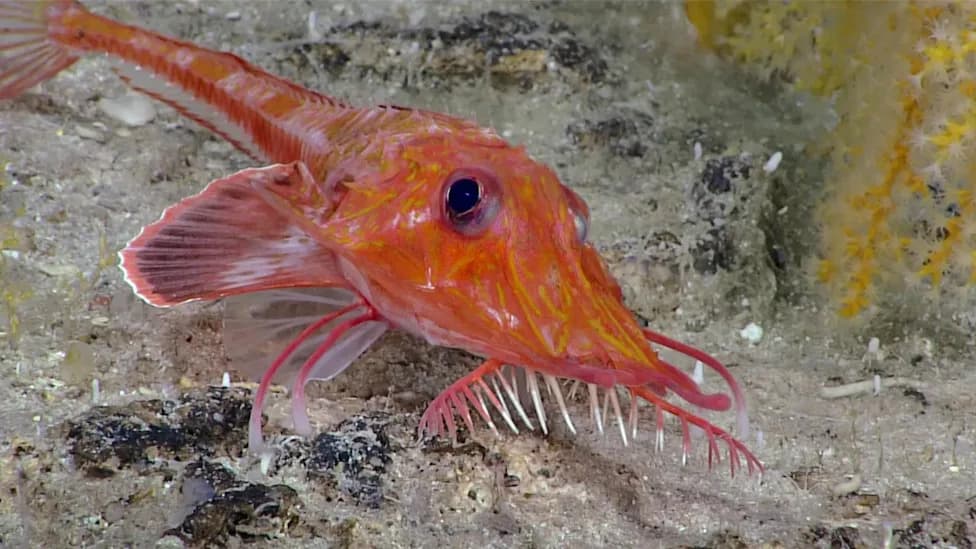
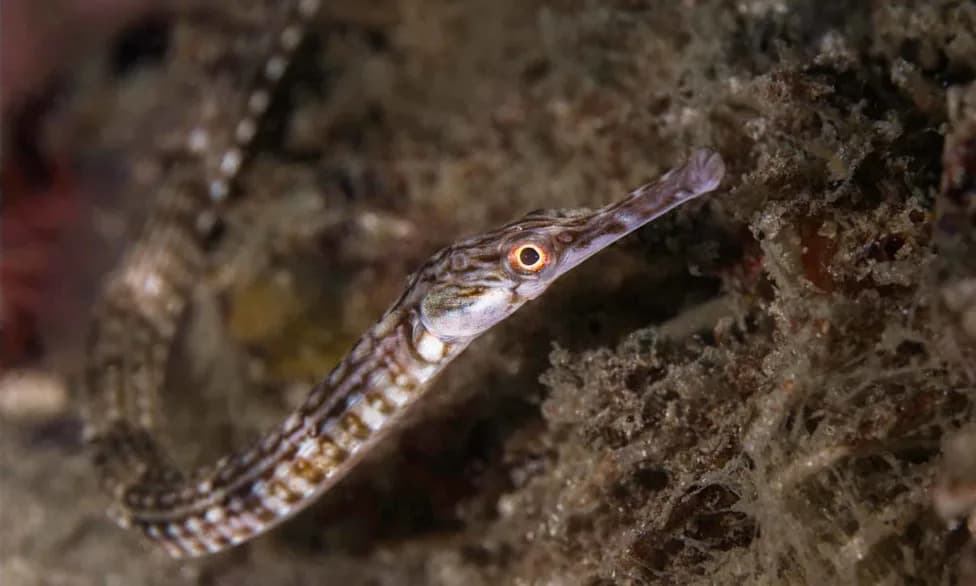
The red handfish — a thumb-sized fish that uses broad pectoral fins to "walk" rather than swim — is the 18,000th species added to Joel Sartore’s Photo Ark. Sartore announced the milestone on Instagram, highlighting that fewer than 250 individuals remain in the wild. The species faces threats from habitat loss, pollution, climate pressures and human disturbance, and conservation actions must prioritize habitat protection, pollution reduction and limiting human impacts.
Tiny 'Walking' Fish Becomes Photo Ark's 18,000th Species — Fewer Than 250 Remain
Photo Credit: iStock
The red handfish — a thumb-sized species that "walks" across the seafloor using broad, hand-like pectoral fins instead of swimming — has been named the 18,000th species documented in Joel Sartore’s Photo Ark.
"Did someone say 18k?!? I'm thrilled to announce the 18,000th species to join the Photo Ark — the red handfish,"Sartore announced on Instagram, noting the fish is "no bigger than my thumb."
Why this matters: Sartore says there are fewer than 250 red handfish left in the wild, making them one of the rarest fish species on Earth. Their tiny populations and limited mobility leave them especially vulnerable to environmental change and human impacts.
Threats and Conservation Priorities
According to the Photo Ark announcement, recovery of the red handfish is constrained by shrinking habitat, pollution, climate pressures, and human disturbance. Protecting this species requires a mix of on-the-ground habitat protection, pollution reduction, limits on disruptive human activities, and broader action to address climate change.
The Photo Ark serves as a visual conservation record: by photographing thousands of species, it raises public awareness and supports efforts to protect vulnerable animals and their habitats.
What can be done: safeguard remaining habitat, reduce contamination, minimize human disturbance in sensitive areas, and support climate resilience measures that benefit coastal and marine ecosystems.
Help us improve.