The Great Lakes’ lake sturgeon may live much longer than previously thought: new models based on 44 years of mark–recapture and growth data suggest some females could reach about 427 years. Researchers inferred age by relating annual growth rates to fish size rather than identifying an individual of that age. These findings greatly exceed earlier 150-year estimates and highlight urgent conservation needs, since fewer than 1% of the historic population remains and females mature late in life.
Living Dinosaurs: Great Lakes Sturgeon May Live Up to 427 Years, New Study Finds
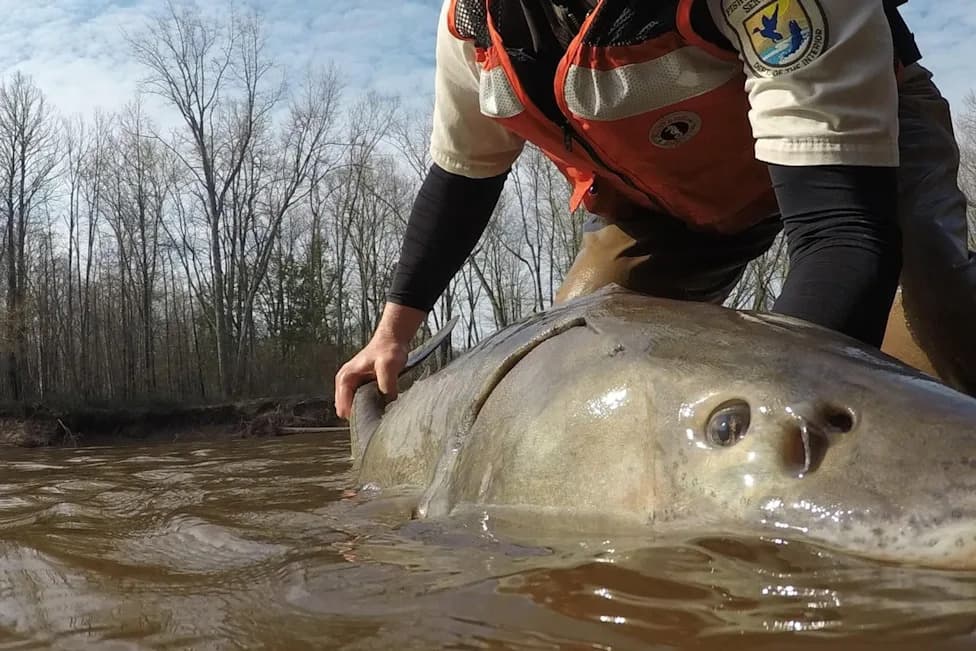
Some fish swimming in the Great Lakes could be upward of 400 years old, new study finds
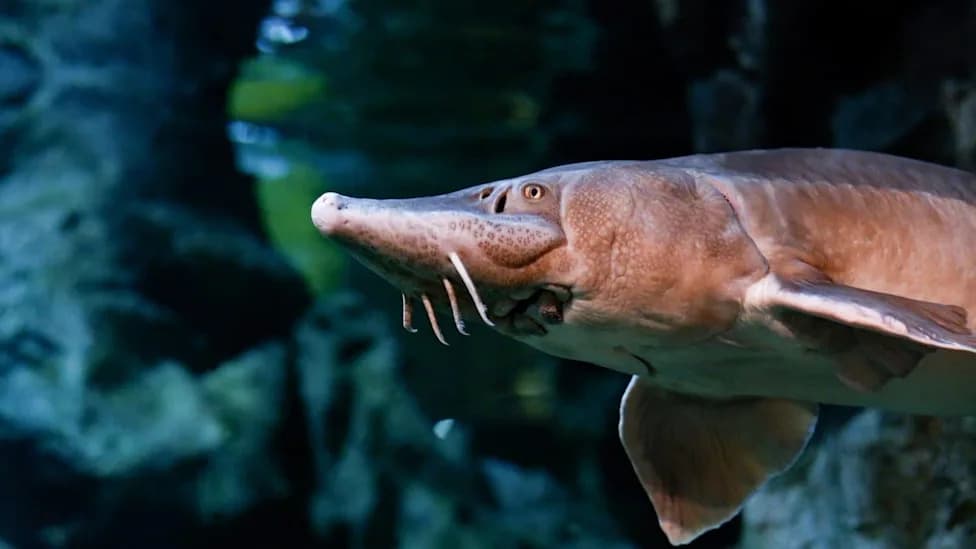
Some lake sturgeon in the Great Lakes may live far longer than scientists once believed. A multi-decade analysis by researchers in Michigan and Wisconsin suggests that some female lake sturgeon could reach ages as high as 427 years — longevity approaching that of Greenland sharks, the longest-lived vertebrates known.
How the Researchers Estimated Age
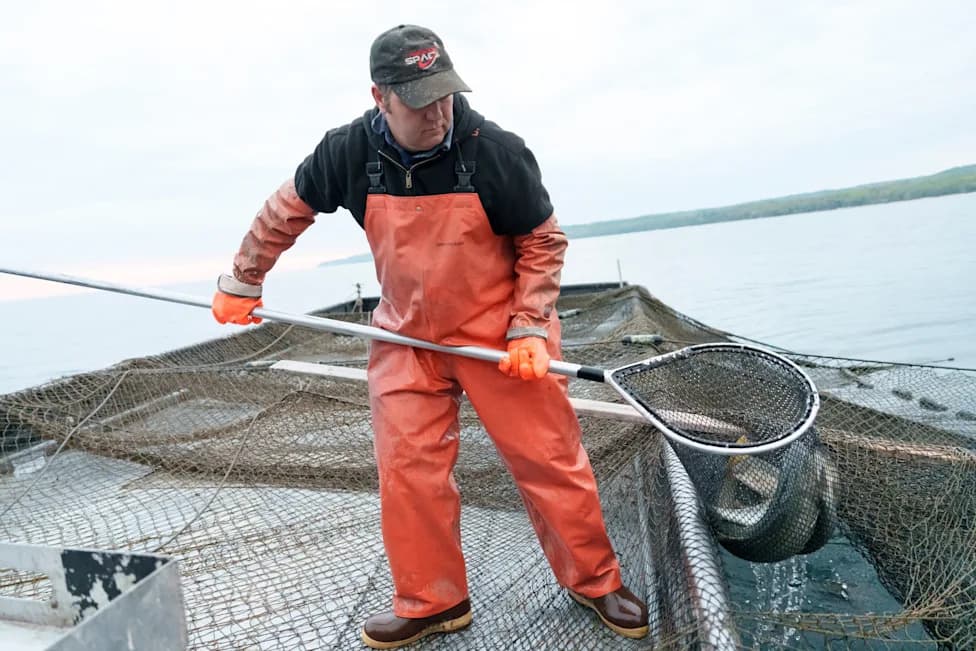
The team did not capture a verified 400-year-old fish. Instead, they analyzed 44 years of mark–recapture and size-measurement data from five lake sturgeon populations to model growth and infer longevity. Scientists caught fish, recorded sex and length, tagged and released individuals, then used later recaptures to track growth rates over time.
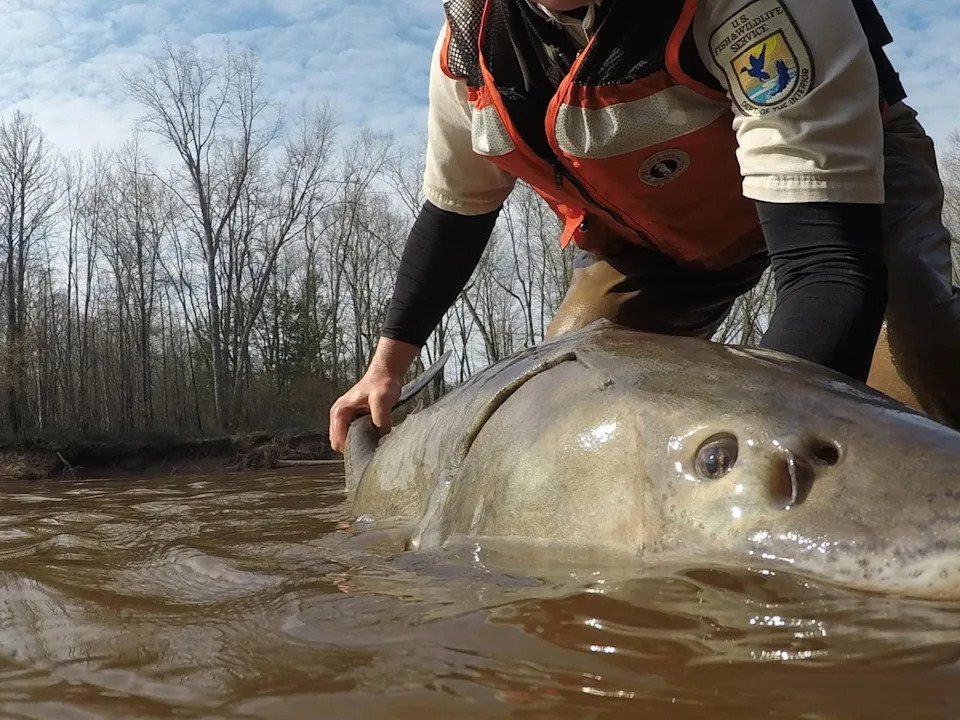
This lake sturgeon was discovered during fish sampling on the Bad River in Wisconsin. Wisconsin and Michigan researchers say the species may be a lot older than previously believed (USFWS)
Because many fish grow continuously throughout life, those repeated measurements allowed researchers to answer: if a sturgeon grows X centimeters per year, how long would it take to reach a given size? From those growth–size relationships they derived age estimates for different sized individuals.
Key Findings
The models indicate that males about 63 inches long likely live roughly 90–279 years, while larger females around 71 inches could live roughly 99–427 years. These estimates greatly exceed earlier studies that placed a practical upper bound near 150 years.
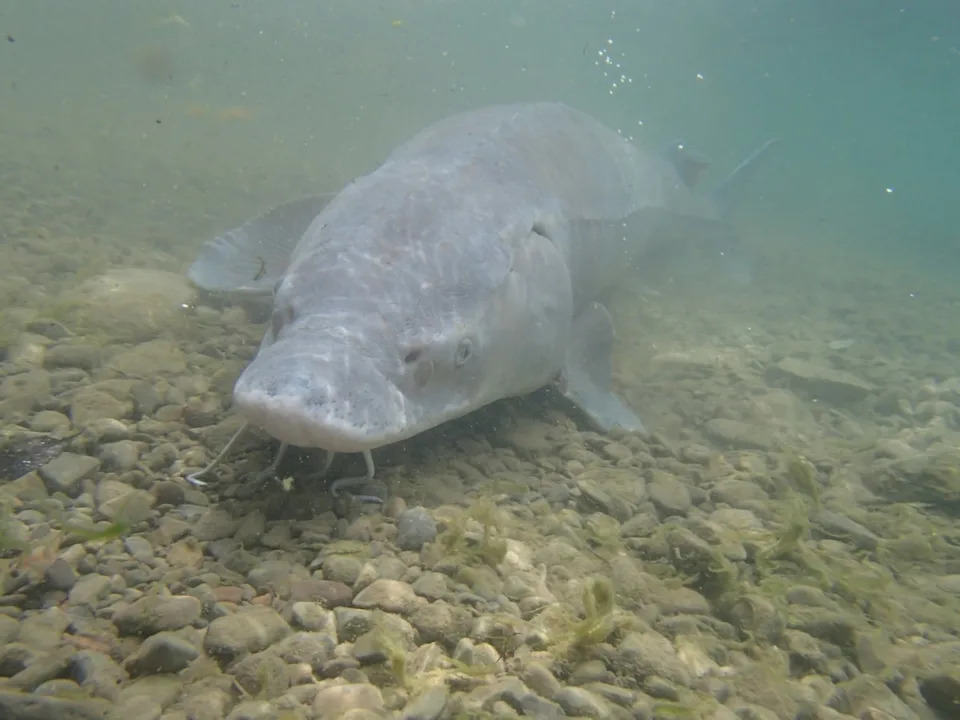
Lake sturgeon can weigh up to 300 pounds and reach more than 70 inches long (USFWS)
"We’ve concluded that sturgeon live far longer lives than initially thought based on looking at growth rings and fin ray cross sections," said Edward Baker, manager of the Michigan DNR’s Marquette Research Station.
Why This Matters for Conservation
Lake sturgeon are among North America’s largest freshwater fish, often weighing 200–300 pounds and exceeding 70 inches in length. They mature slowly—females typically do not reproduce until age 15–25—which makes populations vulnerable to overharvest and slow to recover.
Historically, more than two million lake sturgeon inhabited the Great Lakes; researchers now estimate fewer than 1% of that historic population remains. The species was nearly extirpated by commercial fishing in the late 1800s and continues to face threats from pollution, habitat fragmentation from dams and other infrastructure, and climate change.
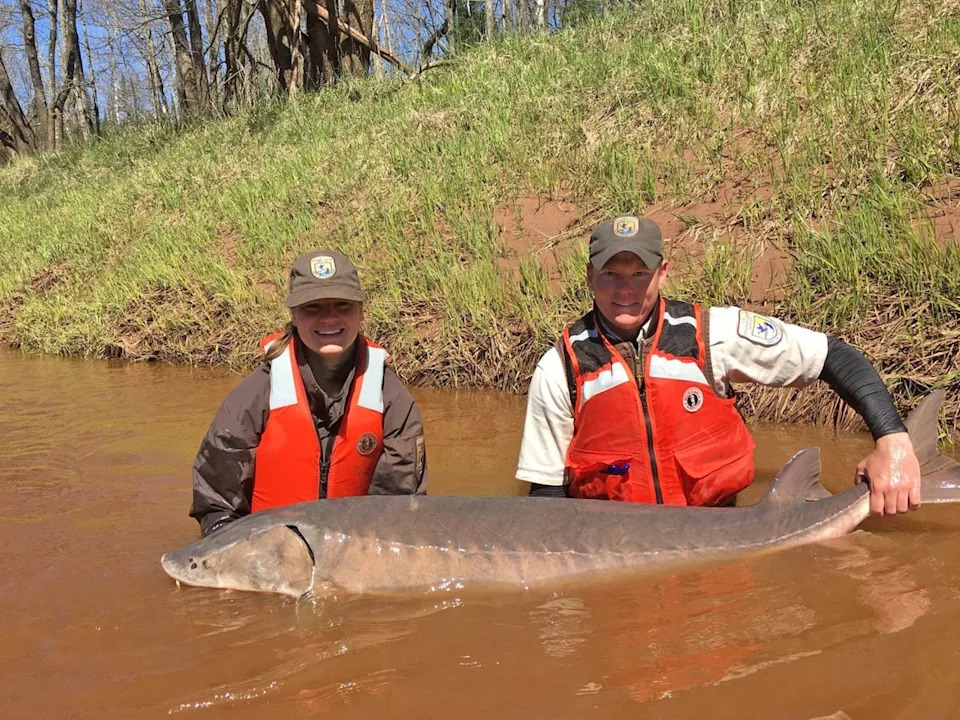
Fish and Wildlife officers hold a 112-pound lake sturgeon in Wisconsin. The fish was tagged and released (USFWS)
Policy And Legal Context
Conservation groups such as the Center for Biological Diversity have challenged federal decisions related to protection status: the group sued the U.S. Fish and Wildlife Service after the agency denied Endangered Species Act protections for lake sturgeon in 2024. Some political voices have also signaled interest in changing how the ESA is applied — a development conservationists warn could affect protections for slow-growing, long-lived species like sturgeon.
Bottom line: The new longevity estimates, if confirmed by additional research, reinforce calls for cautious management and strict protections to allow lake sturgeon populations to recover over the many decades their life cycles require.
Help us improve.