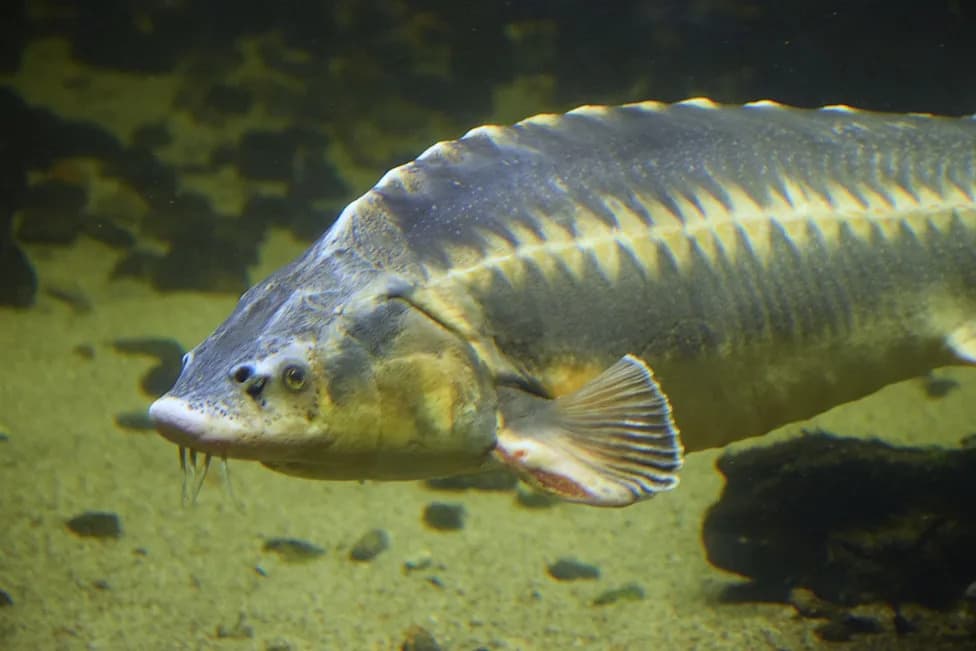
Lake sturgeon (Acipenser fulvescens) are among North America’s largest freshwater fish, capable of exceeding 200 pounds and seven feet in length. A collaborative study reanalyzing a 44-year capture–recapture dataset with growth models suggests some individuals may live up to about 400 years—far longer than the previously cited ~150-year maximum. The findings show that traditional fin-spine ring counts can undercount age, align with Indigenous knowledge, and emphasize the need for long-term conservation.
Lake Sturgeon May Live Up to 400 Years, New Study Suggests — Rewriting How We Age These Ancient Fish
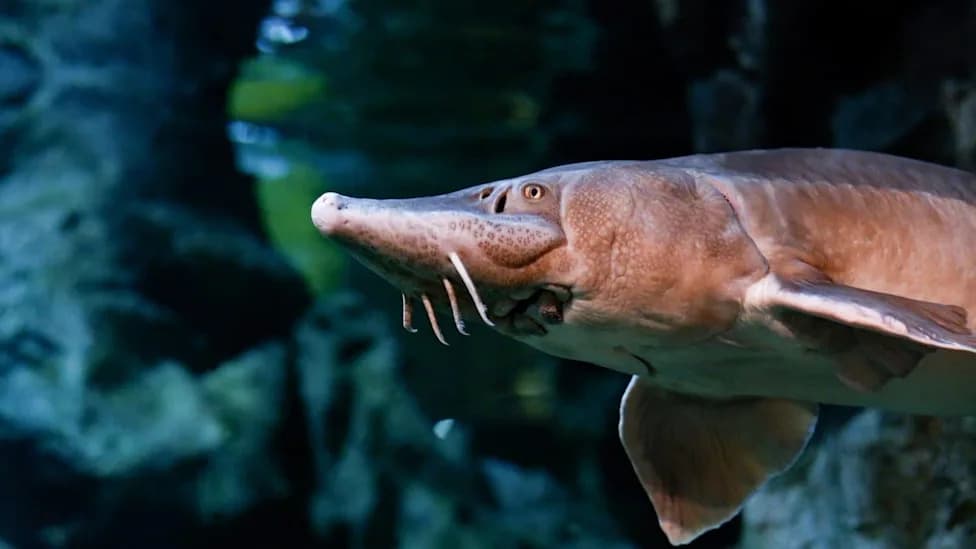
Sturgeon swims underwater. Head of sturgeon close-up.© VOLGAVOLGA/Shutterstock.com
Few freshwater animals evoke deep time like the lake sturgeon. Massive and prehistoric in appearance, Acipenser fulvescens can exceed 200 pounds and grow beyond seven feet—and new research indicates their lifespans may be far longer than previously believed.
A Longer Life Than We Thought
Researchers from the Michigan Department of Natural Resources, Michigan Technological University, Michigan State University and the Wisconsin Department of Natural Resources reanalyzed a 44-year capture–recapture dataset and applied growth models to reassess ages that were traditionally estimated from pectoral fin-spine rings. Government sources such as the U.S. Fish and Wildlife Service have long suggested lake sturgeon can live up to about 150 years. The new analysis indicates some individuals may approach ages of roughly 400 years—several times older than the common estimates.
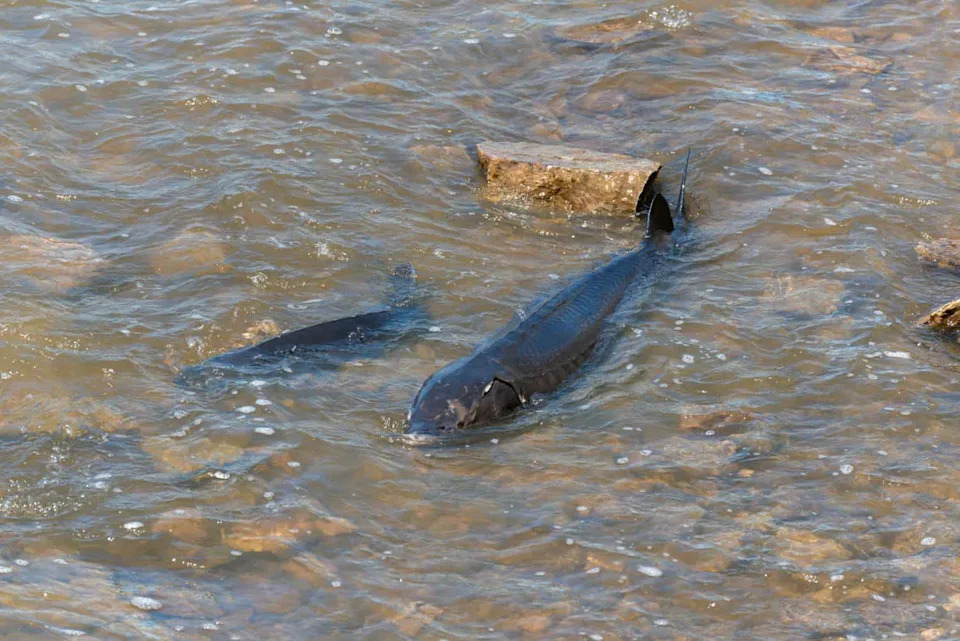
Lake sturgeon have been around for over 100 million years, can weigh over 200 pounds, and sometimes grow to over seven feet in length.©Barbara Smits/Shutterstock.com
Why Previous Methods Underestimated Age
Traditional ageing relies on counting growth rings in pectoral fin spines, a method analogous to counting tree rings. But those annuli become indistinct as sturgeon age, which can lead to systematic undercounting. To address this, the team used a statistical approach similar to methods applied to Greenland sharks: they combined long-term capture–recapture records with models of mean annual growth to infer true ages rather than relying solely on visible spine rings.
Biology and Longevity
Lake sturgeon retain many primitive features—largely cartilaginous skeletons, five rows of bony scutes, and sensory barbels used to locate prey. The study authors note that seasonal behavior, including a hibernation-like torpor during winter, could contribute to slow growth and exceptional longevity. The result is a life-history strategy that favors long lives and late maturity.
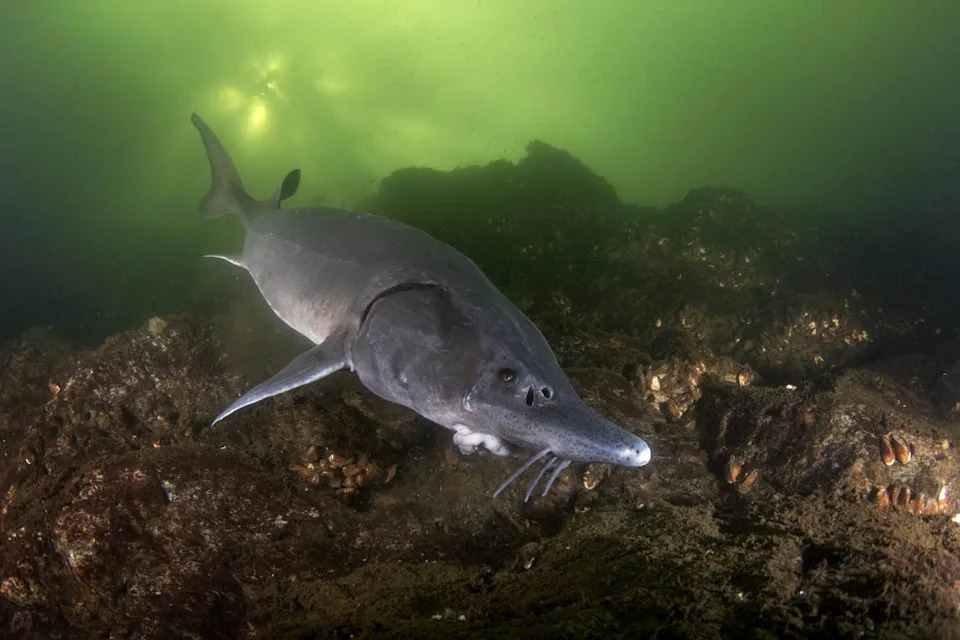
Sturgeons have been around a long time. Providing sanctuaries for them will ensure they live for much longer.©Martin Prochazkacz/Shutterstock.com
"That was one of those goosebump moments," said co-author Scott Colborne, reflecting on how the model results aligned with longstanding Indigenous knowledge about sturgeon longevity.
Conservation Implications
Lake sturgeon populations suffered severe declines from habitat loss and overfishing in the 19th and 20th centuries. Recent conservation efforts and partnerships have helped populations rebound in many areas, and the possibility that some individuals from a century ago may still be alive underscores the importance of long-term protection. Because sturgeon mature late and live long, conservation strategies must account for multi-generational recovery times.
Takeaway
By combining decades of field records with modern statistical methods, the study reshapes our understanding of sturgeon life history and strengthens the case for continued, patient conservation efforts to protect these ancient fish.
Help us improve.