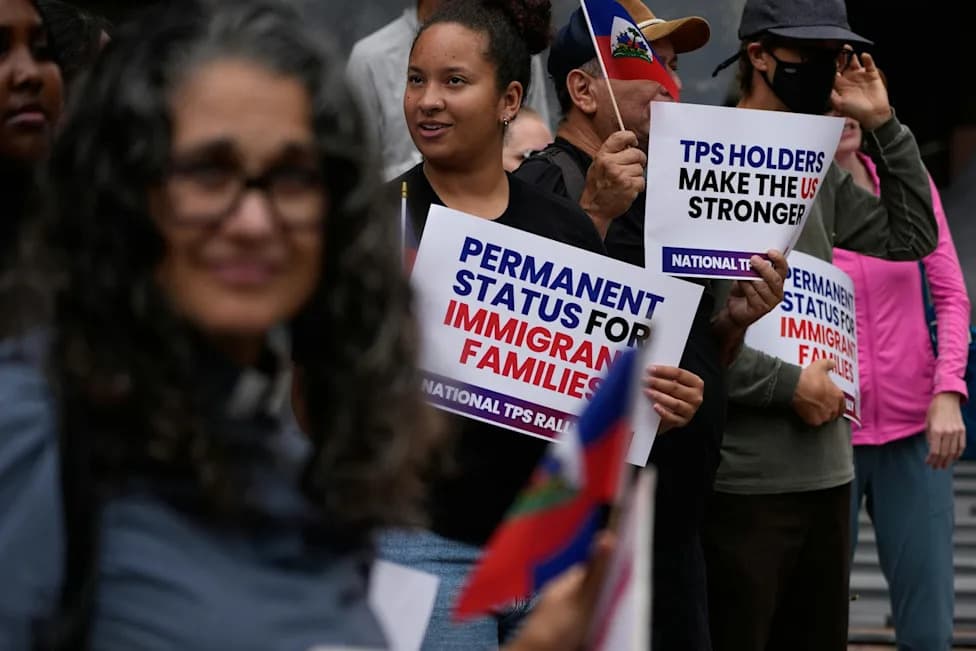
Judge Patti Saris has permitted the Trump administration to move forward with terminating Temporary Protected Status for hundreds of South Sudanese nationals in the U.S., rejecting challenges from immigrant-rights groups as legally inconsistent. The decision follows a 6–3 Supreme Court ruling that allowed the administration to end TPS for Haitians and Syrians. Advocates warn that losing TPS would expose recipients to deportation and could remove workers from sectors already facing shortages.
Judge Clears Way For Trump Administration To End TPS For South Sudanese Nationals
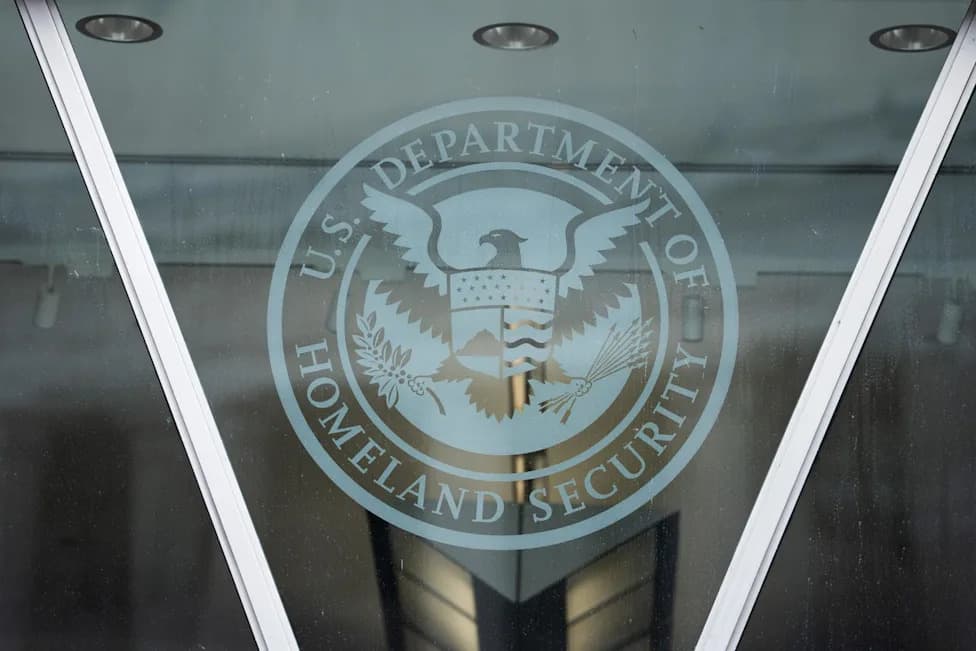
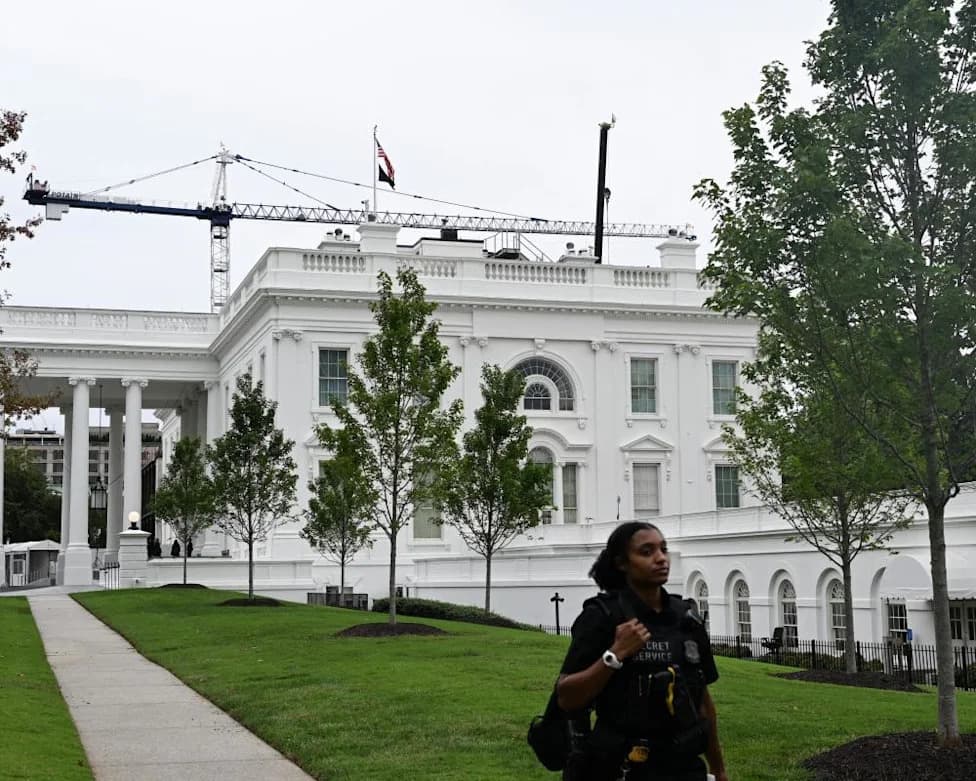
The Department of Homeland Security (DHS) headquarters in Washington.Photograph: Bloomberg/Getty Images
A federal judge has allowed the Trump administration to proceed with terminating Temporary Protected Status (TPS) for hundreds of South Sudanese nationals living in the United States, clearing the path to end their deportation protections and work authorization.
On Friday, U.S. District Judge Patti Saris of Massachusetts denied a request from immigrant-rights groups, including the New York–based African Communities Together, that sought to preserve TPS for South Sudanese nationals in the United States.
Ruling Follows Supreme Court Decision
Saris’s 15-page opinion follows the U.S. Supreme Court’s 6–3 ruling in June that allowed the administration to end TPS for large groups of beneficiaries, including hundreds of thousands of Haitians and thousands of Syrians. That high-court majority overturned earlier injunctions from federal courts in New York and Washington, D.C., which had blocked the administration from terminating TPS for more than 350,000 Haitians and roughly 6,100 Syrians.
Judge’s Reasoning
In her opinion, Judge Saris concluded that the plaintiffs’ legal theory was internally inconsistent. She wrote:
"As a logical matter, plaintiffs' arguments rest upon a self-contradictory, self-defeating foundation."Saris explained that the challengers’ claim — that the Department of Homeland Security (DHS) lacks authority to terminate TPS for South Sudan — would, by the same logic, imply DHS also lacked authority to designate South Sudan for TPS in the first place, rendering the original designation invalid.
Government Response And Legal Context
James Percival, general counsel at DHS, posted on the social platform X that other judges should reach the same conclusion, writing:
"Every other TPS judge must do the same! Every day these 'administrative stays' are in effect is a day the American people are denied what they voted for."Lawyers for South Sudanese plaintiffs and the nonprofit African Communities Together had urged Saris to block the termination on additional grounds not addressed by the Supreme Court, including an argument that the 1990 statute that created TPS named only the Attorney General as the official authorized to designate and terminate TPS. DHS was established in 2002 and many immigration functions were later transferred to it; Judge Saris concluded that Congress effectively transferred TPS authority to DHS.
Humanitarian And Economic Context
South Sudan has been devastated by years of civil war and political instability that have displaced millions. Since declaring independence in 2011, conflict and ethnic violence have caused extensive loss of life and suffering.
DHS moved in November to terminate TPS for South Sudan, arguing the country no longer met the conditions for the designation first issued in 2011. The department said its action would end protections for more than 232 South Sudanese residents and at least 73 South Sudanese with pending TPS applications; an earlier order from Judge Saris had temporarily blocked that termination.
Advocates note the broader economic impact of ending TPS. According to the advocacy group Fwd.us, TPS recipients have paid about $7.8 billion in taxes annually since 2001 and contributed roughly $262 billion to the U.S. economy overall. Many TPS holders work in industries facing labor shortages — including construction, hospitality and healthcare — and ending TPS could remove workers from these critical sectors.
Consequences For Individuals
Ending TPS would strip affected immigrants of their legal status and expose them to arrest, detention and deportation, even if they have pending asylum claims or applications for permanent residency. Some may face immigration court proceedings with limited options to stay in the United States; those ordered removed could be deported and barred from returning for years.
The Guardian has contacted African Communities Together for comment. Reporting contributions were provided by Reuters.
Help us improve.