Pinal County Sheriff Ross Teeple has declined to renew the county's contract with Flock Safety for automated license-plate readers, citing "serious Fourth Amendment concerns" about the system's ability to map movement patterns. Flock's cameras capture license plates and timestamps and say unflagged data is deleted after 30 days, but critics warn the architecture can reconstruct travel histories without a warrant. The contract affects only unincorporated Pinal County and expires at the end of September 2026; city contracts are unaffected for now.
Arizona Sheriff Refuses To Renew Flock Safety ALPR Contract Citing Fourth Amendment Risks

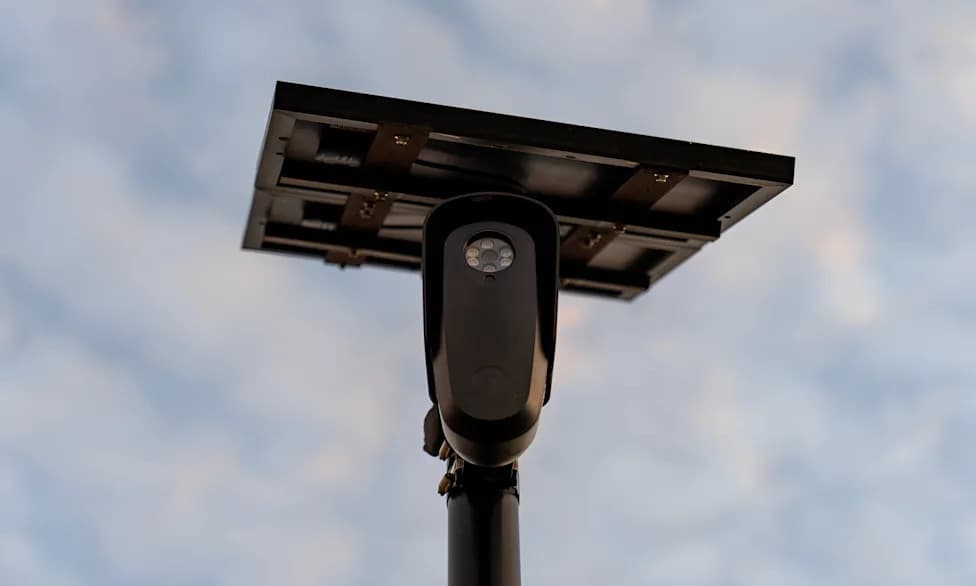
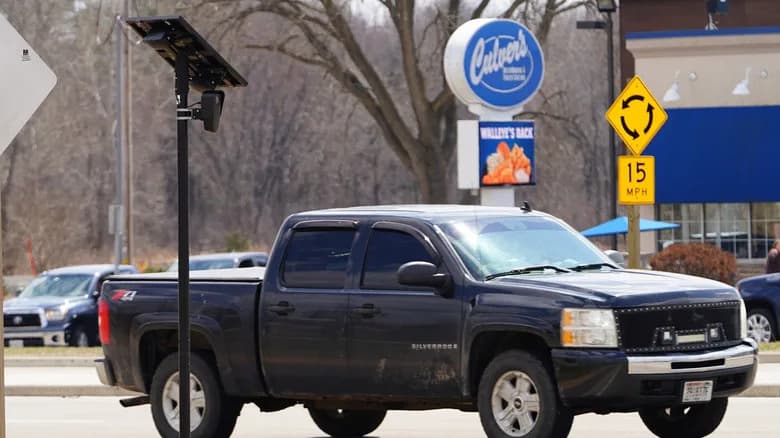
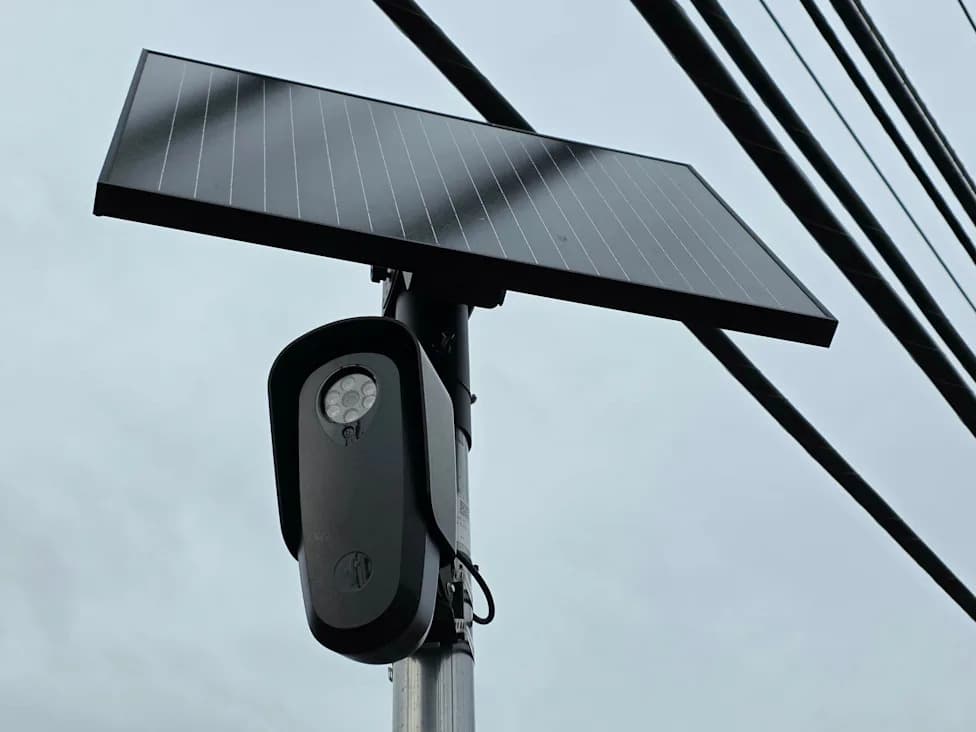
Image: X/@OrwellDay - Flock Safety
Pinal County Sheriff Ross Teeple has notified the Pinal County Board of Supervisors that he will not renew the county's contract with Flock Safety for automated license-plate reader (ALPR) cameras when the agreement expires at the end of September 2026. The move is unusual among U.S. law enforcement agencies: Teeple said his decision stems from "serious Fourth Amendment concerns" about technology capable of mapping patterns of movement, even if every feature is not actively used.
What The System Does
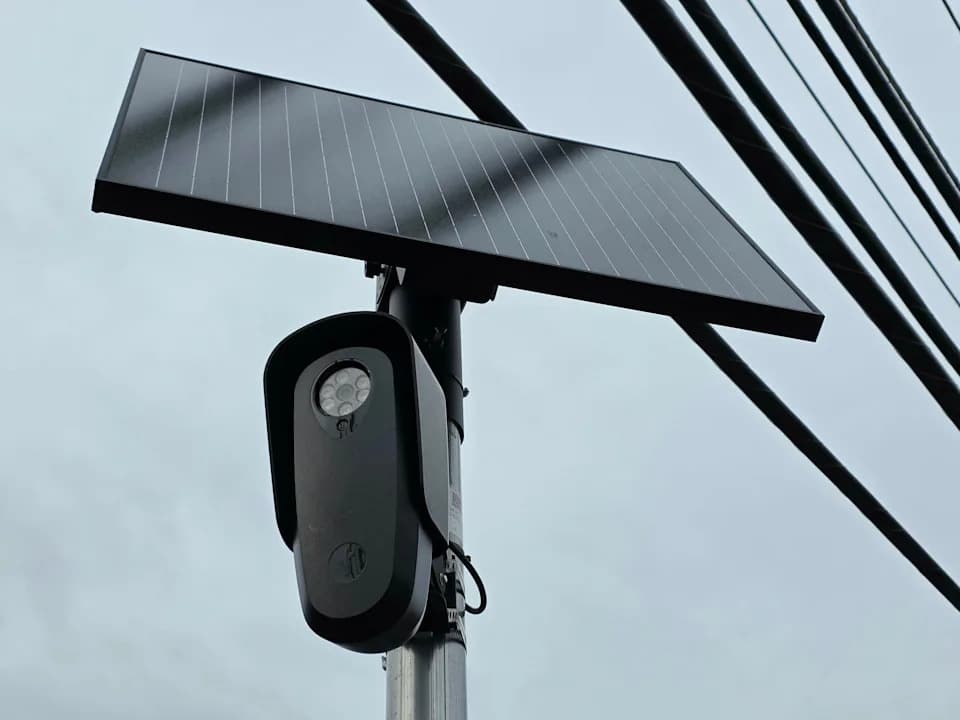
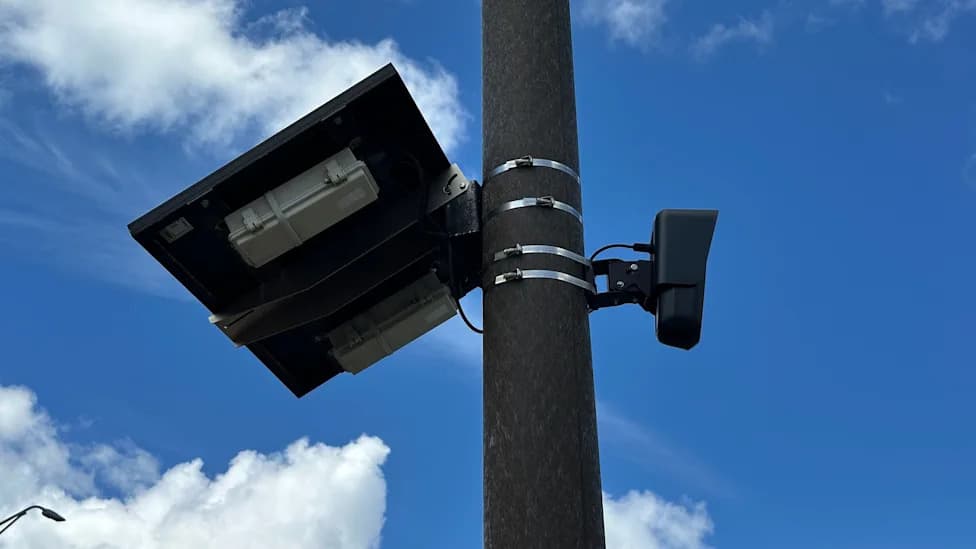
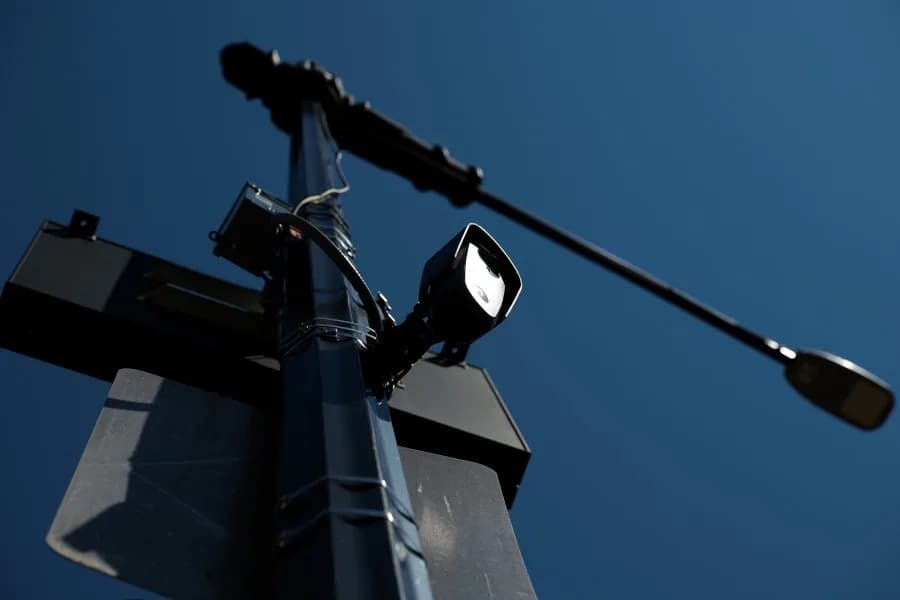
Flock Safety's cameras photograph vehicles, capture license-plate numbers and log timestamps as part of an automated system designed to aid investigations. The company maintains that its platform does not perform facial recognition and that unflagged data is deleted after 30 days. Those safeguards, however, do not resolve the underlying architectural issue raised by Teeple: the system's capacity to reconstruct a vehicle's location history and thereby assemble a portrait of a person's routines without a warrant.
Sheriff's Main Objection
Sheriff Teeple has emphasized that his concern is not only about retention policies but about the surveillance architecture itself. A system able to show where a car was at 3 p.m. on a Tuesday — and every Tuesday before that — can silently catalog patterns of movement. That persistent, reconstructable record is what Teeple and other critics argue poses a constitutional risk.
"Serious Fourth Amendment concerns with some of the technology that is contained in those cameras, whether or not we have access to it." — Pinal County Sheriff Ross Teeple
Key Details And Local Impact
- The contract covers cameras only in unincorporated Pinal County; cities inside the county may maintain separate Flock agreements independently.
- The county contract is due to expire at the end of September 2026.
- Pinal County joins a growing list of jurisdictions nationwide that have ended or declined to renew Flock contracts amid privacy and civil-liberties concerns.
Where The Debate Stands
Supporters of ALPR systems say the cameras help close cases and point to access controls, audit logs and retention limits as safeguards against misuse. Critics counter that the very architecture of continuous location logging creates a power to surveil routine life without individualized suspicion or a warrant. Whether Pinal County chooses a different vendor, leaves the coverage gap unfilled in unincorporated areas, or faces pressure from residents and municipal leaders to restore cameras remains to be seen.
When unincorporated Pinal County's cameras go dark in September, city contracts inside the county will remain in place for now. A law-enforcement official invoking the Fourth Amendment as a reason to step away from surveillance technology is a notable development in the nationwide discussion about ubiquitous tracking tools and their implications for privacy.
Help us improve.