Flock Safety drafted a plan to use Nexar dashcams in up to 350,000 ride-share and delivery vehicles to capture license plates and build a regionwide tracking network. The company says the partnership never launched, but the proposal reveals ambitions to expand beyond stationary cameras. The plan surfaced amid mounting backlash — LAPD contract losses, new state laws like Washington's SB 6002, EPIC's calls for a ban, and litigation invoking Carpenter v. United States — fueling privacy and civil-rights concerns.
Flock's Ambitious Plan: Turn 350,000 Ride-Share and Delivery Cars Into Roaming License-Plate Scanners

Flock Wanted to Turn 350,000 Uber Drivers Into a Nationwide Plate-Scanning Fleet
Flock Safety explored a plan to turn hundreds of thousands of ride-share and delivery vehicles into a mobile network of license-plate readers, according to a presentation prepared for the Georgia Attorney General's office and later shared with 404 Media.
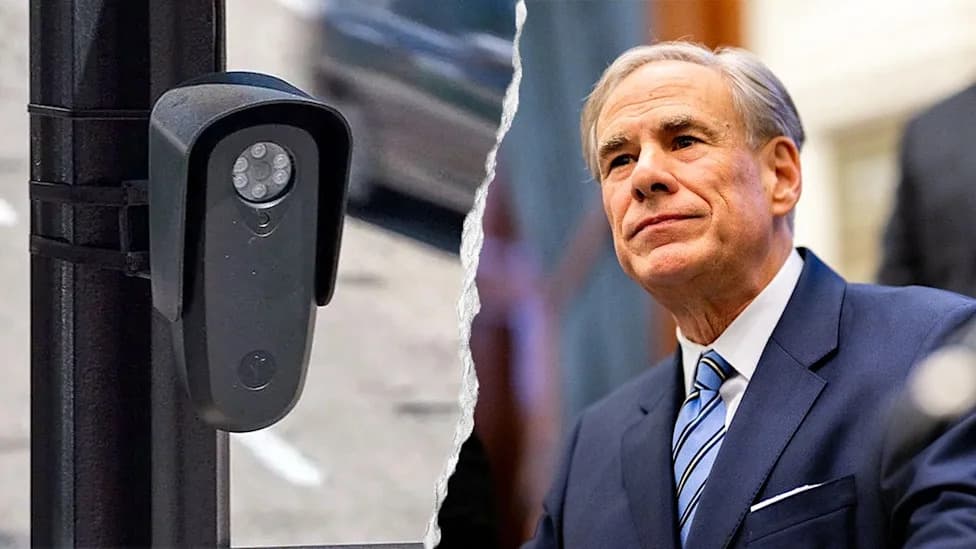
The company proposed using Nexar dashcams, which are already installed in hundreds of thousands of cars, to capture license plates of vehicles those drivers passed. Flock says the Nexar program never launched, but the presentation reveals how aggressively the company sought to expand beyond its pole-mounted cameras.
How the Proposal Would Have Worked
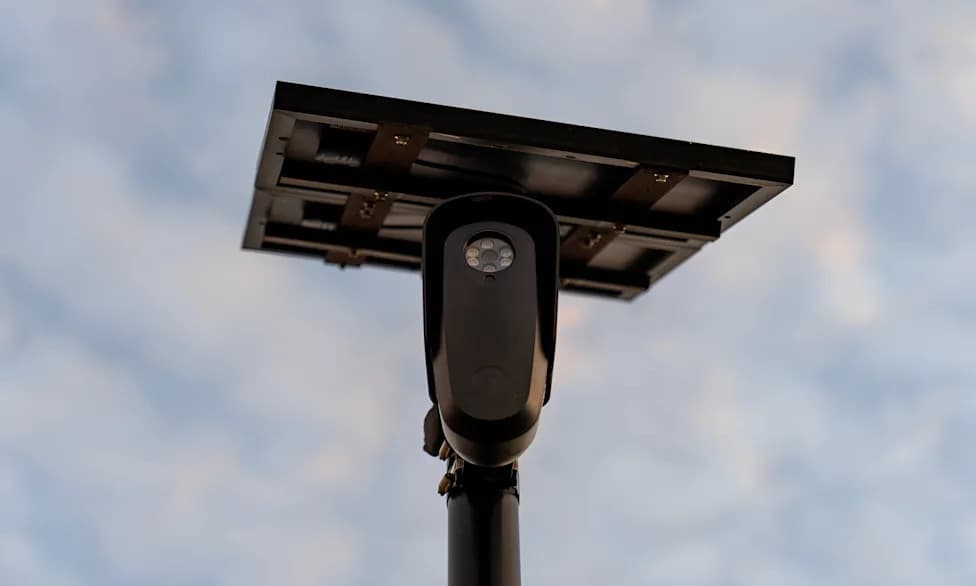
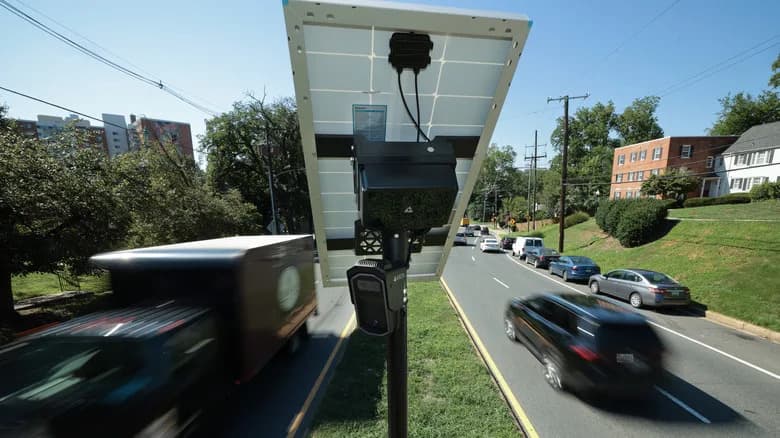
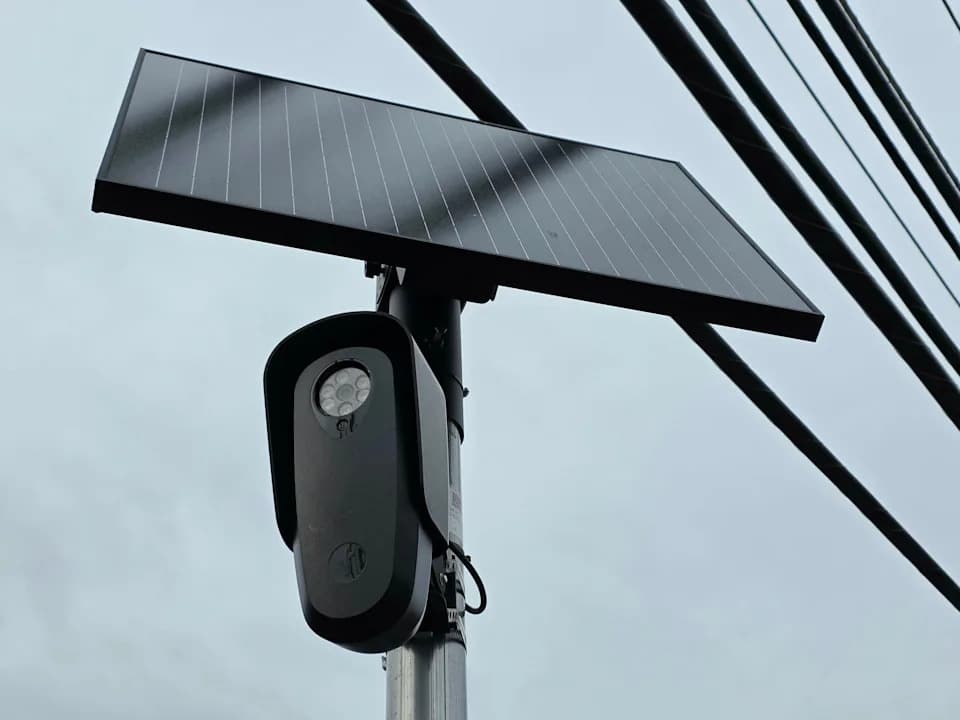
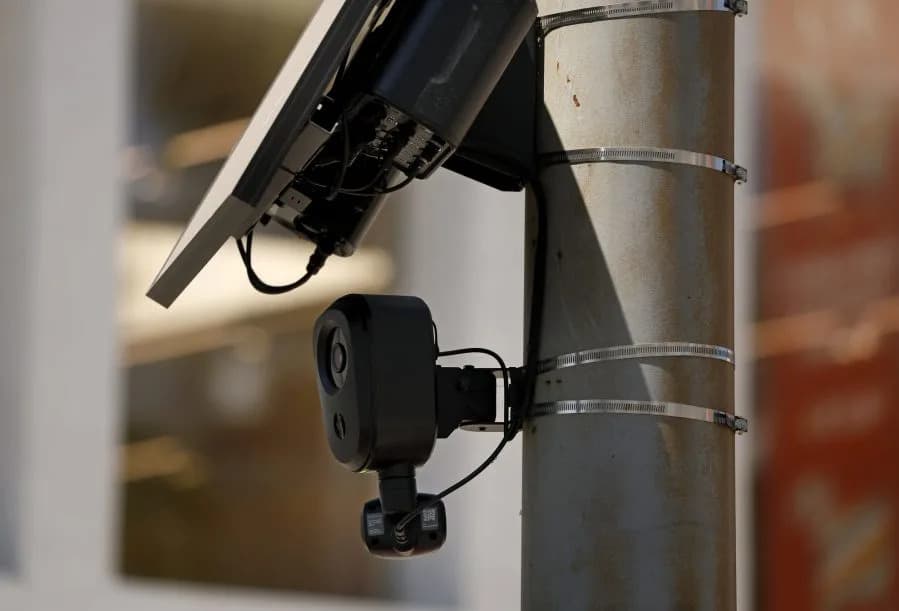
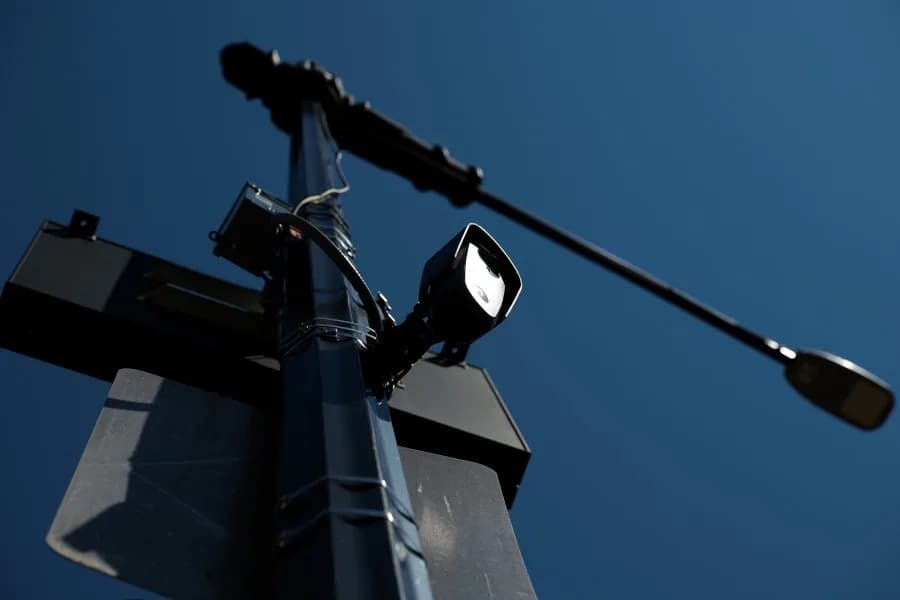
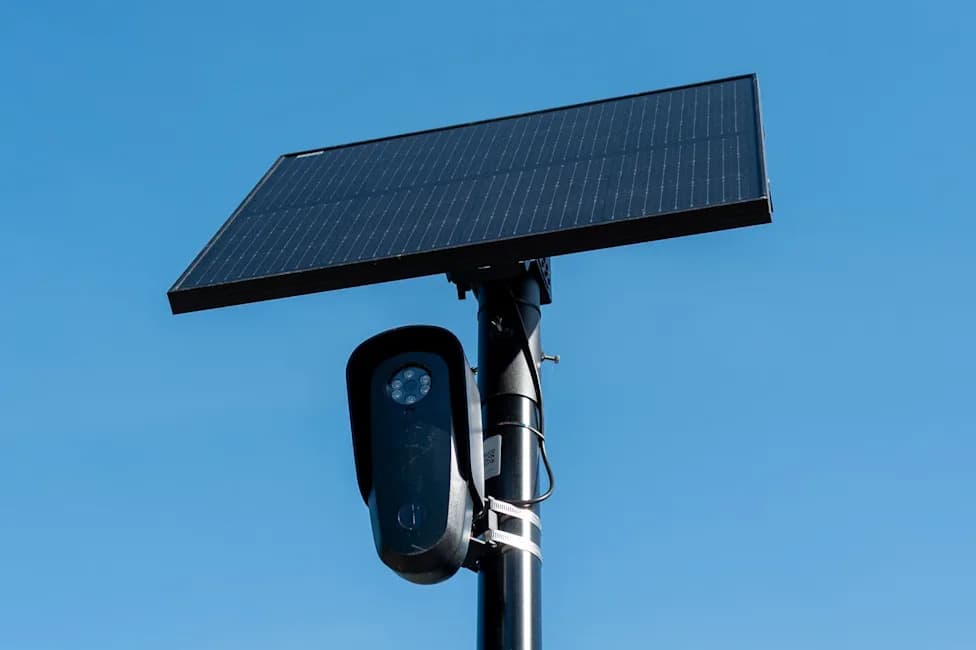
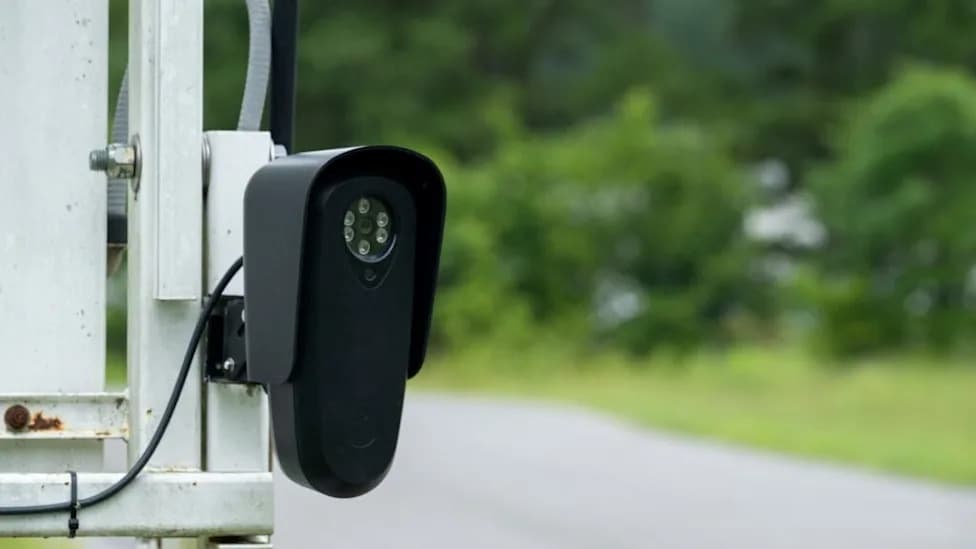
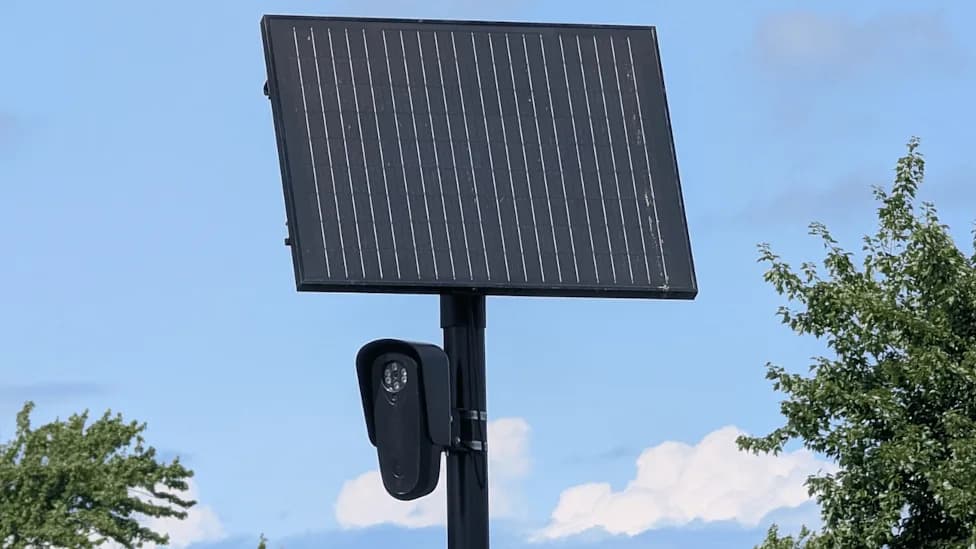
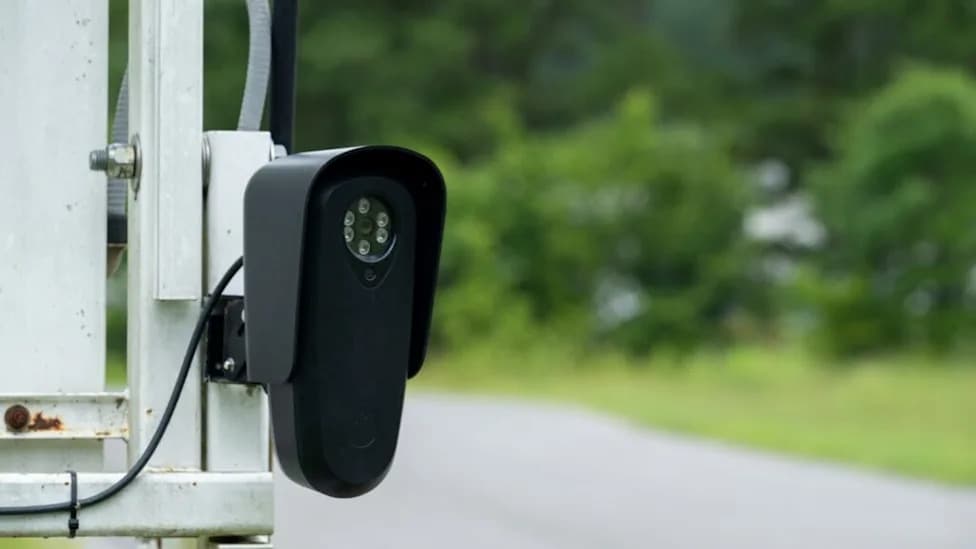
Flock's core product is a fixed, pole-mounted camera that records a vehicle's plate, color, make and model and builds a searchable map of vehicle movements. The Nexar concept would have untethered that capability: instead of a single device monitoring an intersection, as many as 350,000 cars would carry cameras that continuously scanned plates, closing gaps between stationary sites and enabling near-real-time regionwide tracking.
Existing Comparisons
Similar mobile ALPR (automated license plate recognition) systems already exist for specific uses: Axon offers a roaming solution for police cruisers, and vendors such as Motorola's DRN and Vigilant supply services that use vehicles driven by repossession agents. Flock's pitch was notable because it aimed to deploy comparable surveillance at civilian scale by tapping common commercial drivers.
Backlash, Legal Pressure, and Policy Responses
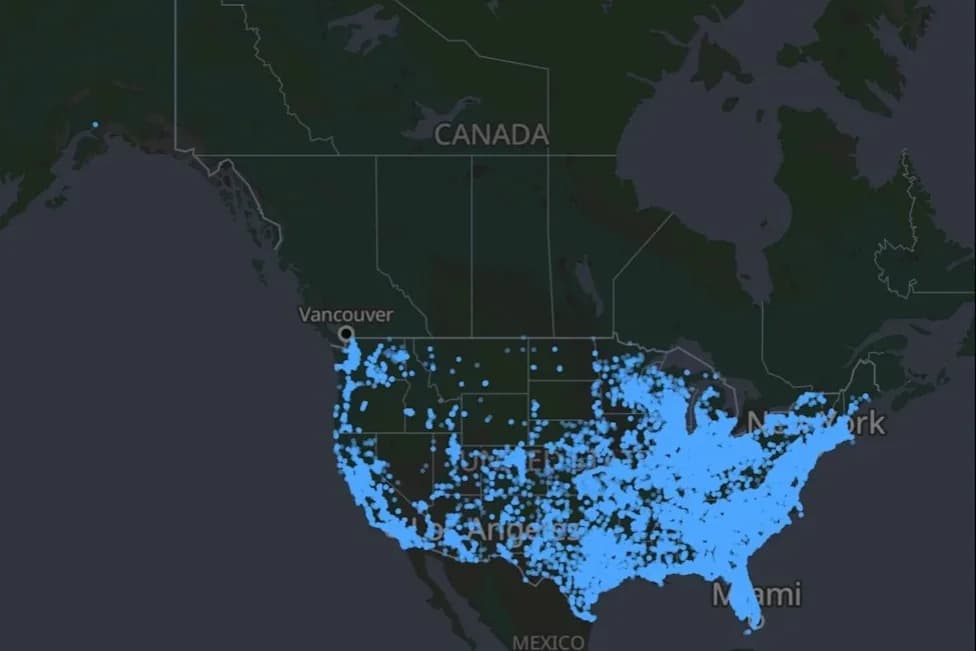
Flock reached an $8.4 billion valuation in April and its stationary cameras now cover more than 5,000 U.S. communities, but the network has drawn growing scrutiny. In July the Los Angeles Police Department allowed its Flock contract to expire, citing "serious concerns" about privacy and civil liberties.
Reports have documented multiple incidents in which law enforcement officers allegedly misused ALPR data: CNN identified at least two dozen cases involving resignations or arrests tied to abuse of Flock's system. The Nexar proposal surfaced as the company's footprint was already under intensified public and official scrutiny.
Advocacy and legislative actions have followed: the Electronic Privacy Information Center (EPIC) urged Congress to ban automatic license-plate readers, Washington state passed SB 6002 restricting ALPR use, and California is considering measures to limit data sharing. Decrypt previously reported on a proposed House bill that would require warrants for some government uses of AI-powered surveillance.
Attempts to deploy Flock cameras on federal buildings also generated strong opposition from civil-rights advocates. On the legal front, a federal judge allowed a Norfolk lawsuit alleging that Flock's cameras violate the Fourth Amendment to proceed, citing the Supreme Court's Carpenter v. United States decision on warrantless tracking.
Implications
Even if the Nexar deal did not launch, the proposal illustrates how consumer-facing technologies and commercial fleets could be repurposed to create dense, mobile surveillance networks — raising fresh questions about consent, oversight, data retention, and the balance between public safety and civil liberties.
What to watch: whether companies pursue broad partnerships with dashcam providers; how states and Congress regulate ALPR and AI-linked surveillance; and the outcomes of ongoing litigation that could shape warrant and privacy standards for location and plate-tracking technologies.
Help us improve.