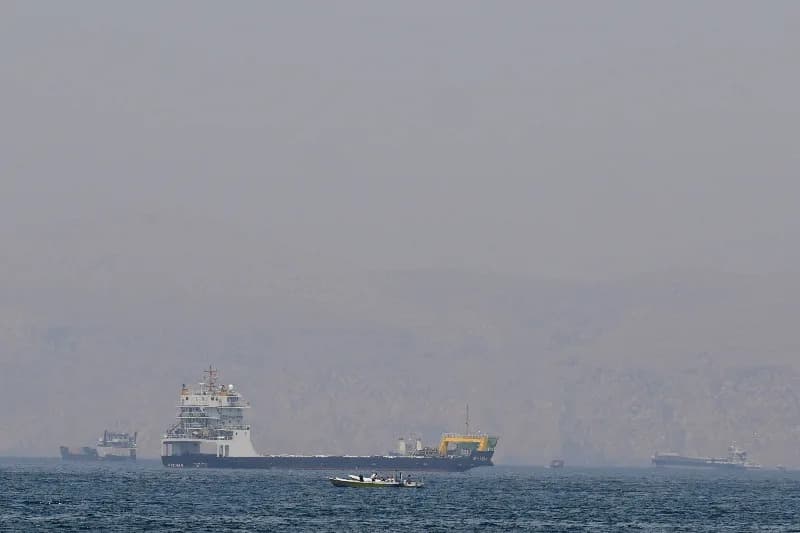
The Strait of Hormuz once operated like a two-mile-wide maritime highway, carrying about a fifth of global oil and LNG each day under a traffic scheme adopted by the UN in 1968. Mines, drone strikes and new tolls have emptied the main channel and pushed most vessels into temporary coastal corridors. An anticipated agreement between Tehran and Muscat could create new routing options, but analysts say pipelines and port relocations cannot easily replace the strait. The Economist warns Iran’s strategic leverage over Hormuz may persist beyond the current conflict with the United States.
No Simple Replacement for the Strait of Hormuz — Why the Waterway Still Matters
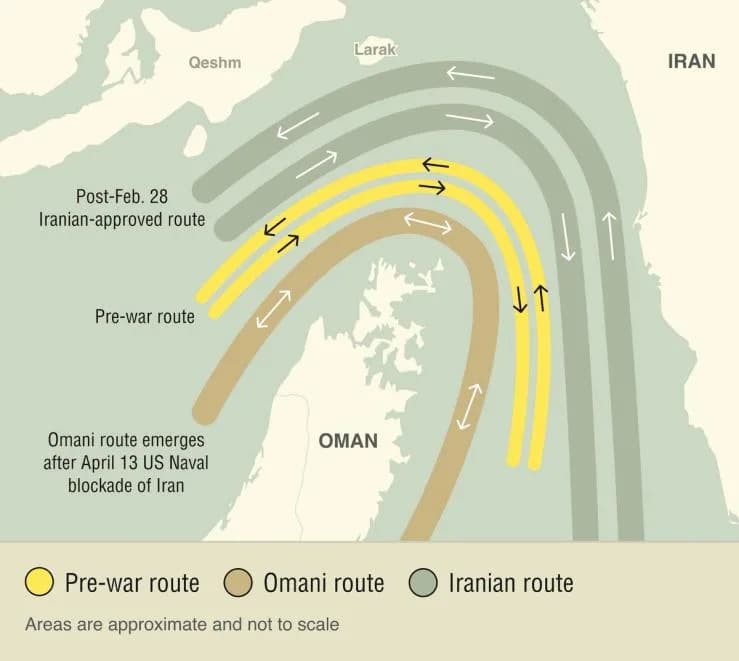
Shipping route map
Before the mines, drone strikes and new tolls, the Strait of Hormuz functioned like a major international highway: two-mile-wide lanes allowed vessels to pass in each direction, and about a fifth of the world’s oil and liquefied natural gas transited the strait daily, along with foodstuffs, petrochemicals and other essential cargoes—mostly through the deep territorial waters of Oman. That traffic arrangement was jointly proposed by Iran and Oman and formally adopted by the United Nations' maritime body in 1968.
Today the central channel is largely empty. Shipping companies are steering clear because of Iranian mines and other security threats; most traffic has been diverted into temporary corridors that hug the Iranian and Omani coasts. The disruption has raised global concern about energy supplies and shipping costs, and prompted calls to find alternatives.
Can trade be rerouted? Some analysts point to pipelines that bypass the maritime corridor and to plans for relocating refineries, terminals and insurance arrangements. Those measures can reduce dependence on the strait but cannot instantly replicate the flexibility, capacity and cost-efficiency of the open shipping lanes. Building new pipelines and terminals takes years and major investment; rerouted logistics often remain slower and more expensive.
Diplomacy on the horizon: An expected agreement between Tehran and Muscat could open new, formalized routing arrangements this week, creating alternate corridors and possibly restoring some commercial traffic. Even so, experts warn that any new routing will be partial and contingent on enforcement and international confidence in safety.
"Those who predict the strait’s decline overestimate how easily trade can be rerouted and underestimate Iran’s capacity to retain strategic leverage," argues The Economist, which suggests Tehran’s influence over Hormuz may outlast the current conflict with the United States.
What this means for the world: The Strait of Hormuz remains a chokepoint with outsized geopolitical and economic consequences. Short-term disruptions have prompted contingency planning, but long-term solutions will require time, investment and sustained regional security. Reporting: Kelsey Warner.
Help us improve.