Population decline is concentrated in parts of Eastern Europe and East Asia, driven by war, mass emigration and record-low birth rates. Ukraine faces the steepest drop (~33%, ~16 million fewer people by 2025), while Moldova, Bulgaria, Latvia, Kosovo and Bosnia are losing large shares mainly to emigration and low fertility. Japan and South Korea register some of the world’s lowest fertility rates, driving ongoing natural declines. These trends threaten labor markets, pensions and rural communities and will hinge on policy responses and migration patterns.
8 Countries With the Fastest-Shrinking Populations — Why Parts of Europe and East Asia Are Emptying Out

Image credits: Unsplash
Population growth is no longer a global given. In several countries — especially in Eastern Europe and East Asia — populations are falling rapidly, reshaping labor markets, public finances, and everyday life. Below are eight countries where decline is already dramatic and where the causes range from war and emigration to record-low birth rates.
Ukraine
Ukraine exemplifies the most extreme recent demographic collapse. Its population is estimated to fall by roughly 33% — about 16 million people — from 48.7 million in 2000 to an estimated 32.9 million in 2025. This decline reflects long-term economic pressures compounded and accelerated by the war with Russia: refugee flows, casualties, displacement and years of low fertility.
Moldova
Moldova’s recent losses are startling for a peaceful European state. Between 2020 and 2024 the country lost roughly one million people — about 25% of its population — and recorded an annual decline of 1.22% in 2024. Young workers emigrating to Western Europe for better wages, combined with a low birth rate, have hollowed out communities and accelerated depopulation.
Bulgaria
Bulgaria has been shrinking for decades, and the trend is now a central political and social concern. The population is expected to fall by about 20.6% (from 6.8 million in 2024 to 5.4 million by 2050). The decline is driven largely by sustained outward migration: many workers leave for higher wages elsewhere in the EU and do not return.
Latvia
Latvia offers a clear before-and-after example of how free movement in the EU affected a small country’s demographics. The country is projected to lose around 21.05% of its population between 2024 and 2050 and has already lost roughly a fifth of its residents since joining the EU in 2004. Economic migration abroad and persistently low birth rates together reduce the pool of future workers.
Kosovo
Kosovo stands out for the speed of its annual contraction. Among 43 countries tracked for population decline, Kosovo recorded the steepest annual fall at about -5.39% per year, losing roughly 85,936 people annually. High emigration to Western Europe and birth rates well below replacement levels are the main drivers.
Bosnia and Herzegovina
Bosnia and Herzegovina is projected to be one of Europe’s steepest percentage decliners: population forecasts show a drop of about 21.9% from 3.2 million in 2024 to around 2.5 million by 2050. Fertility is a major factor — the total fertility rate is near 1.26 births per woman — and continued out-migration of younger residents compounds the decline.
Japan
Japan’s population decline is prolonged and continues to set new records. Births fell to 671,236 in 2025 — down 14,937 year-on-year — marking fewer than 700,000 births for a second consecutive year and the tenth record low in a row on comparable statistics since 1899. Japan’s total fertility rate edged down to about 1.14, and deaths outnumbered births by 918,253, the 19th consecutive year of natural decrease despite policy efforts to encourage childbearing.
South Korea
South Korea now posts one of the world’s lowest fertility rates: around 0.75 children per woman in 2024. The population has declined for several consecutive years, and while there were modest signs of more births in 2025, the long-term trajectory remains downward. Low fertility combined with changing family and labor dynamics is already affecting the economy and long-term growth prospects.
What This Means: These eight countries illustrate three core drivers of contemporary depopulation — conflict and displacement, mass emigration, and historically low fertility. The consequences are similar wherever decline takes hold: tighter labor markets, pressure on pension and health systems, and shrinking rural communities. Whether trends stabilize will depend on a mix of policy responses, economic opportunities, and migration patterns in the years ahead.

Ukraine: A Nation Losing People Faster Than Any Other (Image Credits: Unsplash)

Moldova: Losing a Quarter of Its People in Just Four Years (Image Credits: Pexels)

Bulgaria: Decades of Outward Migration Taking Their Toll (Image Credits: Pexels)
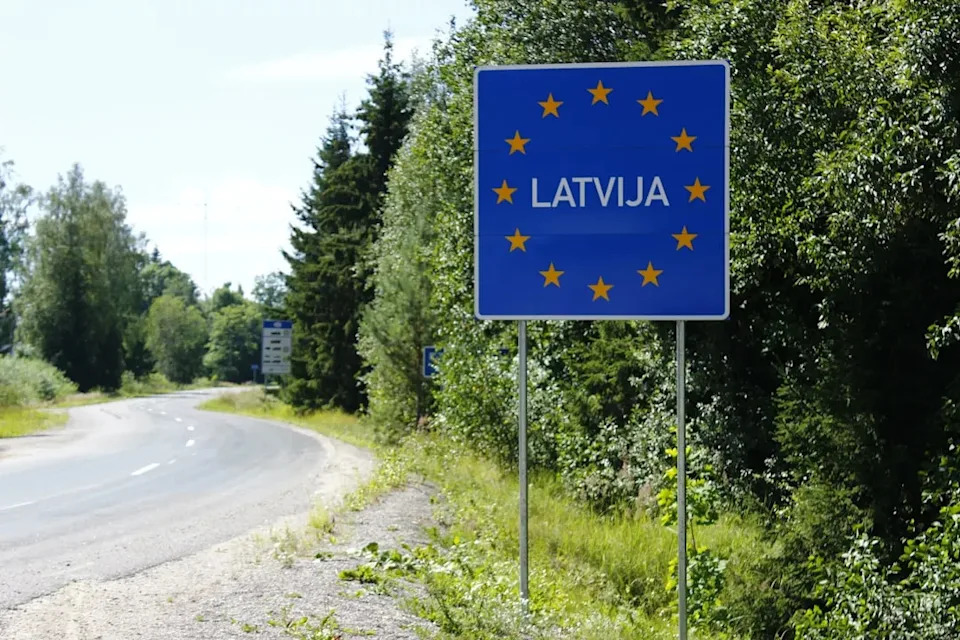
Latvia: A Fifth of the Population Gone Since Joining the EU (Image Credits: Unsplash)

Kosovo: The Steepest Annual Decline on the Continent (Image Credits: Pexels)
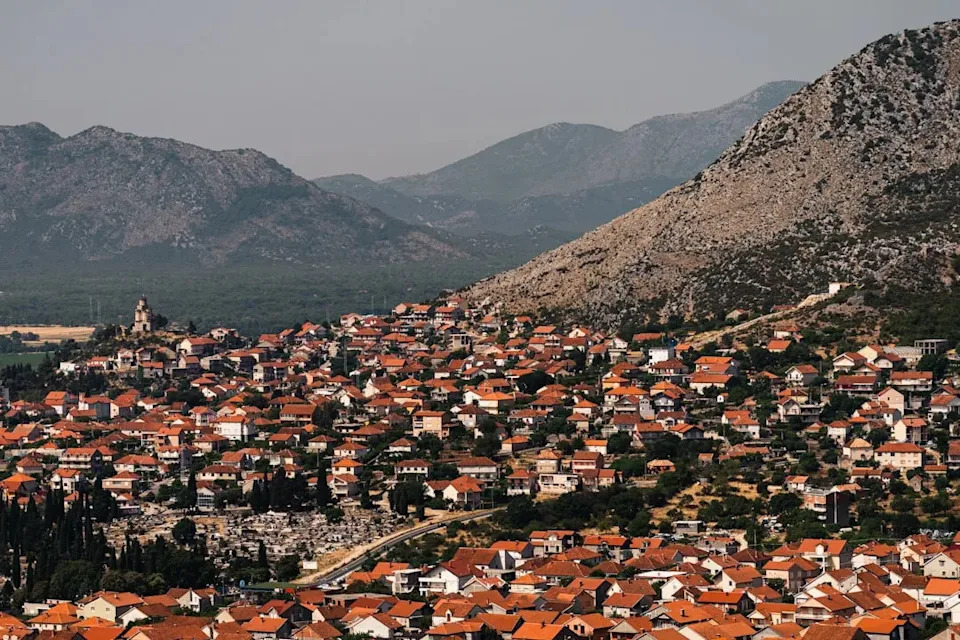
Bosnia and Herzegovina: Below Replacement and Falling Fast (Image Credits: Unsplash)

Japan: Ten Straight Years of Record Low Births (Image Credits: Unsplash)

South Korea: The World's Lowest Fertility Rate (Image Credits: Unsplash)

Final Thoughts (Image Credits: Unsplash)
Help us improve.