The Trump administration has used DOE emergency authority since May 2025 to keep seven aging power plants — six coal and one oil/gas — available, citing grid reliability. Many of the plants were slated for retirement by utilities and regulators, and several are idle or in disrepair. Legal challenges from environmental groups and Democratic attorneys general are pending, and the Sierra Club estimates the orders have cost about $430 million as of Aug. 6. Upcoming retirements, including Comanche and Sherburne County, remain at risk of being blocked.
DOE Forces Aging Coal Plants to Stay Online — Latest on Trump’s 'Stay-Open' Orders
Trump’s DOE keeps forcing coal plants to stay open. Here’s the latest.
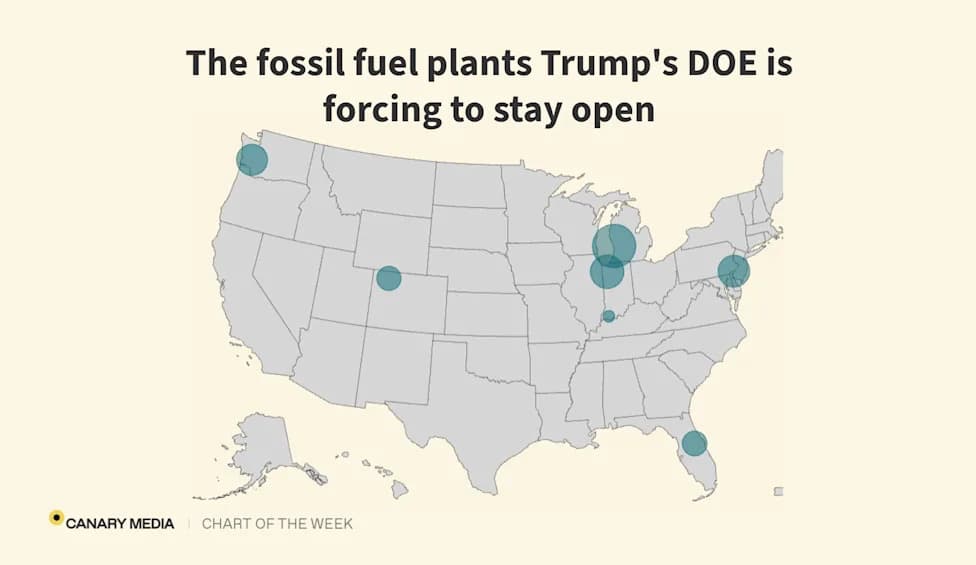
The Trump administration has repeatedly used the Department of Energy's emergency authority since May 2025 to keep aging fossil-fuel power plants operating, arguing they are necessary for grid reliability. What began as a single, surprising order to delay a planned retirement has grown into seven stay-open directives — six for coal units and one for oil/gas — prompting legal challenges, political pushback, and questions about long-term costs to customers and grids.
Quick snapshot: The Sierra Club estimates the administration's stay-open orders have cost roughly $430 million as of Aug. 6. Many of the affected plants had been slated for retirement by utilities and regulators, and some are offline or in disrepair — raising doubts about whether they actually contribute to reliability.
Plants Ordered To Remain In Service
J.H. Campbell (Michigan)
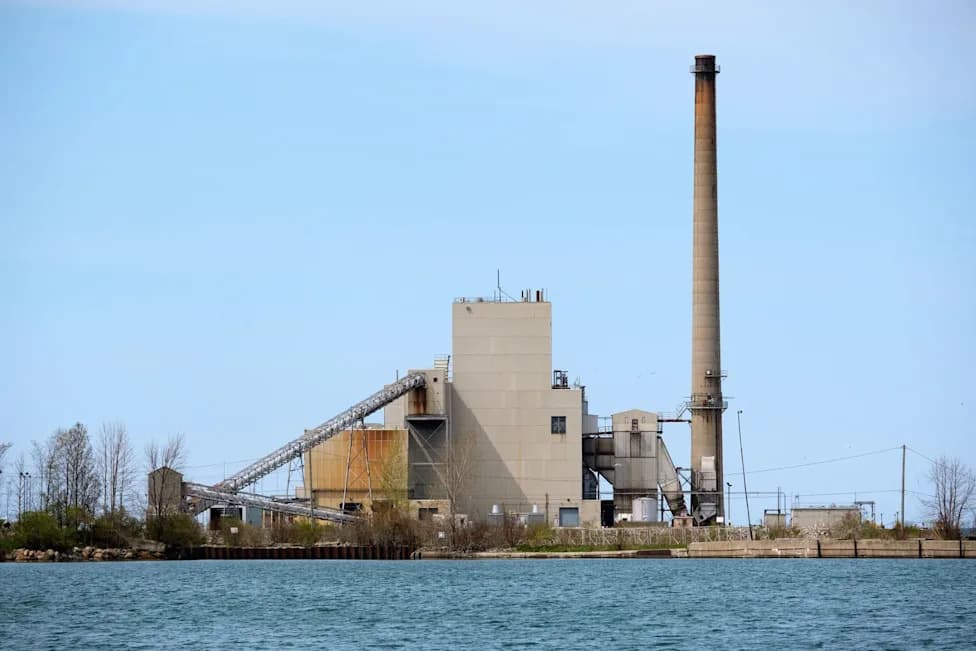
The more-than-60-year-old J.H. Campbell plant on Lake Michigan was the first to receive a DOE stay-open order in May 2025, issued about a week before its planned retirement. Democratic state attorneys general from Michigan, Minnesota and Illinois, along with environmental groups, have filed legal challenges. Oral arguments were heard by a federal appeals court in May 2026; a ruling could come as soon as August 2026.
Eddystone (Pennsylvania)
In May 2025 the DOE ordered oil- and gas-fired units at Eddystone — units installed in the late 1960s — to remain available. Owner Constellation Energy says the units have operated infrequently but have sometimes supported reliability. Environmental groups have sued the DOE, and in Kentucky a utility and the Republican state attorney general are contesting cost allocation for keeping the plant online.
R.M. Schahfer (Indiana)
The DOE ordered the roughly 50-year-old Schahfer plant to stay available in December 2025 even though the facility was already partially inoperable. Northern Indiana Public Service Co. (NIPSCO) estimated repairs and continued operation could exceed $1 billion through 2027. Schahfer went offline for repairs in February 2026 and likely won’t run until fall 2026 — meaning it cannot currently contribute to reliability. Environmental groups and Democratic attorneys general from Minnesota and Illinois have challenged the order.
F.B. Culley Unit 2 (Indiana)
CenterPoint Energy describes Culley Unit 2 as its "smallest and most inefficient coal unit," but the DOE issued a stay-open order in December 2025. In February 2026 the company asked the administration not to renew the directive, calling the unit unreliable and unnecessary for grid reliability; the DOE renewed the order anyway. Environmental groups and Democratic attorneys general from Minnesota and Illinois have filed legal challenges.
Centralia (Washington)
TransAlta’s more-than-50-year-old Centralia coal plant had been slated for conversion to natural gas before a December 2025 DOE order kept the coal units available. TransAlta remains committed to conversion but is seeking tens of millions in reimbursement for costs incurred to keep the coal units online — a request that has frustrated regional utilities because Centralia has largely sat idle since the order. Washington’s Democratic attorney general and environmental groups have sued the DOE, and the state governor signed legislation imposing potential penalties or costs on TransAlta if the plant resumes coal-fired operation.
Craig Unit 1 (Colorado)
Colorado utilities had planned for about a decade to retire Craig Unit 1 at the end of 2025, but the DOE forced the unit to remain online. In February 2026 two cooperative utilities that co-own the plant petitioned the DOE to reconsider, arguing the order will impose unnecessary costs on their members. Owners also faced repair costs after a faulty valve took the plant offline in December 2025; some estimates suggest keeping the unit running for one additional year could cost up to $150 million.
Stanton Unit 1 (Florida)
Stanton Unit 1 received a stay-open order in June 2026. The Environmental Defense Fund estimates that propping up the nearly 40-year-old unit could add roughly $21 per month to the electric bill of an Orlando Utilities Commission customer if the costs are passed directly to OUC ratepayers.
Why This Matters
The DOE orders have triggered multiple lawsuits and bipartisan friction among utilities, state officials and regional grid operators. Critics argue the emergency authority is being used to prop up uneconomic, high-emitting generation that states and utilities had already planned to retire. If customers are required to shoulder the costs of keeping these plants available, households and local utilities could face higher bills.
Federal data show more than 20 coal-burning units remain scheduled to retire before the end of the administration's term. The next high-profile retirements include Colorado's Comanche plant and Minnesota's Sherburne County station, the latter of whose owner is building a large solar farm nearby to replace capacity.
What’s next: Pending court rulings and any further DOE orders will determine whether additional plants close as planned or stay online until the end of the administration’s term. The outcomes will shape near-term reliability planning, ratepayer costs and the pace of the power sector’s transition away from coal.
Have an update or correction? Email [email protected].
Canary Media's "Chart of the Week" series is supported by Amazon. Amazon applies data-driven approaches to its sustainability efforts, aiming to reduce environmental impact across its operations.
Help us improve.