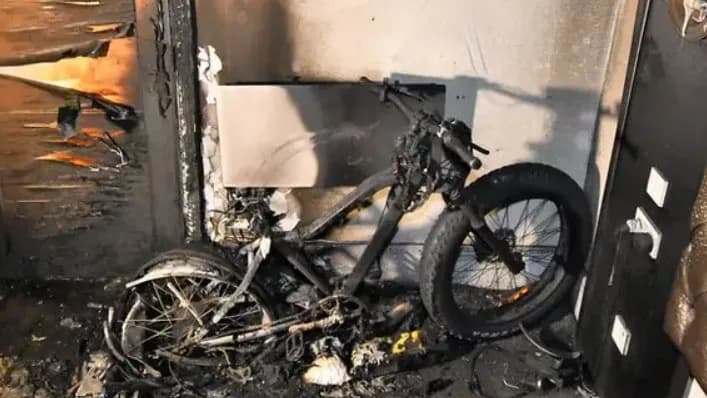
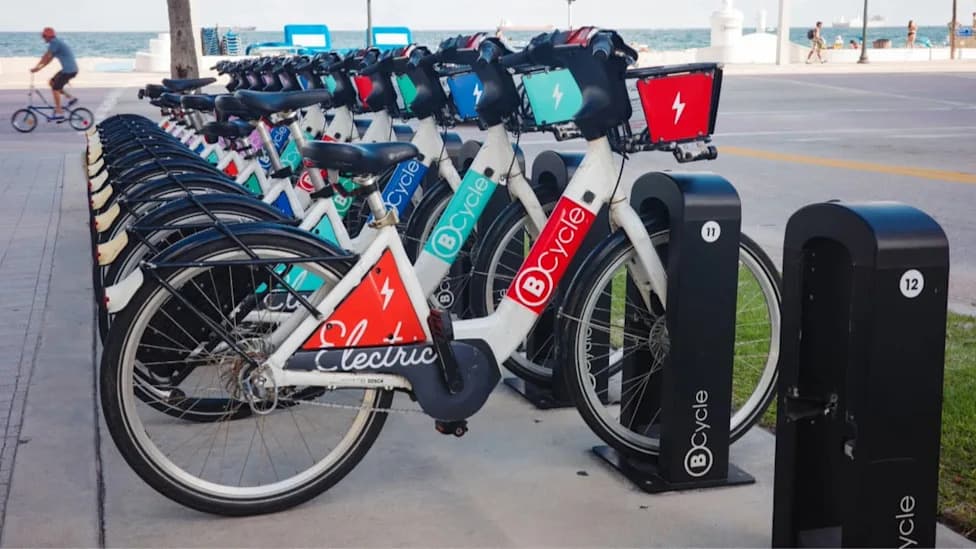
The charging of a lithium‑ion e‑bike battery exploded in a Winooski, Vermont condo shortly after 5 p.m., igniting a mattress and forcing evacuations. Firefighters from Winooski and Burlington extinguished the blaze in about five minutes, and two tenants were taken to UVM Medical Center. Water damage left 12 residents temporarily displaced. Officials urged precautions—charging outdoors when possible, disconnecting batteries, avoiding soft surfaces, using the manufacturer’s charger, and ensuring working smoke alarms.
Charging E‑Bike Battery Explodes in Winooski Condo, Displacing 12 Residents
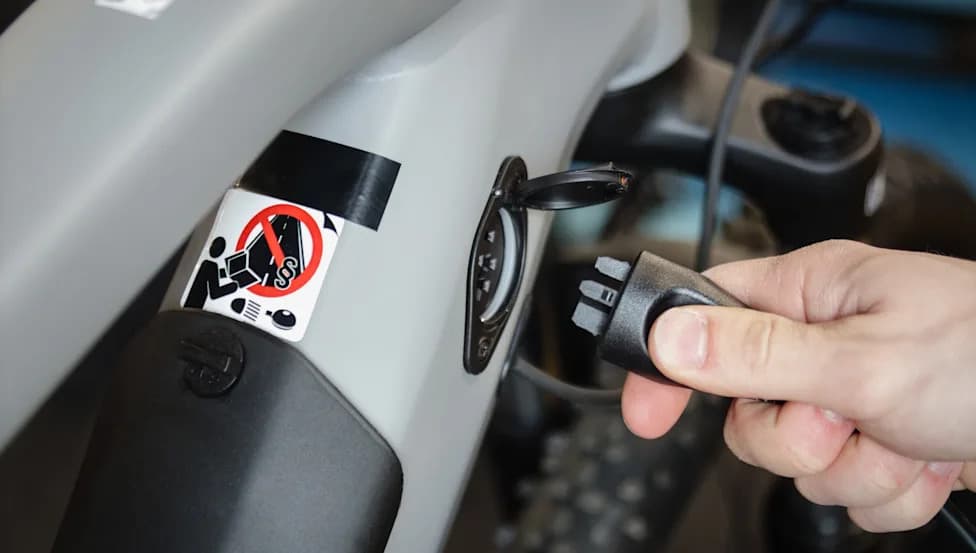
Photo Credit: iStock
A charging e‑bike lithium‑ion battery exploded in a bedroom of a condominium row home on Elm Street in Winooski, Vermont, shortly after 5 p.m., igniting a mattress and triggering an evacuation of neighboring units.
Firefighters from the Winooski Fire Department, aided by the Burlington Fire Department, arrived on scene and contained the blaze in about five minutes, limiting structural damage to the adjacent row homes. Two tenants from the unit where the battery was charging were transported to UVM Medical Center for treatment.
Although crews extinguished the flames quickly, significant water damage prevented 12 residents across the row homes from returning that night. Those displaced are coordinating next steps with the landlord and local officials.
How These Fires Start
Lithium‑ion batteries are widely used in e‑bikes and many personal devices because they store a large amount of energy in a compact package. That energy density, however, can allow fires to ignite and spread rapidly when batteries fail, are damaged, or experience charging faults—especially if they are left charging near flammable materials such as mattresses, couches, or curtains.
Safer Alternatives and Research
Researchers are actively pursuing safer battery chemistries and designs. Simpler zinc‑based cells are one potential option, and experimental approaches that combine zinc with natural materials—such as chitin from crustacean shells—are being explored in laboratories. While promising, these alternatives will require additional development and scaled manufacturing before they are widely available.
Fire Safety Tips
Winooski fire officials recommend several precautions to reduce the risk of battery‑related fires:
- Charge and store batteries outdoors or in well‑ventilated areas when feasible.
- Disconnect removable batteries from the e‑bike before charging.
- Avoid charging batteries on or near soft furnishings and other combustible surfaces.
- Use the charger specified by the battery manufacturer and avoid third‑party chargers of unknown compatibility.
- Inspect batteries and chargers for signs of damage, swelling, burning smell, or overheating and stop using any unit that shows problems.
- Make sure smoke alarms are installed and functional in sleeping areas and common rooms.
- If you discover a battery that is smoking or on fire, evacuate immediately and call emergency services—do not try to move a burning battery.
Local authorities remind residents that prompt reporting, quick evacuation, and basic battery safety can help limit injuries and property loss when battery‑related incidents occur.
Help us improve.