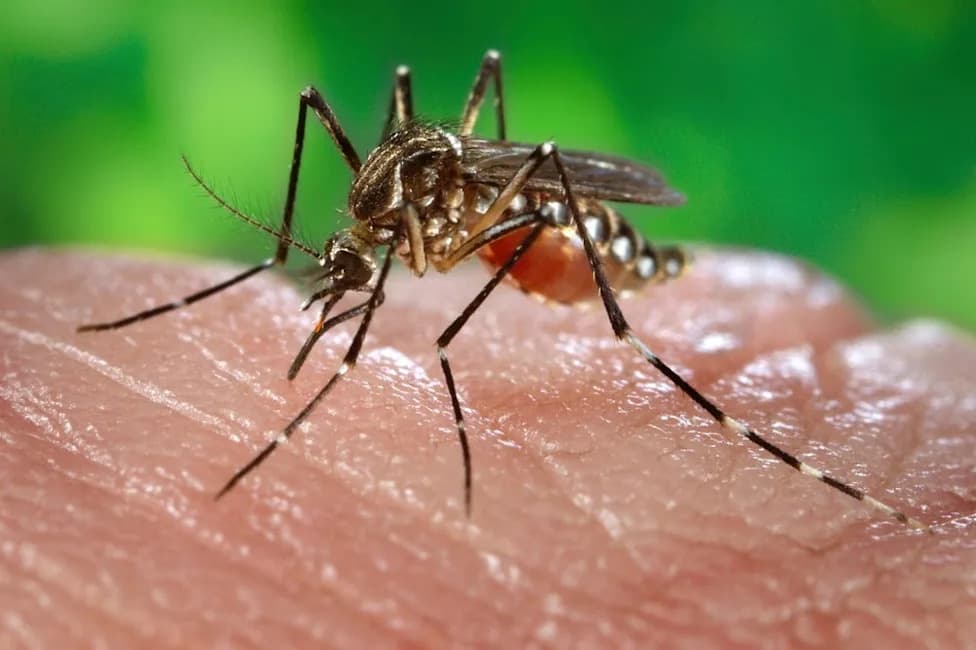
Bee Safe Mosquito Control is running the first US residential program to release Wolbachia-infected male Aedes albopictus, with 600,000 planned releases by the end of summer. The males do not bite and cause eggs from matings with uninfected females to be non-viable; 25 households are enrolled in a 16-week program delivering 1,500 males weekly. Results vary by local conditions and scale, and experts note an alternative strategy that spreads Wolbachia through populations to block disease transmission. The effort responds to longer mosquito seasons and homeowner concerns about chemical pesticides.
US Startup Releases 600,000 Wolbachia-Carrying Mosquitoes to Cut Backyard Bites
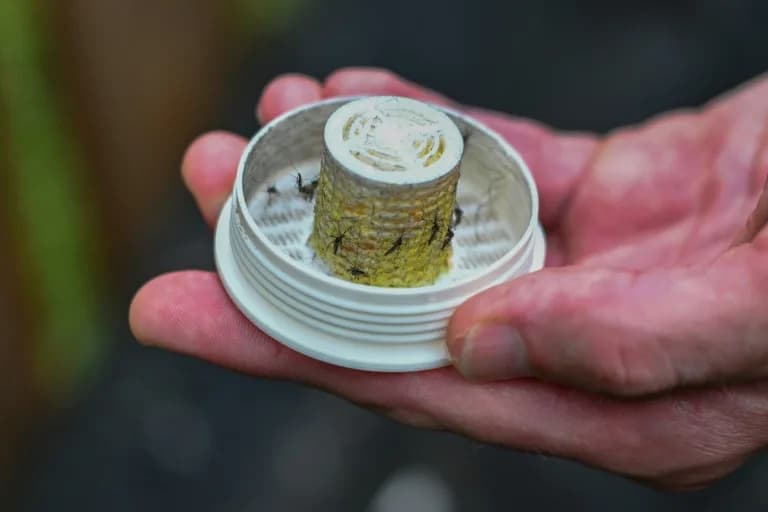
Wolbachia bacteria is being used in a bid to control mosquito populations (Alex WROBLEWSKI)
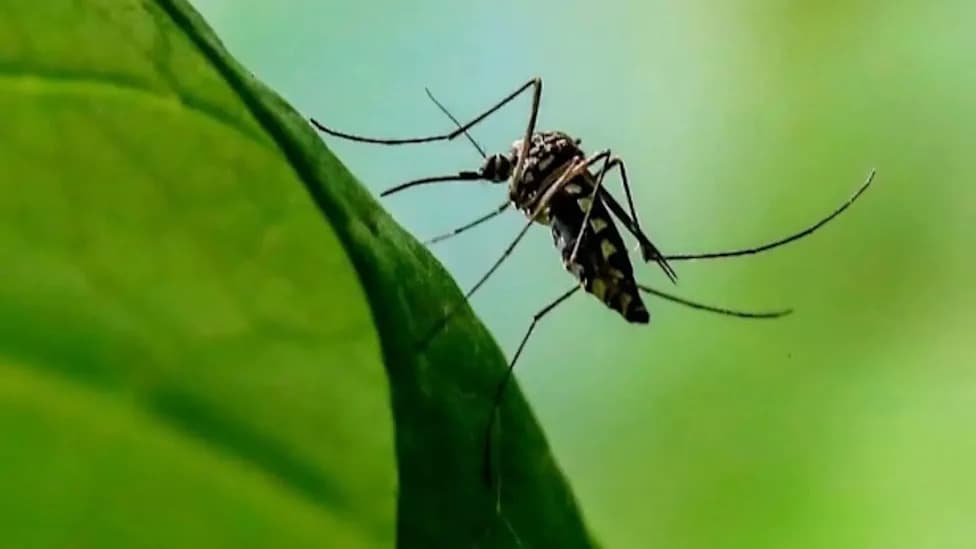
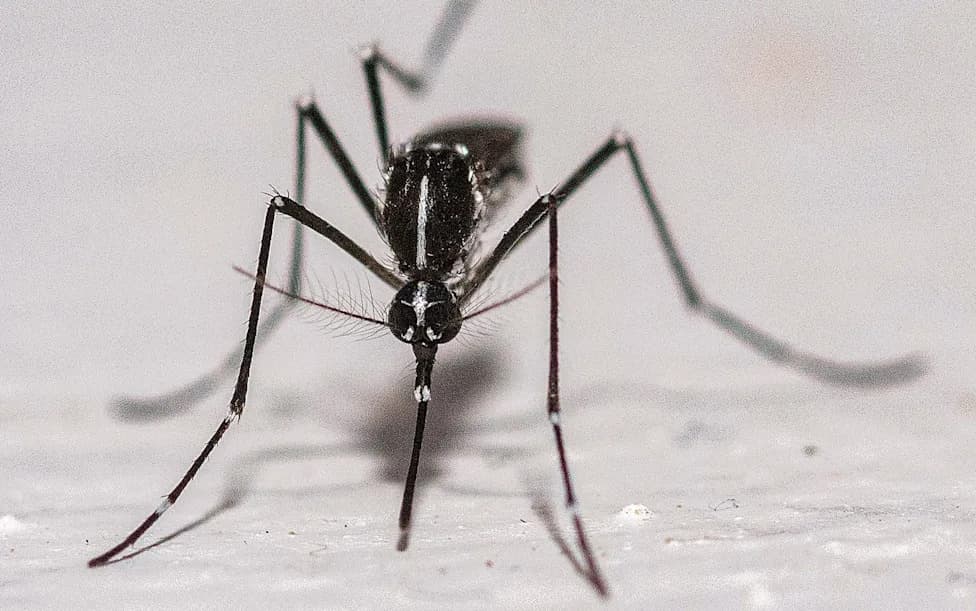
Todd Montgomery lifts the cap from a small release tube and empties hundreds of male tiger mosquitoes into the backyard of a suburban home near Washington. He is not playing a prank: these male Aedes albopictus do not bite and have been infected with the naturally occurring bacterium Wolbachia. When such males mate with uninfected females, the resulting eggs fail to hatch.
This marks the first residential-focused deployment of its kind in the United States. Montgomery's startup, Bee Safe Mosquito Control, plans to release 600,000 Wolbachia-infected tiger mosquitoes across the region by the end of the summer under a product called ZAP Males.
"With climate change, we're sitting on a ticking time bomb," Montgomery, 32, told AFP.
How the Method Works
Wolbachia is a common bacterium found in many insect species. Scientists exploit a reproductive quirk: when a Wolbachia-carrying male mates with an uninfected female or one carrying an incompatible Wolbachia strain, the eggs become non-viable. Because the released insects are male, they do not bite and pose no direct risk to humans or pets.
Why Homeowners Are Interested
Warmer, wetter weather in many parts of the United States has extended mosquito seasons, increasing the appeal of novel control methods. Many homeowners worry about chemical sprays that contain compounds like bifenthrin, sometimes labeled a "forever chemical" and classified as a possible human carcinogen. Bee Safe markets ZAP Males as a pesticide-free alternative for residential yards.
Real-World Results And Limitations
So far, 25 households have enrolled. Each receives 1,500 Wolbachia-infected males per week for a 16-week program. Some customers report dramatic relief: Sandra Marquardt, 67, says the releases have allowed her to dine and garden outside without constant bites. Others, like Silver Spring resident April Chunko, report slower or less noticeable improvements, especially where properties border woods or untreated areas.
Experts caution that outcomes depend on local geography, mosquito migration, and the scale of releases. Marcelo Jacobs-Lorena, professor emeritus at Johns Hopkins University, notes wind and nearby untreated habitats can reduce local effectiveness, and that suppression efforts may require sustained work over multiple seasons.
Alternative Wolbachia Strategies And Larger Programs
Different Wolbachia strategies exist. Instead of releasing only males to suppress numbers, some programs release both males and females carrying the same Wolbachia strain so the bacterium spreads through the population. That approach does not reduce mosquito abundance but can block the insects ability to transmit viruses such as dengue, Zika and chikungunya.
Public-sector efforts show promise: Singapore's Project Wolbachia, launched in 2016, now releases more than 10 million modified mosquitoes weekly. A New England Journal of Medicine study found similar releases significantly cut Aedes aegypti numbers and reduced dengue risk by more than 70 percent. In the United States, Google applied this spring for permits to release 32 million modified mosquitoes in parts of Florida and California.
Business Outlook
Montgomery, a former electrical engineer who founded Bee Safe in 2023 and is pursuing a master's degree in entomology, says demand is strong. The service is fully booked for the year and he is taking reservations for 2027. "The ultimate barometer of success for us: are our customers happy enough with the service that they want to return again next year?" he said. For now, many customers appear to be.
Help us improve.