Scientists believe certain autoantibodies — antibodies that wrongly target the body’s own molecules — could be harnessed to influence cancer susceptibility and outcomes. Researchers have already found auto-Abs that bind roughly a dozen of the ~50 cytokines that regulate immunity, findings that informed immunotherapies such as checkpoint inhibitors and CAR-T cells. A large study will map auto-Abs across diverse volunteers, including heavy smokers and centenarians, to identify antibodies that protect against or promote cancer. The team will also investigate 80+ gene mutations that weaken infection defence to see if they affect cancer risk.
Autoantibodies Could Be Trained To Help Fight Cancer, Researchers Say

Protein linked to autoimmune diseases could be trained to fight cancer, scientists say
Researchers propose that a class of immune proteins known as autoantibodies — antibodies that mistakenly target the body’s own molecules — might be repurposed or guided to influence cancer risk and disease progression. New work aims to map these antibody landscapes across large and diverse groups to identify antibodies that protect against cancer or alter its course.
How Antibodies and Autoantibodies Work
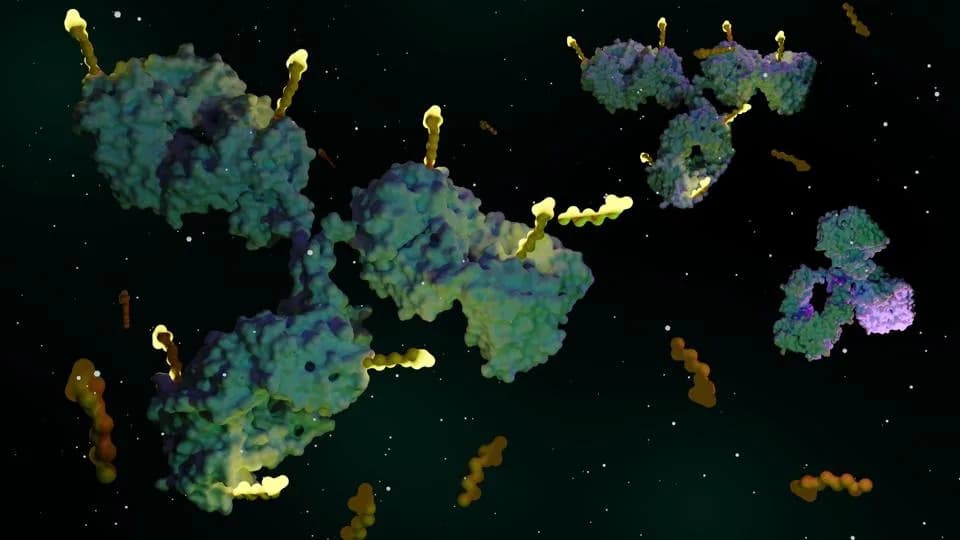
Our immune system randomly generates billions of distinct antibody molecules. Antibodies bind to structures on bacteria, viruses, fungi, toxins or allergens, helping the body by tagging invaders for destruction or neutralising them directly. In some people, however, antibodies can incorrectly attach to normal molecules in the body, prompting immune attacks on healthy cells — these are called autoantibodies, or auto-Abs.

Close up picture of woman lighting up a cigarette (Alamy/PA)
Why Autoantibodies Matter For Cancer
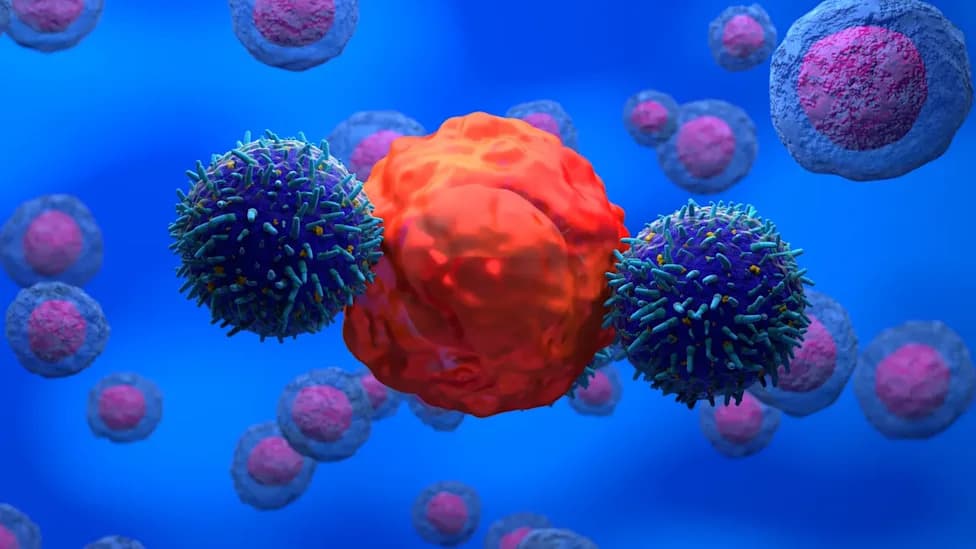
Previous research has shown that some auto-Abs target molecules the immune system uses to combat infections, including roughly a dozen of the ~50 known immune-signalling proteins called cytokines. That insight has helped fuel the development of modern immunotherapies such as checkpoint inhibitors and chimeric antigen receptor (CAR)-T cell treatments, supporting the idea that antibody repertoires can shape cancer immunosurveillance.
"There is ample evidence that the immune system plays a significant role in cancer," said Laurent Casanova, professor at the Children’s Medical Center Research Institute at UT Southwestern. "Our job will be to determine if there are auto-Abs that could offer protection against cancer or drive cancer outcomes."
The Planned Study And Broader Goals
The team plans to catalogue and analyse auto-Abs in a large, diverse cohort that includes people with genetic syndromes or behaviours that increase cancer risk — for example, heavy smokers — as well as older adults, including centenarians. By comparing antibody profiles from cancer-free, at-risk, and cancer-affected individuals, researchers hope to identify antibodies that affect susceptibility and outcomes and to develop new prevention or treatment strategies.
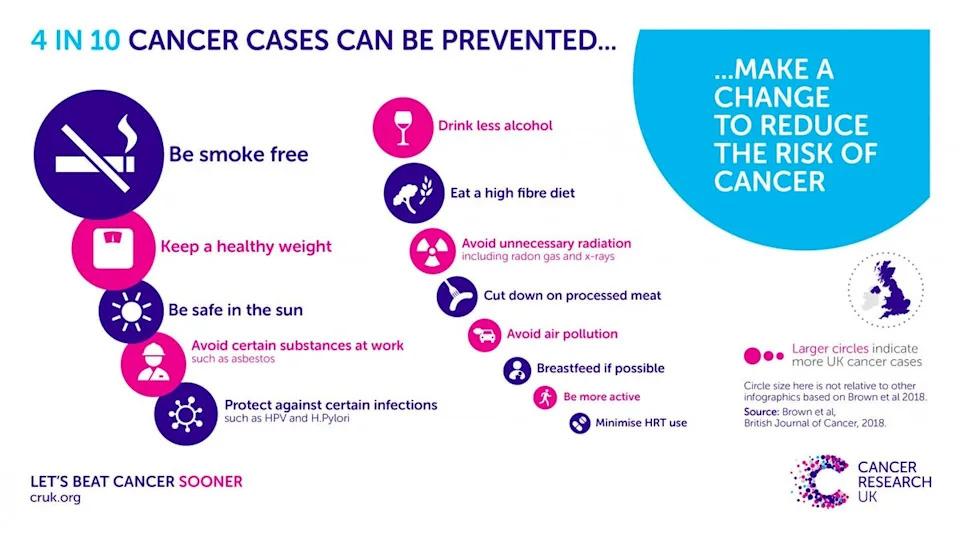
Preventable cancer risk factors (Cancer Research UK via Eurekalert)
Separately, investigators have identified more than 80 genes whose mutations impair the body’s ability to fight infections such as influenza and Covid-19. These inherited immunity errors will be studied further to see whether they also influence cancer risk.
Implications And Next Steps
If researchers can identify autoantibodies that protect against cancer or modify disease trajectories, those antibodies could become the basis for new diagnostics or therapies. Mapping antibody landscapes broadly could also explain why some people stay cancer-free despite long-term exposure to risk factors, and it may suggest tailored ways to boost beneficial immune responses while limiting harmful autoimmunity.
Help us improve.