This Phase 1 trial gave personalized neoantigen vaccines to nine patients with clear cell renal cell carcinoma after tumor-removing surgery. Over a median follow-up of about 3 years and 4 months, none experienced recurrence, and all developed durable vaccine-specific T-cell responses; in seven cases those T cells recognized the patient's own tumor cells in the lab. The trial was small and nonrandomized, so it cannot prove the vaccine prevented relapse. Larger randomized studies such as INTerpath-004 are needed to determine whether personalized vaccines improve clinical outcomes.
Personalized Kidney Cancer Vaccine: No Recurrence in Nine Patients After More Than 3 Years — Strong Immune Signals, But Larger Trials Needed

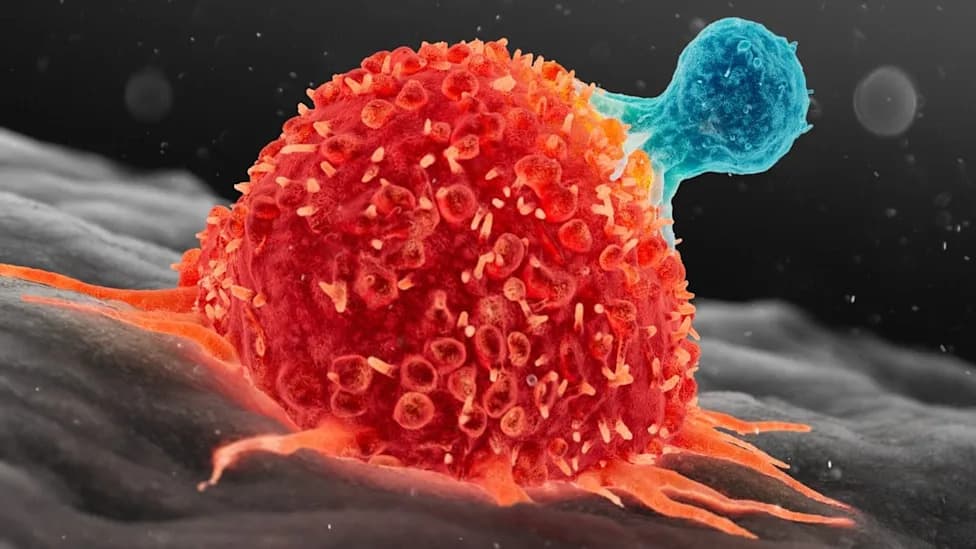
(Catherine Falls Commercial/Moment/Getty Images)
A small Phase 1 study tested individualized neoantigen vaccines in nine people with clear cell renal cell carcinoma who had undergone complete surgical removal of their tumors. Over a median follow-up of about 3 years and 4 months, none of the nine patients experienced disease recurrence.
What the Study Did
Researchers sequenced each patient’s tumor to identify neoantigens—mutant protein fragments that differ from normal tissue and can serve as immune targets. They then manufactured a personalized vaccine for every participant. Five patients also received a local injection of the immunotherapy drug ipilimumab near the vaccination site; the other four received the vaccine alone.
Key Immune and Safety Findings
- Durable Immune Responses: All nine patients developed vaccine-specific T-cell responses that persisted for years.
- Tumor Recognition Ex Vivo: In laboratory tests using viable tumor cells preserved from surgery, vaccine-reactive T cells recognized the patient’s own tumor in seven of nine cases.
- Safety: Most side effects were mild, including injection-site reactions and short-lived flu-like symptoms. No treatment-related adverse events of grade 3 or higher were reported.
Important Limitations
While the immune results are encouraging, this was a small, nonrandomized Phase 1 trial designed primarily to assess safety and immune activity. Without a control group, the study cannot determine whether vaccination prevented recurrence or how many patients would have remained recurrence-free without it. The small sample size also prevents conclusions about whether adding local ipilimumab improved immune or clinical outcomes.
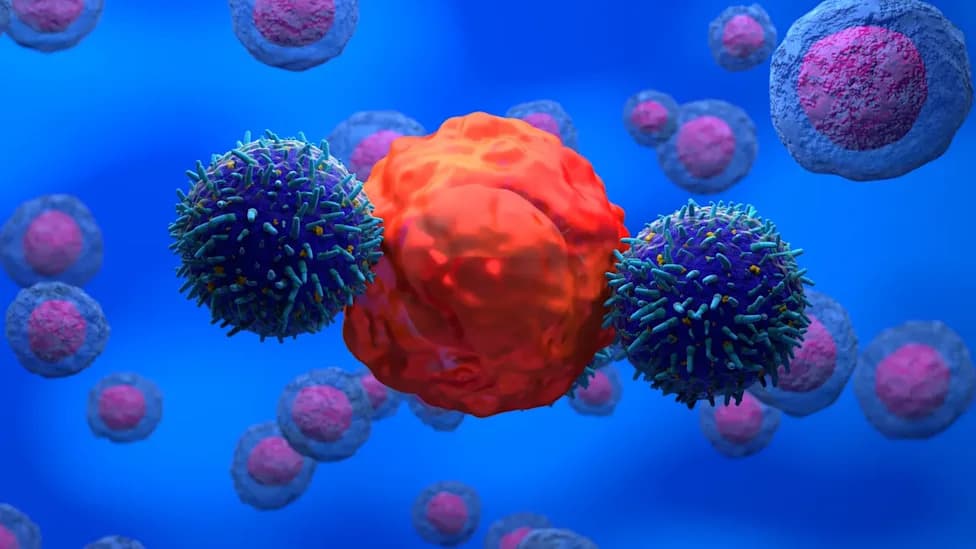
(TrueCreatives/Canva)
Kidney tumors generally carry fewer mutations than cancers such as melanoma, which can make finding suitable neoantigen targets more challenging. Despite that, the research team successfully designed and produced a personalized vaccine for every participant.
"With the limited number of patients, we must be cautious with further interpretation," said David Braun (Yale University) and Toni Choueiri (Dana-Farber Cancer Institute and Harvard Medical School) in a joint comment to ScienceAlert.
What Comes Next
The findings demonstrate feasibility: personalized neoantigen vaccines for clear cell renal cell carcinoma can be produced and can elicit durable T-cell responses, including recognition of patients’ own tumors ex vivo. However, whether such vaccines improve long-term outcomes remains unknown. Larger randomized trials are required to test clinical benefit; the team pointed to INTerpath-004, a randomized study testing a different personalized mRNA-based vaccine given with pembrolizumab versus placebo plus pembrolizumab.
The study has been published in Nature.
Help us improve.