The GAO found that many of Doge’s headline savings reported on its "Wall of Receipts" are overstated or lack adequate supporting evidence, calling the figures unreliable. The audit said methods were opaque and that 96% of reported savings could not be verified. It highlighted examples including leases that were already ending (about $15.3m) and a claimed $1.7bn defence contract saving that never materialized. The review, requested by Senators Peters and Blumenthal, covered data from 20 January 2025 through 7 July 2026.
GAO Audit Finds Doge’s $110bn ‘Wall of Receipts’ Claims Overstated and Largely Unverifiable
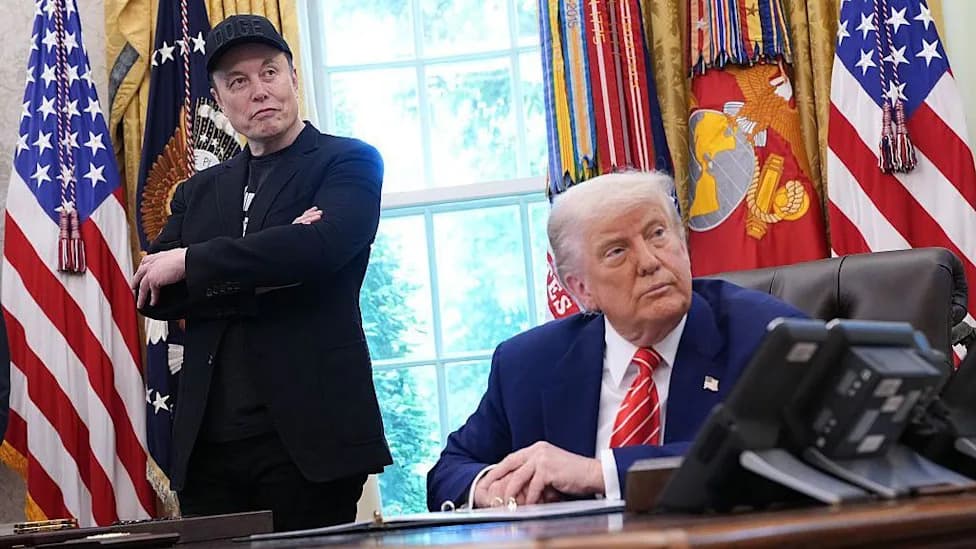
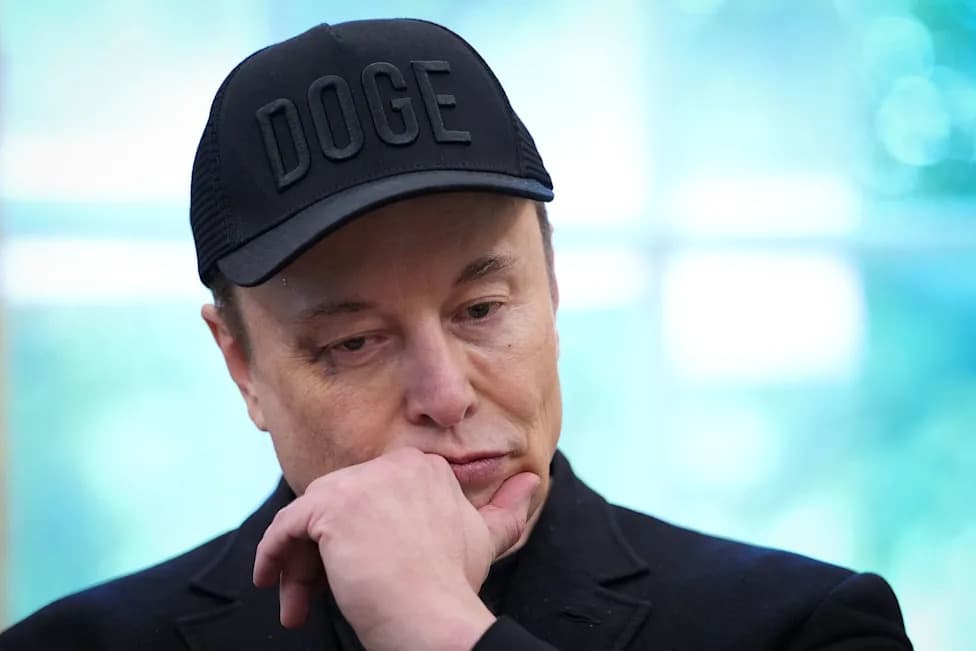
Elon Musk (left) was formerly in charge of Doge [Getty Images]
A Government Accountability Office (GAO) audit has concluded that many of the savings claims published by Doge — the so‑called Department of Government Efficiency — are overstated, opaque, or lack adequate supporting evidence. Doge’s online "Wall of Receipts," which listed about $110bn in savings across contracts, grants and leases, does not provide reliable documentation for most of those figures, the GAO found.
Key Findings
The GAO report identified multiple problems that limit the transparency and reliability of Doge’s reported savings:
- Verifiability: Doge did not provide sufficient information to verify the method used to calculate 96% of its reported savings.
- Duplicate or Preexisting Actions: Of 264 leases Doge listed as terminated, 108 were already in the process of ending before Doge existed — accounting for about $15.3m of the $53.5m in lease savings reported.
- Unrealized Savings: Some large items were claimed but never materialized — for example, a $1.7bn saving tied to cancelling a Department of Defense IT contract, which the GAO found was not terminated and therefore produced no savings.
- Data Limitations: The Wall of Receipts provided some data sources but did not sufficiently disclose limitations affecting data quality or the assumptions underlying estimates.
Context and Reactions
Doge began operating at the start of President Trump's second term and closed last month. Although not a formal federal agency, it published an online ledger of its asserted taxpayer savings; its website at one point claimed an estimated $214bn in savings overall. Elon Musk, who briefly led Doge before leaving in May 2025, had earlier suggested the initiative could cut as much as $2tn a year through workforce reductions and program eliminations.
"Several issues limit the transparency and reliability of these reported savings," the GAO wrote.
The audit covered Doge’s reported savings from 20 January 2025 through 7 July 2026 and was conducted at the request of Democratic Senators Gary Peters and Richard Blumenthal. Senator Peters said: "Everyone supports rooting out waste, fraud, and abuse in the federal government, but Doge was a slapdash and deceptive effort that misled the American people while doing real damage to the government's ability to serve them."
A White House official told the GAO that the administration requires staff to complete ethics training and follow financial disclosure requirements. Doge’s closure was announced on social media, where the group said the formal mission had ended but that efforts to eliminate waste, fraud and abuse would continue.
Implications
The GAO’s findings raise questions about how savings are estimated and presented to the public. The report underscores the importance of transparent methodologies, clear documentation, and independent verification when agencies or initiatives claim large taxpayer savings. Lawmakers and auditors may use this report to press for clearer standards and accountability in future cost‑cutting efforts.
Help us improve.