The GOP-led Senate Homeland Security Committee voted 8-5 to hold Dr. Anthony Fauci in contempt after he invoked the Fifth Amendment repeatedly during a subpoenaed hearing about COVID-19 origins. Chairman Sen. Rand Paul said he would refer the committee's recommendation directly to the Justice Department; an aide later confirmed the referral was sent. Fauci's lawyer called the move a political stunt, while Democrats warned the vote sets a dangerous precedent and said contempt is punitive rather than a tool to compel testimony.
Senate Homeland Security Committee Votes 8-5 To Hold Dr. Anthony Fauci In Contempt

Sen. Rand Paul arrives at a Senate Homeland Security Committee meeting on Aug. 6, 2026 in Washington, D.C. / Credit: Anna Moneymaker / Getty Images
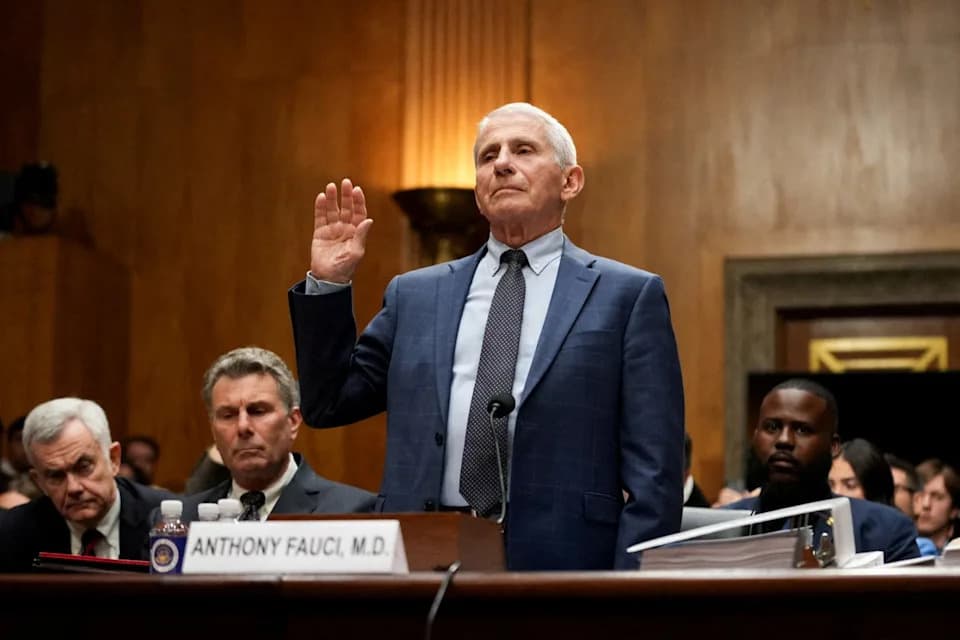
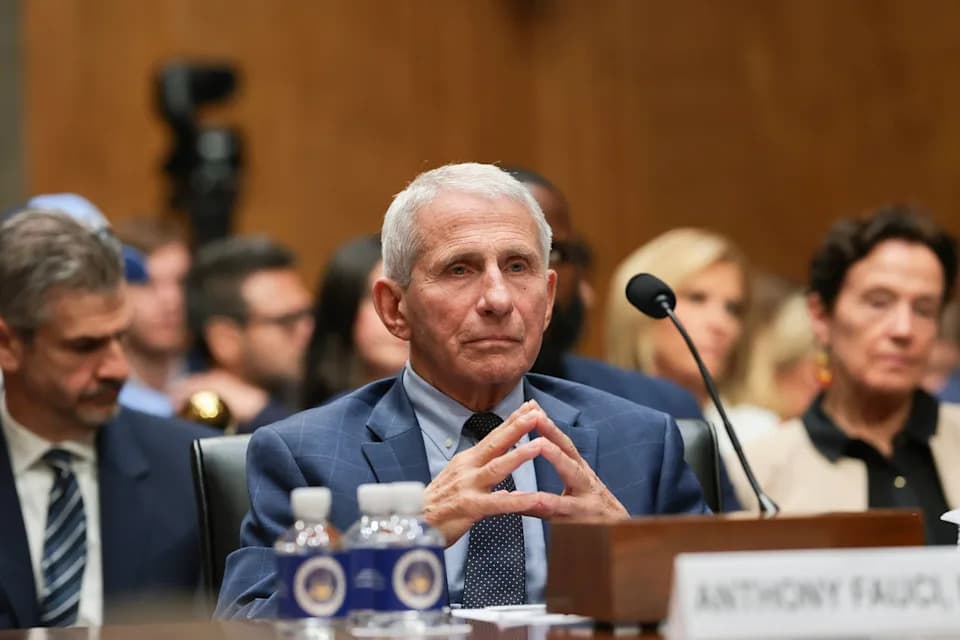
The Senate Homeland Security Committee voted 8-5 on Thursday to hold Dr. Anthony Fauci in contempt of Congress after he repeatedly invoked the Fifth Amendment and declined to answer questions during a subpoenaed hearing about the origins of COVID-19.
Committee Chairman Sen. Rand Paul defended the move, saying the contempt power exists for situations where a witness refuses to comply with a lawful committee order. "Holding a witness in contempt is a serious thing, and it should be rare," Paul said, adding that he would refer the committee's recommendation directly to the Justice Department rather than awaiting a full Senate vote.
Fauci's counsel, David Schertler, denounced the action as politically motivated. "This is a crude political stunt intended to punish Dr. Fauci for exercising his constitutional rights," Schertler said, praising Fauci's decades in public health and arguing the contempt vote amounted to an abuse of congressional power.
At last week's hearing, Fauci asserted the Fifth Amendment in response to every question posed by the panel — a total of 111 times, according to the committee record. The invocation came after Sen. Paul released more than 1,000 pages of Fauci's journal entries from his time leading the federal response to the pandemic. Fauci said the release and the line of questioning reflected an effort to secure statements that would support calls for his prosecution.
Paul and other Republicans on the committee have argued that Fauci's ability to assert the privilege is complicated by claims that he may be insulated from prosecution by a broad federal pardon. Fauci's attorney has said his client "has solid legal ground" for invoking the Fifth, while Paul characterized the question as an unresolved legal issue that the committee must confront.
Democrats on the committee vigorously opposed the contempt resolution. Sen. Gary Peters, the panel's top Democrat, warned the vote would set a dangerous precedent, saying criminal contempt is punitive and does not compel testimony. Democrats repeatedly sought to table or postpone the vote, but the GOP majority pressed it forward.
If transmitted to the Justice Department, prosecutors will decide whether to pursue criminal contempt charges — a decision outside the committee's authority. While committees typically forward contempt findings to the full Senate, Paul said he intended to send the referral to DOJ without delay; a congressional aide later confirmed the referral was transmitted.
Practical prospects for any Senate floor action are uncertain. Contempt matters are rarely resolved without bipartisan support, and most measures in the Senate require broad backing to advance. The article notes prior high-profile contempt referrals tied to the Jan. 6 investigations, when the Justice Department pursued charges against some witnesses subpoenaed by Congress.
Why it matters: The vote highlights ongoing partisan tensions over congressional oversight of pandemic-era officials, the legal scope of the Fifth Amendment when invoked repeatedly in a congressional hearing, and the committee's approach to enforcement when witnesses decline to testify.
Help us improve.