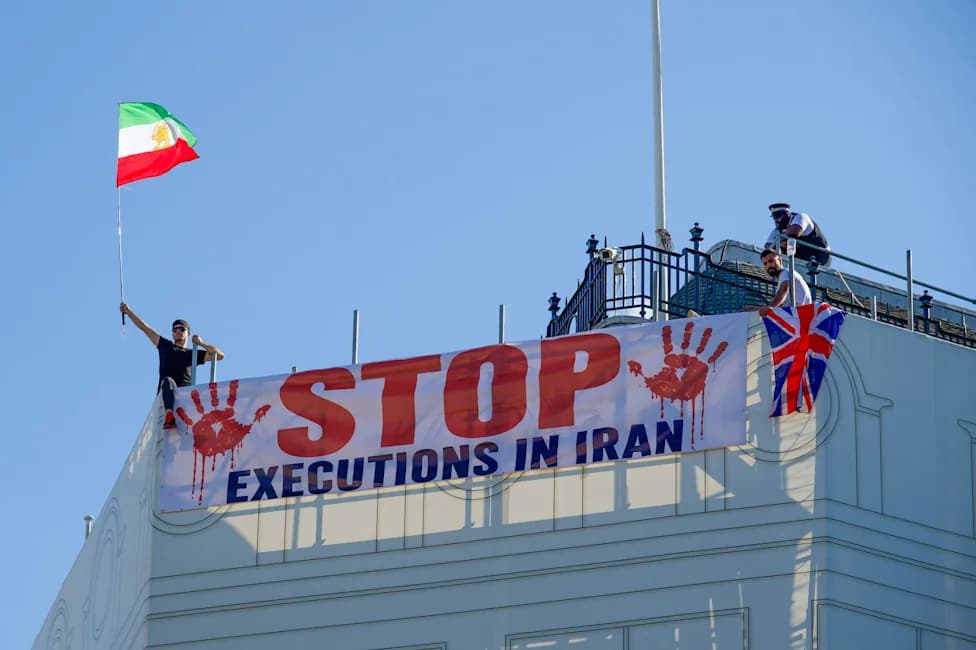
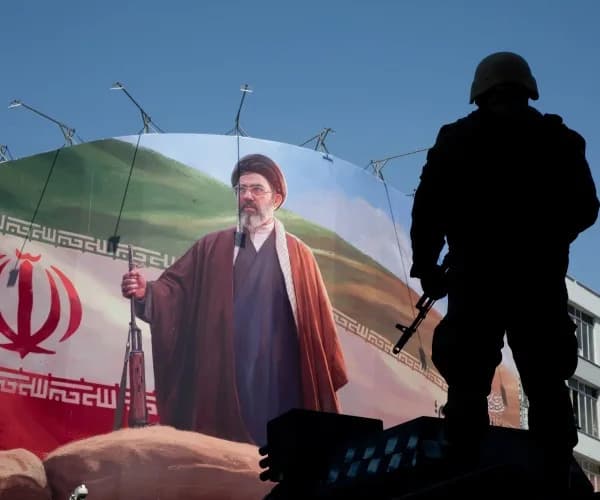
Iran has escalated executions of people linked to the nationwide protests that began in late 2025, using both public hangings and secret pre-dawn executions to intimidate opponents. Rights groups report torture, coerced confessions and unfair trials in Revolutionary Courts, with many sentenced under broadly defined charges and an expanded espionage law. Analysts say the campaign aims to fragment activist networks, spread psychological fear and reassert state control through a multipronged strategy of arrests, convictions and social restrictions.
Iran Intensifies Public and Secret Hangings To Crush Future Uprisings
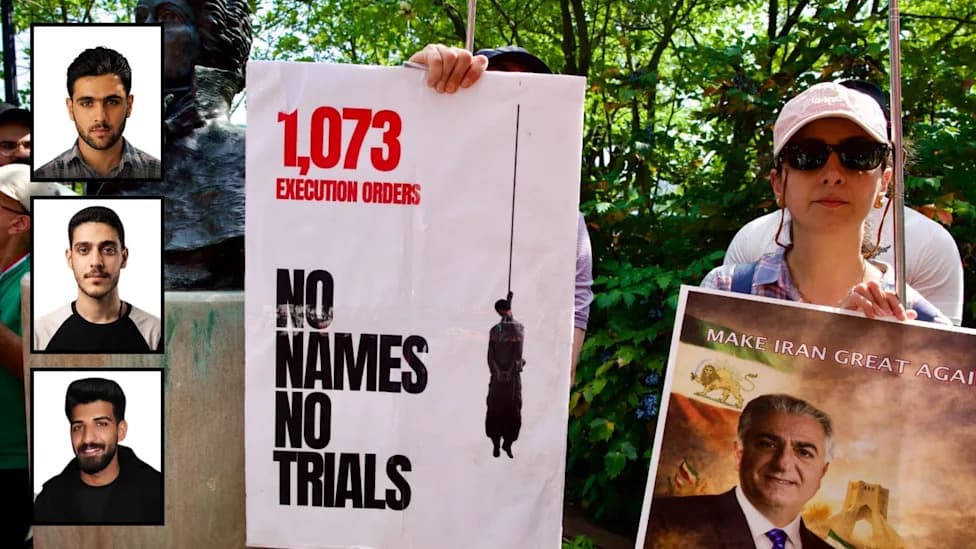
IRAN'S REGIME is using executions to reassert control over society after January's protest. Here, alongside headshots of those executed, demonstrators hold signs as they gather in Washington in May, in support of the Iranian people and to condemn the execution of political prisoners in Iran. (photo credit: Amid Farahi/AFP via Getty Images/Article 27)
Iran has stepped up a campaign of executions targeting people arrested during the mass protests that began in late 2025. Authorities are using both public hangings and secret pre-dawn executions, accompanied by prosecutions in Revolutionary Courts, to intimidate opponents and dismantle activist networks.
What Happened
At dawn on July 28, state security forces publicly hanged Abolfazl Sepahi Badjani and Amirhossein Safari Hosseinabadi in Alikhani Square in Isfahan. Videos circulated online showed security personnel sealing the square overnight and dispersing bystanders who reportedly tried to intervene. Four days earlier, guards at Shahrud Prison hanged Arvin Kheirkhahan without prior notice to his family; relatives were summoned only after his death and ordered to bury him under supervision in the early morning.
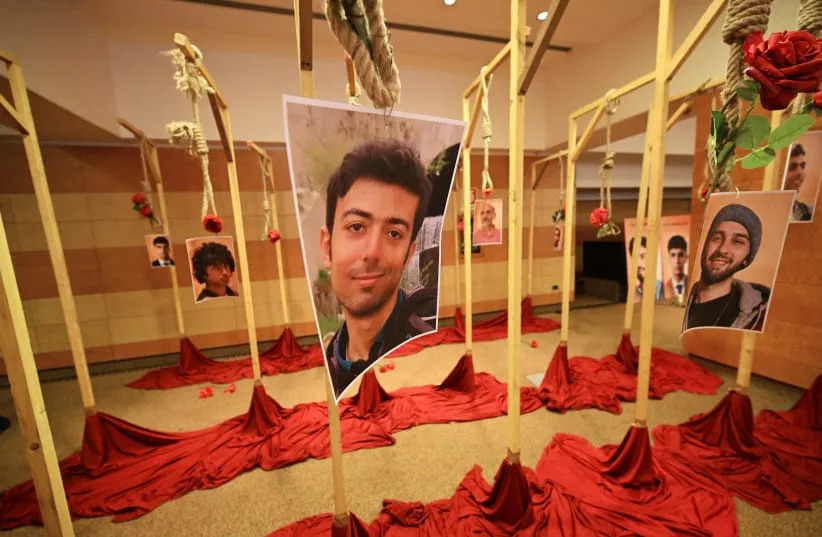
Portraits of Iranian protesters executed by the Iranian regime during protests in Iran are displayed during a demonstration at the Ergife Palace Hotel to condemn the silence of Western governments in the face of the growing wave of Iranian political executions, in Rome on July 16, 2026. (credit: Andreas SOLARO / AFP via Getty Images)
Legal Process and Rights Concerns
Rights groups report that many convictions followed allegations of torture, coerced confessions and denial of independent legal counsel. Detainees from the January unrest were tried in Revolutionary Courts amid claims of enforced disappearance, staged interrogations and other abuses. Amnesty International has documented that numerous protesters face broad charges such as moharebeh ("enmity against God") and efsad-e fel-arz ("spreading corruption on Earth"), and that some were tried under an expanded espionage law.
Scale, Motive And Messaging
By July 28, at least 26 people had been executed in cases linked to the protests, with Amnesty reporting dozens more on death row, including some who were minors at the time of alleged offenses. The executions occur alongside mass arrests, lengthy prison sentences and increased social controls — including renewed enforcement of hijab rules and closures of businesses — that analysts say form a multipronged campaign to reassert state authority.
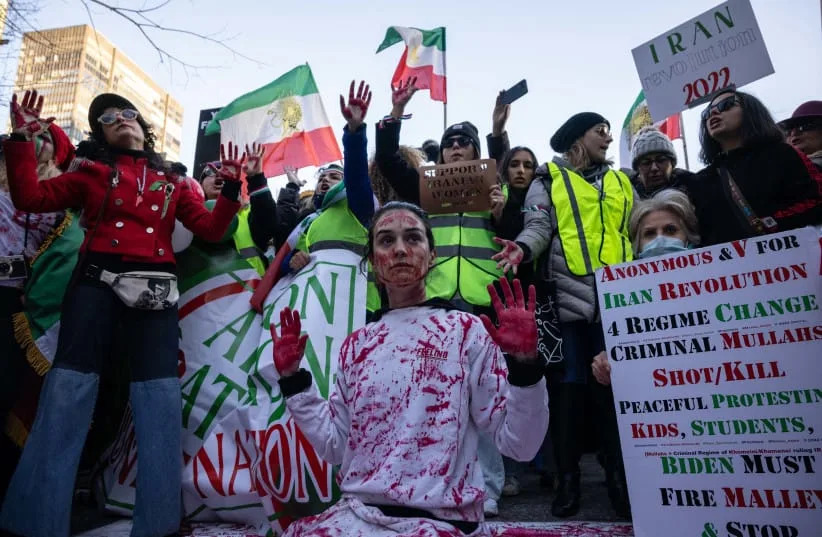
Naz Gharai, from Tehran, is covered in red paint as protesters call on the United Nations to take action against the treatment of women in Iran, following the death of Mahsa Amini while in the custody of the morality police, during a demonstration near UN headquarters in New York City on November 19 (credit: YUKI IWAMURA/AFP via Getty Images)
"If you move, we are going to kill you," said Khosro Isfahani, research director at the National Union for Democracy in Iran, summarizing the intended deterrent effect of the campaign. "If you resist, if you fight back, we are going to find you, arrest you, and hang you."
Tactics: Publicity Versus Secrecy
Public hangings are used to send a visible message of deterrence, while secret executions and rushed burials prevent public gatherings and funerals that could revive protests. State media cycles often precede executions with confessions and narratives that frame protesters as foreign-backed operatives, recasting political dissent as an "American-Zionist" conspiracy in official messaging.
Why It Matters
Analysts say the strategy aims to fragment activist networks by producing long-term psychological effects: a public execution is meant to reverberate through friends, families and colleagues after the momentum of protest has faded. Human-rights organizations warn this approach violates international standards restricting capital punishment to the most serious crimes and raises urgent concerns about due process and torture.
The execution campaign is part of a broader attempt by the state to reassert control over a fractured society — a signal that, even after the streets have quieted, the authorities retain the means to punish and deter future collective action.
Help us improve.