Researchers detected circular, self-splicing intron RNA in both the predatory bacterium Candidatus Velamenicoccus archaeovorus and its archaeal prey Methanothrix soehngenii. The intron’s circular form made it resistant to degradation and allowed it to persist inside prey cells, though the recipient cells appeared nonviable and integration did not occur. The finding provides in vivo evidence that circular intron RNA can move between species, suggesting a new potential mechanism for horizontal gene transfer with implications for genome evolution and RNA-based biotechnology.
Jumping Gene Spotted Crossing Between Microbial Species — A New Route for Horizontal Gene Transfer

This "Jumping Gene" Traveled Between SpeciesYuichiro Chino - Getty Images
Researchers have documented a self-splicing intron moving from a predatory bacterium into its archaeal prey, providing in vivo evidence for a previously unrecognized mechanism of horizontal gene transfer.
What the team found
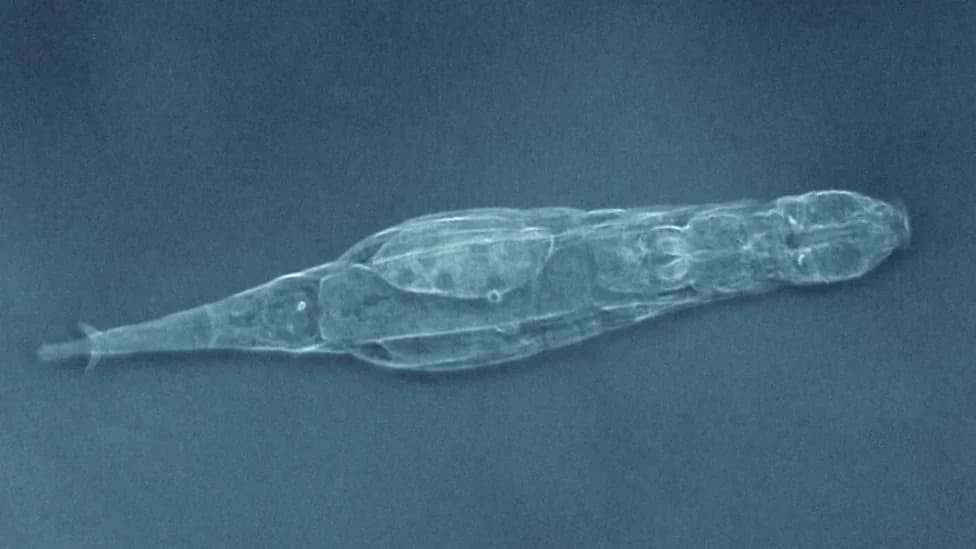
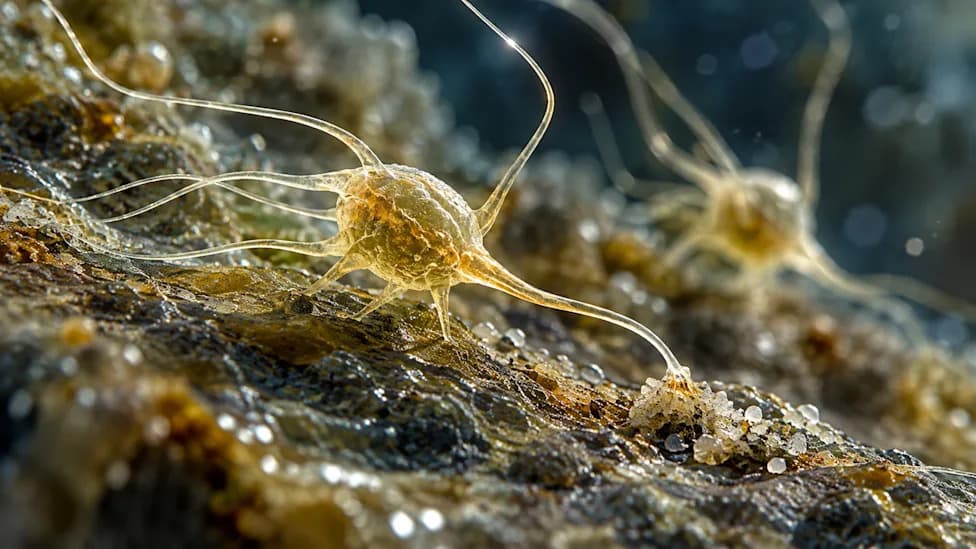
In a study published in Scientific Reports, Jens Harder and colleagues at the Max Planck Institute for Marine Microbiology report detecting circular, self-splicing intron RNA in both the anaerobic predatory bacterium Candidatus Velamenicoccus archaeovorus and its methanogenic archaeal prey Methanothrix soehngenii. The discovery came while the team studied a methane-producing microbial community that degrades limonene, the citrus-scented compound found in peel.
How it moved
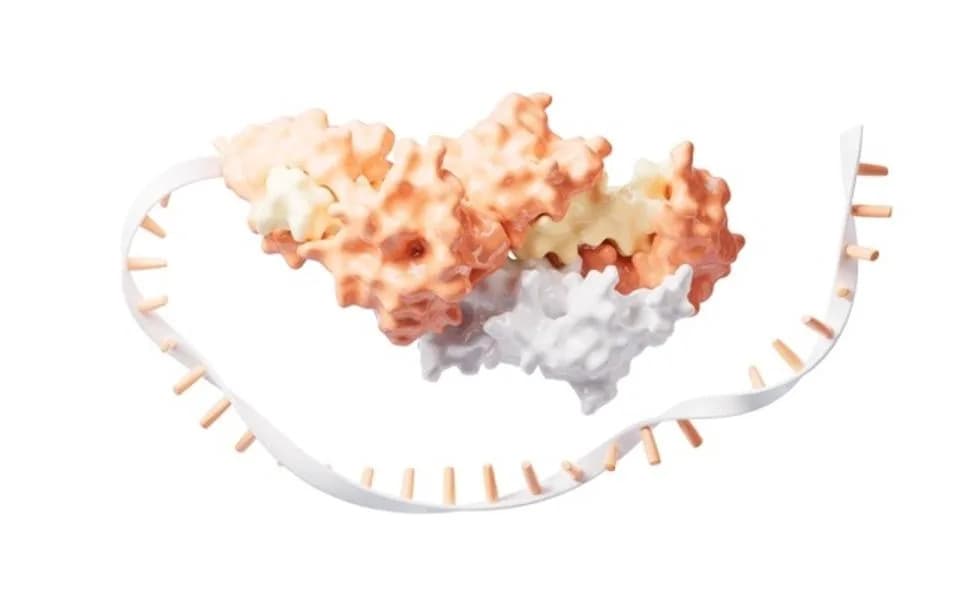
Self-splicing introns carry a ribozyme that allows them to excise from RNA and form circular RNA molecules. Unlike linear RNAs, circular RNAs are resistant to exonuclease decay and can persist longer in the environment or inside cells. Using nucleic-acid probes and microscopy, the researchers detected these circular intron RNAs inside prey cells, indicating intercellular transfer from predator to prey.
“Our study has shown that in microorganisms jumping genes can be transferred to other species via their circular RNA,” Harder and colleagues wrote, highlighting circular RNA as a plausible vehicle for cross-species movement.
Complication: nonviable recipients
Importantly, the M. soehngenii cells that contained the intron RNA appeared to be dead or nonviable, so the intron did not complete stable genomic integration. Nonetheless, the observation demonstrates a key step — RNA-mediated mobility between cells of different species — that is a prerequisite for eventual horizontal gene transfer.
Why this matters
Mobile genetic elements such as introners and other transposable elements are thought to shape genome architecture and accelerate evolutionary change. The new evidence for circular-RNA-mediated transfer expands the set of plausible routes (previously thought to include viruses and plasmids) by which genetic elements cross species barriers. The authors also note possible implications for synthetic biology and RNA-based technologies, including vaccine platforms, where stable circular RNAs are of interest.
Limitations and next steps
The study documents interspecies movement of intron RNA but does not show a completed horizontal transfer event into a living, reproducing host genome. Future work will need to determine how often circular intron RNA reaches viable recipients, whether it can integrate and propagate, and how common this mechanism is across environments and taxa.
Reference: Harder et al., Scientific Reports (study detecting circular self-splicing intron RNA in Candidatus Velamenicoccus archaeovorus and Methanothrix soehngenii).
Help us improve.