The article reviews England’s long, politically charged struggle to control bovine tuberculosis (bTB). Defra’s new Bovine TB Control Strategy shifts emphasis toward vaccinating badgers and cattle, improving testing and biosecurity, and aims for TB-free status by 2038 with a cattle vaccine expected by about 2030. Farmer-led trials in Cornwall vaccinated 265 badgers and reported a fall in bTB prevalence from 16% to 0%, strengthening the case for vaccination as part of a mixed approach. The policy remains politically sensitive and its success will depend on cost, scale and scientific advances such as a reliable DIVA test.
England Reboots Its Badger Strategy: Vaccination, New Costs and a Fragile Political Deal
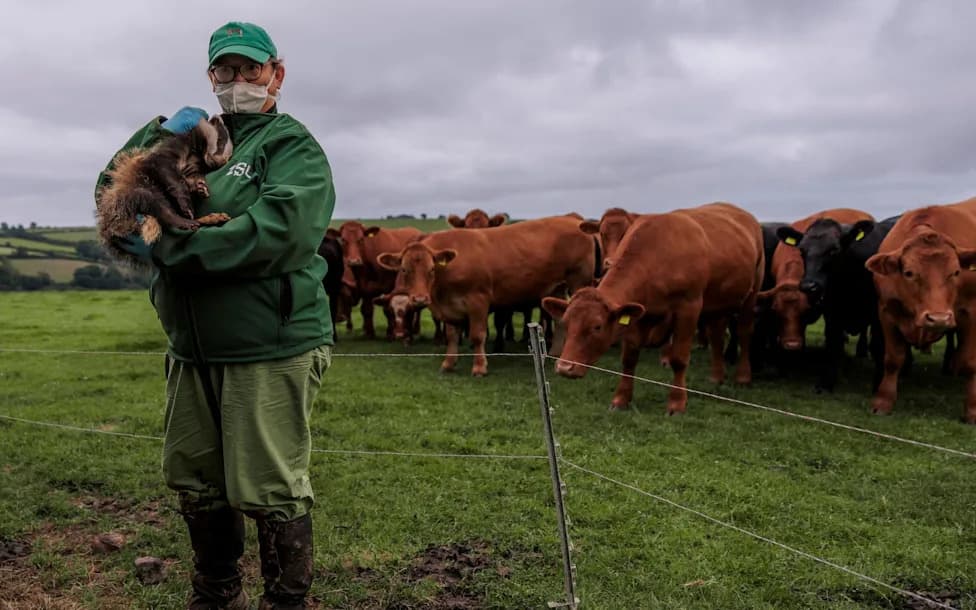
Prof Rosie Woodroffe, pictured with a badger at a farm in Cornwall, wants to change the conversation about how to deal with bovine TB - Matthew Morgan
Cornwall’s coast has long been reshaped for tourists, but inland the countryside remains remarkably unchanged. That bucolic setting nevertheless became the scene of one of England’s most intense badger-control operations: between 2019 and 2024, some 7,427 badgers were legally culled in what the government calls Area 35.
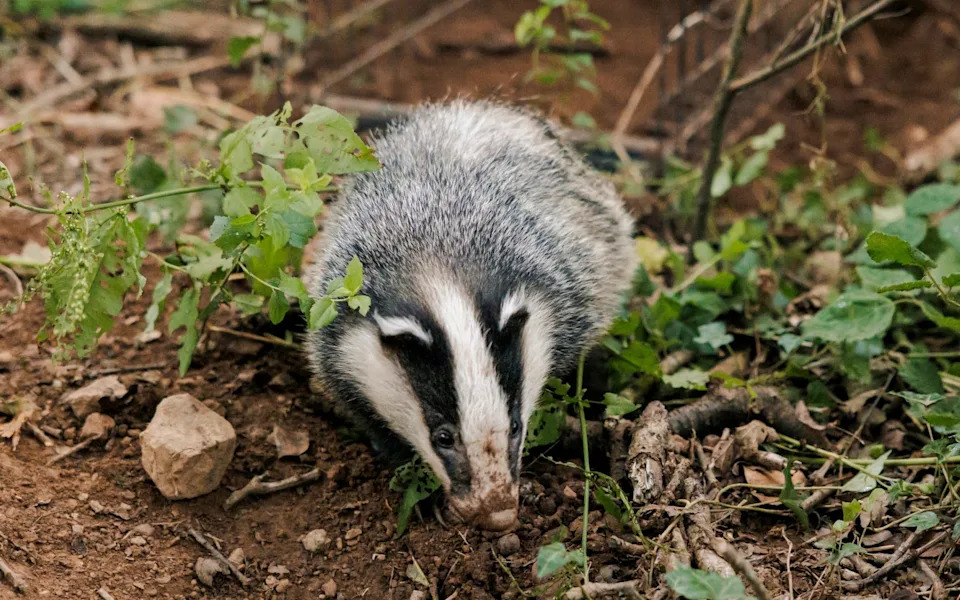
Around half the badgers in England have been culled in efforts to reduce the disease in cattle - Matthew Morgan
Background: A Long, Contested Fight Against bTB
Since 2013, more than a quarter of a million badgers — roughly half of England’s estimated population — have been removed under a government-backed programme intended to reduce bovine tuberculosis (bTB) in cattle. When cattle are infected they must be slaughtered and carcasses cannot be exported, creating substantial direct losses for farmers and consequential costs for taxpayers who fund compensation. In the past decade more than 270,000 cattle have been slaughtered because of bTB.
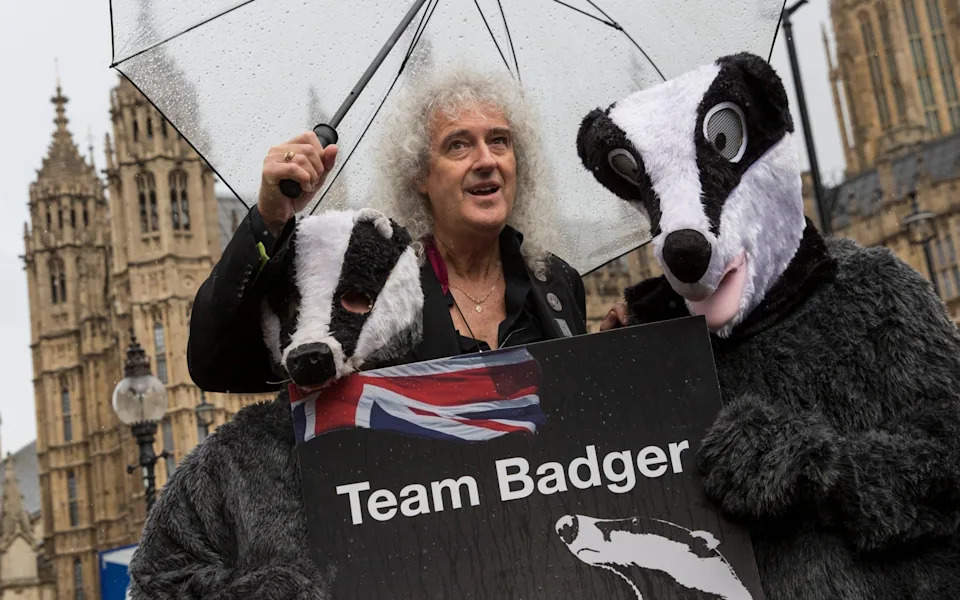
Former Queen guitarist and animal welfare campaigner Brian May is among those who say badgers are not responsible for spreading bovine TB - Dan Kitwood/Getty
The New Strategy: Vaccination and A Renewed Focus On Cattle
The Department for Environment, Food and Rural Affairs (Defra) has set out the Bovine TB Control Strategy for England — the first full policy refresh in more than a decade — that shifts emphasis toward vaccinating both badgers and cattle, improving herd testing and biosecurity, and aiming for a TB-free England by 2038. A cattle vaccine is expected by around 2030, though widespread use will require a validated DIVA (Differentiate Infected from Vaccinated Animals) test to tell vaccinated from infected cattle.
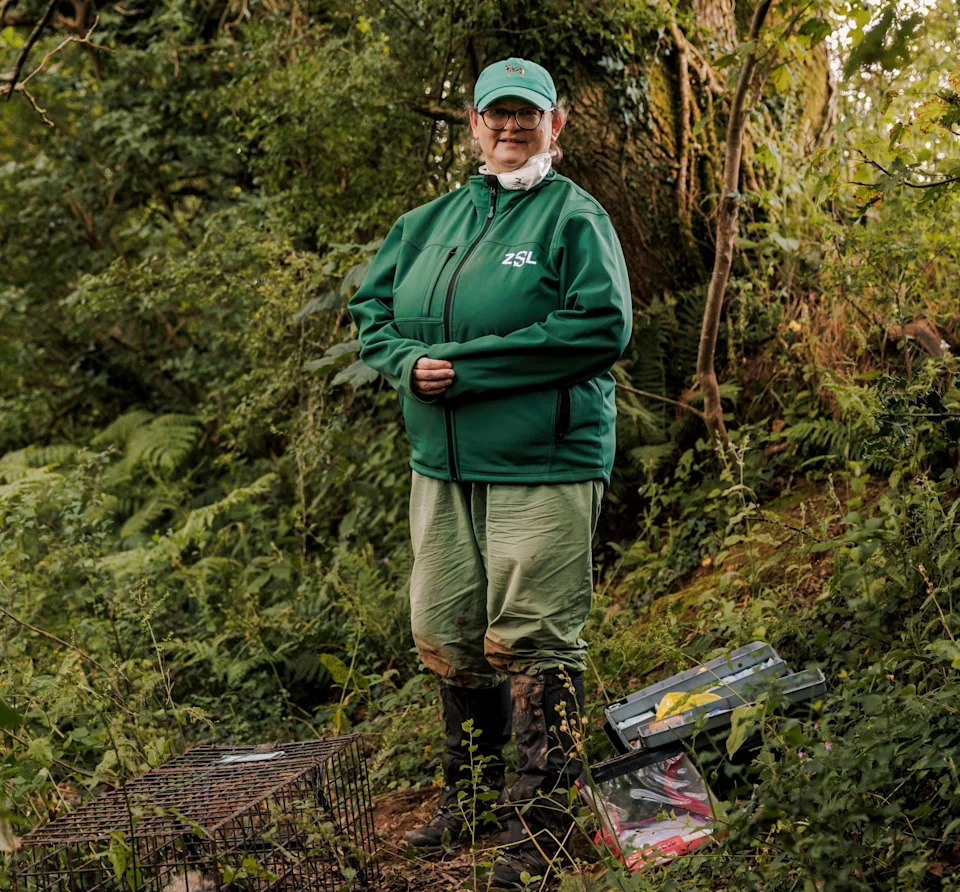
Woodroffe is a proponent of testing and vaccination over culling badgers in the fight against the disease - Matthew Morgan
“This is about game-changing interventions like cattle vaccination… delivering hope to both industry and the taxpayer that there is an end to this horror story of TB.” — John Cross, Norfolk livestock farmer
What The Strategy Changes (And What It Doesn’t)
The strategy includes targeted badger vaccination and strengthened cattle measures. Culling is not promoted as a front-line policy in the document; it is referenced only as a framework to inform future decisions. That ambiguity keeps the debate alive: senior researchers such as Prof Rosie Woodroffe (ZSL) say no further Government-backed culling will be authorised under the current administration, but licences granted previously (for example to Cumbria) could remain active through 2028.
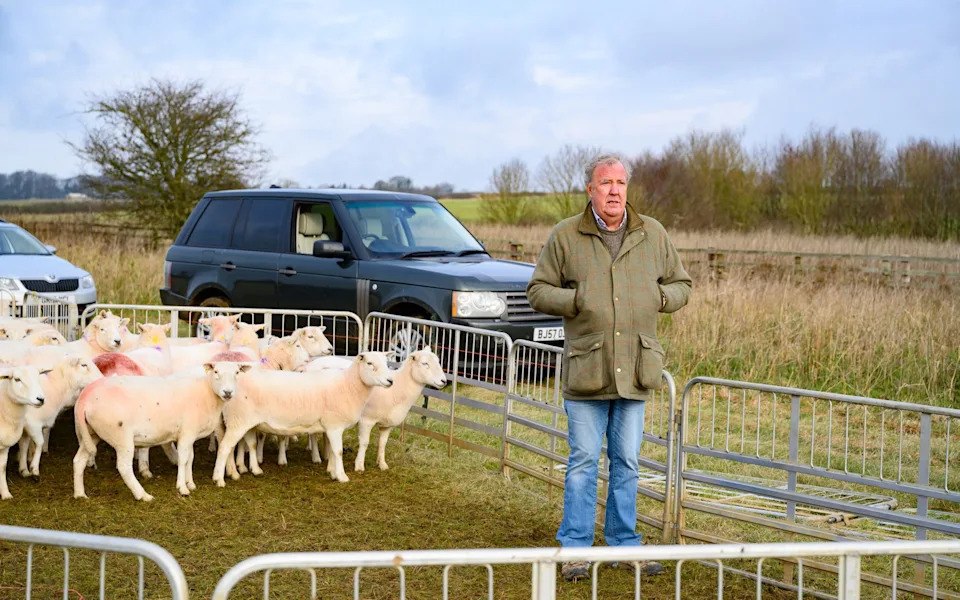
Jeremy Clarkson devoted an entire episode of Clarkson's Farm to the importance of eradicating badgers - Prime Video
Local Trials: Cornwall’s Farmer-Led Vaccination Effort
In west Cornwall a farmer-led trial began in 2019. With support from the Zoological Society of London (ZSL) and Cornwall Wildlife Trust, 12 farms participated. Researchers vaccinated 265 badgers across those farms over four years and reported that the proportion testing positive for bTB fell from 16% to zero in the monitored population.
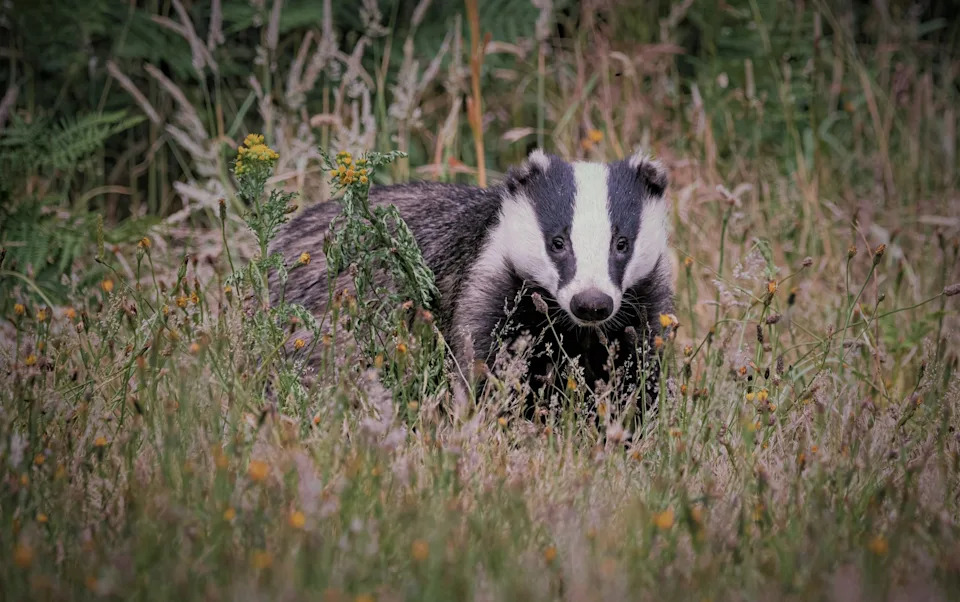
Bovine TB had stalked the country for years until, in the early 1970s, the blame was finally pinned on badgers - Christopher Bishop/500px
The vaccination process is labour-intensive: badgers are trapped, sedated (ketamine and medetomidine), microchipped, blood-sampled and given the Badger BCG vaccine. Individual handling has logistical costs, and annual follow-up is needed because new cubs are born each year.
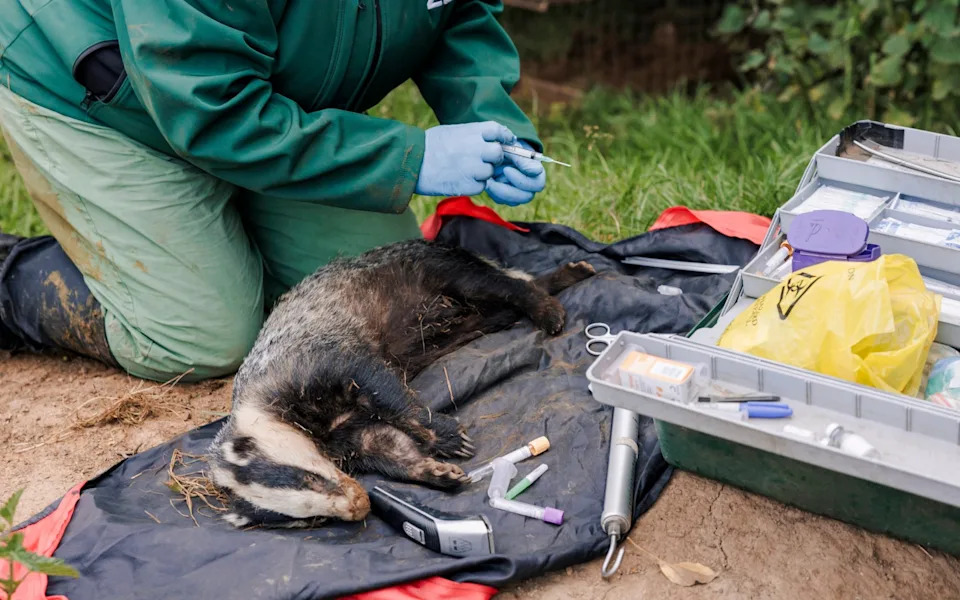
The animals are sedated so that they can be tested and vaccinated - Matthew Morgan
An anecdote from the field illustrates the project’s impact: a long-lived vaccinated female badger (tagged MC_006) was re-caught in the Cornish project, estimated at about 11 years old — older than average — suggesting local populations can persist where vaccination replaces culling.
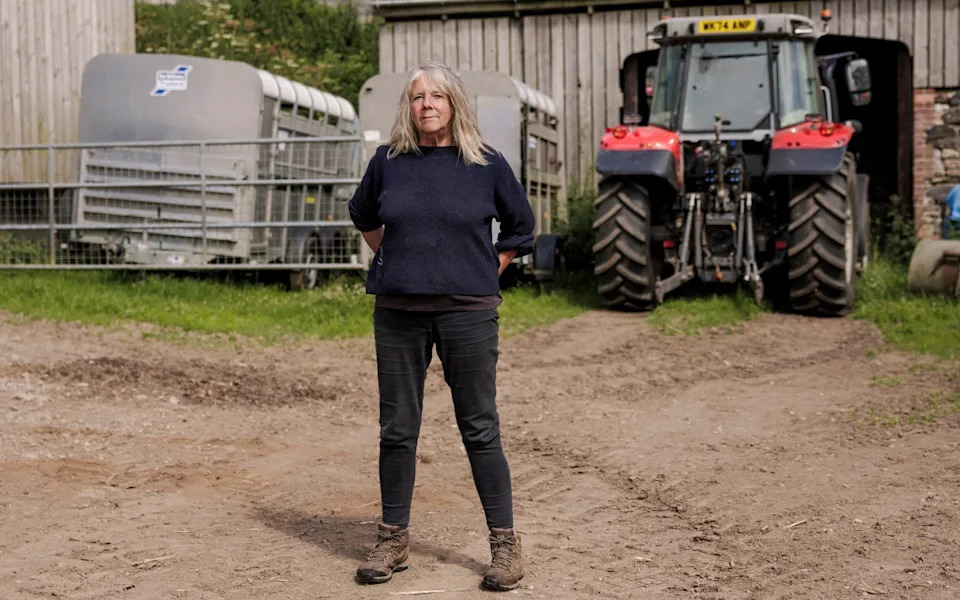
Rosie Barnecut, whose family has run a farm in Cornwall for 100 years, agrees with her neighbour Keith Truscott that some farmers were put under pressure to take part in the cull - Matthew Morgan
Costs, Effectiveness And The Evidence
Cost estimates vary. Some place the cost of vaccinating an individual badger at around £700 because of trapping and handling; however, Defra spent £55.6m on culling between 2015 and 2025 (£21.8m on culls and £33.8m on policing). Proponents of vaccination argue its long-term benefits for wildlife and public support may outweigh higher per-animal costs, while critics question whether vaccination can be scaled across large, forested landscapes.
Scientific evidence remains nuanced. The Randomised Badger Culling Trial (1998–2008) found reduced bTB incidence inside intensive culling zones but increased incidence in surrounding areas, likely because social disruption caused surviving badgers to roam farther and spread infection. More recent molecular-genetics research suggests that cattle-to-cattle transmission accounts for the majority of herd infections: for roughly every herd infected by a badger there may be many (estimates such as 17:1 have been reported) infected via cattle movements and contacts.
Politics, Public Opinion And What Comes Next
Badger control has been politically charged for decades. Ministers, farmers and conservationists have shifted between support for lethal control and support for vaccination and improved cattle measures. High-profile voices on both sides — from Sir Brian May to Jeremy Clarkson — have amplified public attention. Policy can still change with future governments, so the current strategy remains fragile until fully signed off and implemented at scale.
The new approach offers an alternative: combining targeted badger vaccination where practical, accelerated cattle testing and biosecurity, and a planned cattle vaccine could reduce reliance on lethal controls. Whether this hybrid approach will deliver the hoped-for decline in bTB, at a sustainable cost and at national scale, remains to be seen.
Bottom Line
The Bovine TB Control Strategy reframes the fight against bTB around vaccination and better herd management, buoyed by promising local results from Cornwall. Yet substantial scientific, logistical and political challenges remain before England can realistically aim for TB-free status by 2038.
Help us improve.