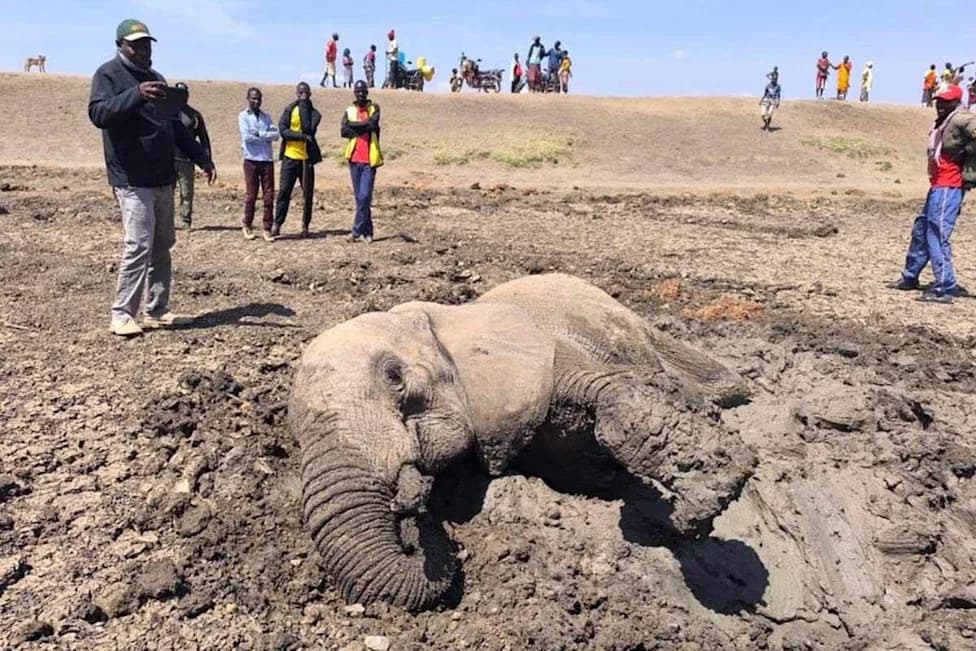
Fifteen elephants were found dead in Kenya’s Kimana area; laboratory tests confirmed cyanide poisoning after the animals fed on tomatoes near Amboseli National Park. Investigators are probing whether the deaths resulted from deliberate poisoning or exposure to hazardous pesticides, including illegally traded chlorfenapyr (marketed as Tiger). The incident—within a sanctuary supporting about 1,600 elephants—raises urgent concerns about illegal chemical trade, pesticide safety, and risks to other wildlife and livestock. The investigation is ongoing.
Cyanide Kills 15 Elephants Near Kenya’s Border — Poaching Or Hazardous Pesticides Under Investigation
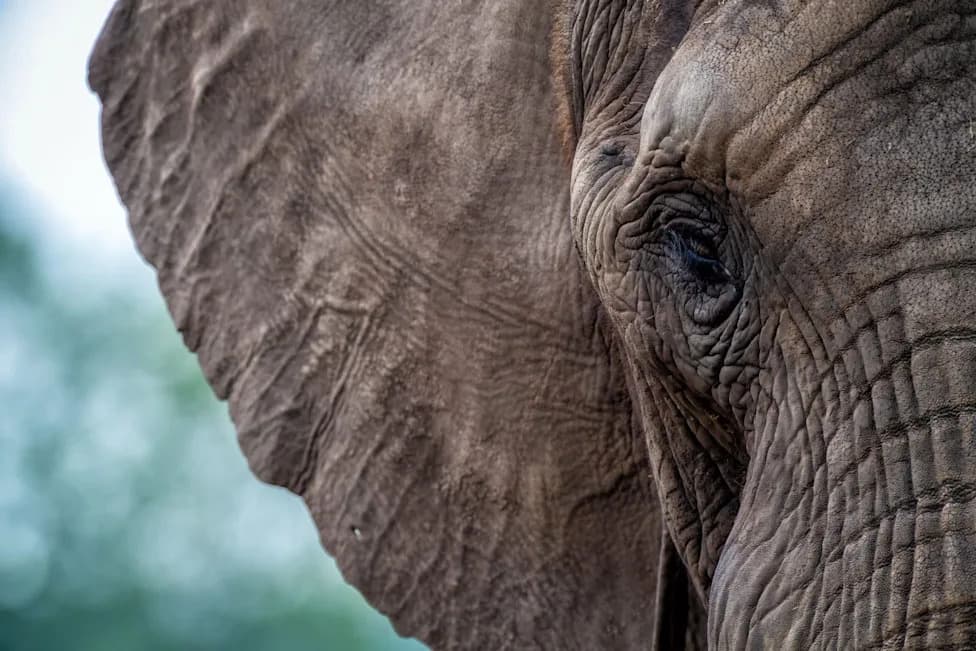
Close-up of an elephant's wrinkled skin and eye, showcasing intricate textures and natural details.© Wirestock Creators/Shutterstock.com
Kenyan authorities discovered 15 dead elephants in the Kimana area near the Tanzania border. Initial field inspections did not reveal an obvious cause, but laboratory analysis of tissue and stomach samples produced a clear finding: cyanide poisoning.
What Officials Found
Investigators say the elephants had been feeding on tomatoes grown near Amboseli National Park before they collapsed. Cyanide was detected both in tomato plants from the fields and in the stomach contents of all 15 animals, leading officials to rule poisoning as the cause of death.
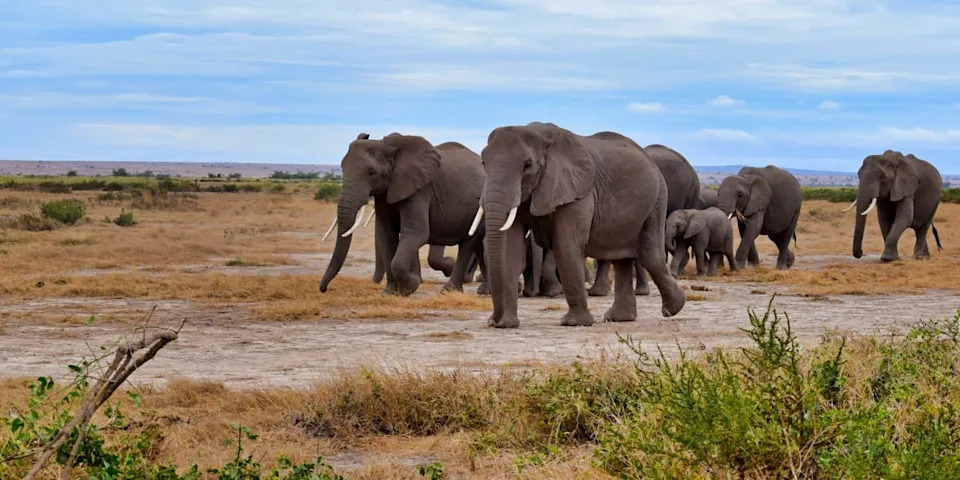
Kenya's elephants are classified as Vulnerable by the International Union for Conservation of Nature (IUCN).©NAEPHOTO/Shutterstock.com
Where This Happened And Why It Matters
The deaths occurred within the Kimana sanctuary and the adjacent Kuku Group Ranch, which together host roughly 1,600 elephants — a population that had shown signs of recovery in recent years. The loss of 15 animals has therefore alarmed conservationists and local communities alike.
Potential Sources Of Poisoning
Authorities and conservation groups are examining two main possibilities: deliberate poisoning by poachers or farmers, or unintended exposure to hazardous agricultural chemicals. Monitoring group Route to Food reported in 2024 that at least six farms in the Kimana area were using an insecticide marketed as Tiger, whose active ingredient is chlorfenapyr. Chlorfenapyr and another product, Dudu-Ace-Amectin, appear on Route to Food’s Highly Hazardous Pesticide list.

Agricultural expansion forces elephants to seek food elsewhere, which is how they often end up on farmers' land and eating crops.©PiggingFoto/Shutterstock.com
Chlorfenapyr is extremely toxic to insects and can be harmful to mammals. It has been detected entering Kenya through illegal cross-border trade despite not being approved locally. In the past, pesticides and poisons have been used by poachers to kill elephants for ivory; nearly a decade ago, 62 elephants were found dead on a Zimbabwe reserve after being poisoned.
Field Response And Clinical Signs
Authorities report that one elephant died on a farm known to have used the Tiger product. Several affected animals moved toward a watering hole and received emergency veterinary treatment, but outcomes were poor. Ten of the 15 elephants showed signs of partial paralysis before laboratory tests identified cyanide.
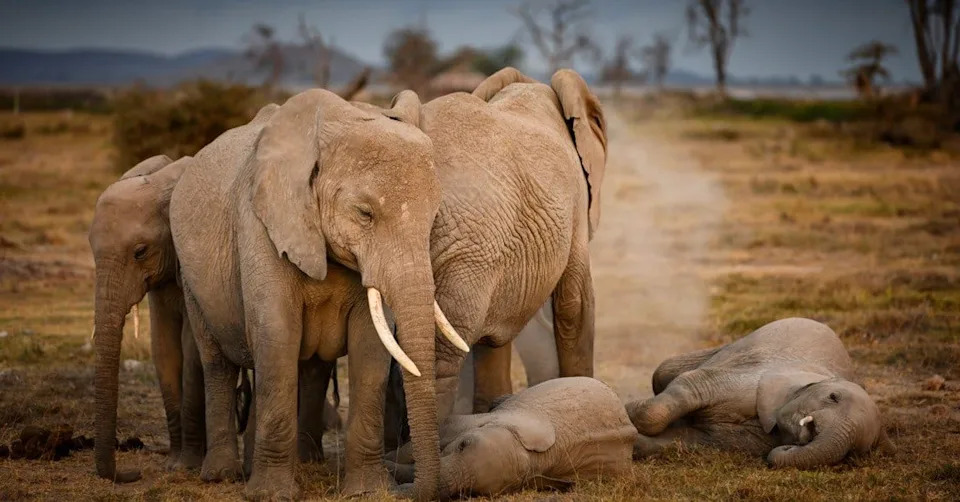
The death of 15 elephants in Kimana signifies a bigger issue with pesticide use and safe agricultural practices.©iStock.com/Devilkae
“Other than the elephants and the wildlife that may be feeding in those fields, we have the local livestock. We have the goats. We have the cattle that are there. Eventually, if this is truly what is in the system, then we are going to see a bigger impact,” said Kenya Wildlife Service Director General Erustus Kanga.
Broader Risks And Next Steps
If pesticides or deliberate baits were the source, other wildlife and domestic animals could be at risk. Authorities have kept many investigative details confidential as forensic and field inquiries continue. Conservation groups warn the incident highlights the urgent need to control illegal pesticide trade, improve safe pest-management practices, and reduce human-wildlife conflict through preventative measures.
Investigation Status: Ongoing. Officials and conservationists are seeking to determine whether the poisonings were deliberate acts by poachers or farmers, or the result of hazardous or illegally imported chemicals used on crops.
Help us improve.