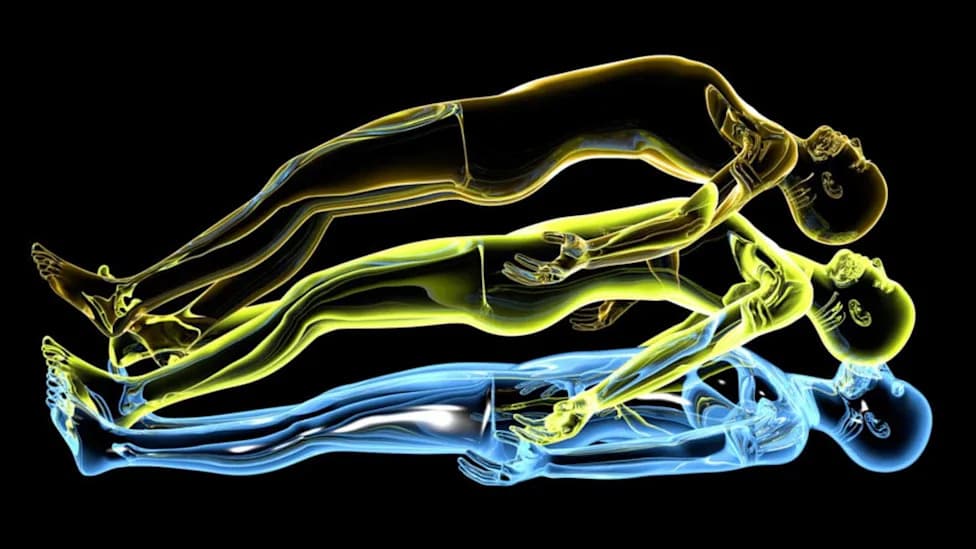
The D'Or Institute adapted the Inventory of Nonordinary Experiences into a 47-question survey and collected responses from 5,117 people in Brazil to map unusual experiences such as sensing a presence, visions, hearing voices, and out-of-body episodes. Most reported episodes occurred while awake and alert, were brief, and often happened when the person was alone. Respondents typically described these events as neutral or positive, with about half reporting beneficial long-term effects; only a minority reported negative outcomes. The authors suggest better understanding these experiences could reduce stigma and improve support for those who are distressed.
New Study Maps ‘Uncanny’ Experiences — Most Are Neutral or Positive

(David Wall/Moment/Getty Images)
Have you ever heard a voice while completely alone, felt a presence in the room, seen a vision, or experienced an intense sense of deja vu? A large new study from the D'Or Institute for Research and Education (IDOR) in Brazil offers the most detailed look yet at these kinds of unusual or 'nonordinary' experiences and how people make sense of them.
Study and Methods
The researchers adapted the Inventory of Nonordinary Experiences (INOE) into a 47-question survey and administered it to 5,117 adults in Brazil. The questionnaire asked whether respondents had experienced any of 38 types of atypical events—such as out-of-body episodes, hearing voices, sensing a presence, vivid visions, lucid dreams, near-death experiences, or feelings of past-life memories—and then probed the context, duration, frequency, age of onset, perceived cause, and longer-term impact.

Out-of-body experiences were one of the 'nonordinary experiences' in the questionnaire. (sdominick/E+/Getty Images)
Key Findings
The results challenge common assumptions. More than 60 percent of reported episodes occurred while people were awake and alert, and nearly 40 percent happened when the person was alone. Typical episodes were brief—about 36 percent lasted a few minutes and 27 percent were very quick or almost instantaneous—while roughly 19 percent lost track of time during the experience.
Frequency varied: the modal response was two to three occurrences (38 percent), while about 30 percent said an experience happened only once. Two-thirds of participants said their first experience occurred in adulthood; over 20 percent traced it to adolescence.

Many people reported feeling a 'presence'. (Catherine McQueen/Moment/Getty Images)
When asked who or what caused the event, 36 percent said no agent was responsible. A deity or deities was cited by 16 percent, and about 11 percent attributed it to a holy spirit. On explanations, 41 percent favored random chance and 28 percent interpreted the event as a 'sign' or message.
"Experiences like sensing a presence, having a vision, or feeling as though you are observing yourself from outside your own body are far more common in the general population than clinical diagnosis rates would suggest," said Ronald Fischer, the study's senior author.
Emotional outcomes skewed positive: almost half of respondents reported joy or wellbeing during the episode, fewer than a quarter experienced suffering or discomfort, and roughly half described positive long-term effects. Fewer than 15 percent reported negative long-term consequences.

Subscribe to ScienceAlert's free fact-checked newsletter
Implications and Takeaways
The authors emphasize that most people who report these experiences do not appear to be clinically unwell and that many describe their episodes as neutral or beneficial. Better characterization of these phenomena could reduce stigma, help clinicians and communities support people who find such events distressing, and guide when to refer someone for professional care.
Practical advice: If unusual experiences interfere with daily life, cause distress, or are accompanied by concerning changes in thinking or behavior, seek assessment from a trusted health professional.
The full study is published in PLOS One.
Help us improve.