Researchers studying Okunoshima, Japan's well-known 'rabbit island,' report that tourist feeding is changing the island's ecosystem by sustaining unnaturally high rabbit densities and attracting scavengers. Observers documented a 'rabbit line' from overbrowsing and found wild boars, crows, and black kites feeding on discarded rabbit food and remains. Notably, the study recorded at least one instance of a wild boar preying on a live rabbit. Authors recommend stricter feeding rules, population monitoring, vegetation studies, and public education to limit further disruption.
Tourist Feeding on Japan's 'Rabbit Island' May Be Driving Wild Boars To Hunt Rabbits
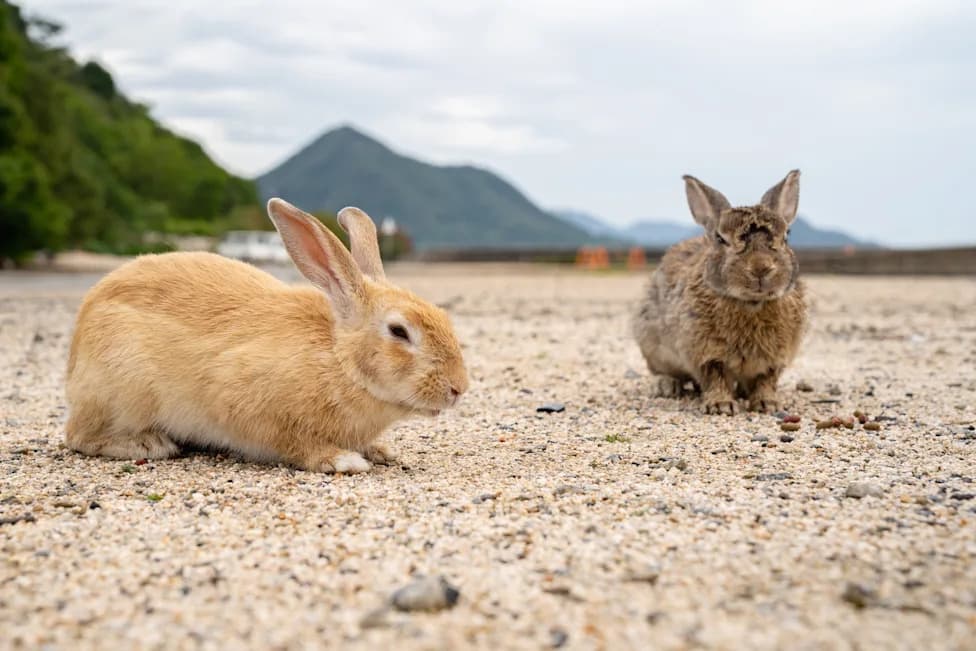
Photo Credit: iStock
Okunoshima, the small Hiroshima Prefecture island famous for its free-roaming rabbits, has long drawn visitors looking for close animal encounters and photographs. A recent study published in the Journal of Ecotourism and reported by Popular Science suggests that food left by tourists is reshaping the island's food web and may be producing unexpected predator-prey interactions.
What Researchers Found
Researchers warn that consistent handouts appear to be sustaining rabbit numbers beyond what the island would naturally support. Investigators documented a visible 'rabbit line' in some areas, where low branches and understory vegetation have been stripped away as rabbits forage near human-provided food sources.
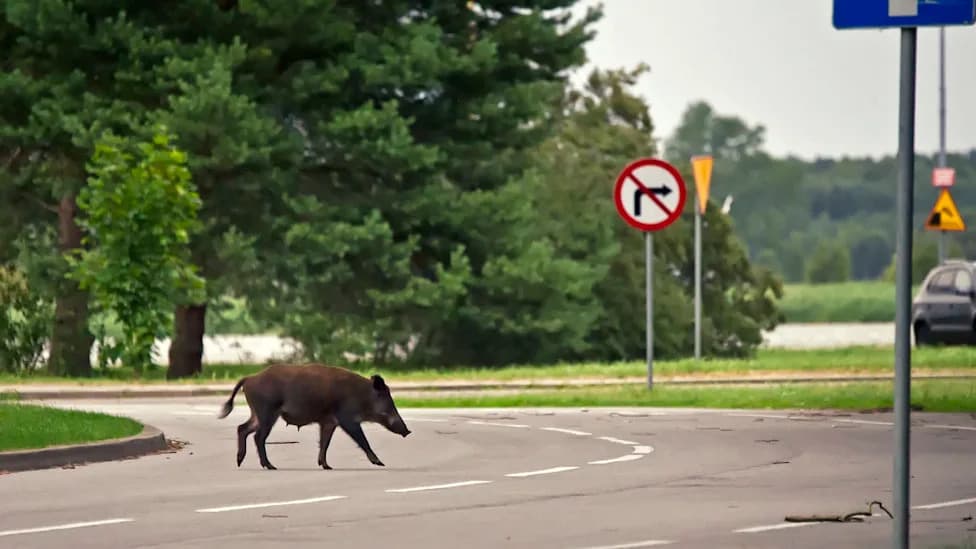
The study also found that wild boars, crows, and black kites are consuming discarded rabbit feed and rabbit remains around tourist areas. In at least one surprising recorded incident, a wild boar preyed on a live rabbit — a behavior the researchers did not expect.
Shingo Kaneko, a study co-author and ecologist at Fukushima University, said that wild boars are known to scavenge carcasses but are not generally regarded as active hunters of live prey. He added that the close interactions among wild boars, rabbits, and humans on the isolated island appeared to be producing events rarely seen elsewhere.
Ecological Consequences
The researchers emphasize that a steady human food subsidy can ripple through an ecosystem: it may increase rabbit densities, alter vegetation through overbrowsing, and attract scavengers and predators into areas where they normally would be rare. Such changes can raise management costs, damage plant communities, and create a less stable environment for both wildlife and visitors.
Recommendations
To reduce further disruption, the study's authors recommend:
- Stricter rules and enforcement on feeding wildlife and leaving food behind
- Ongoing monitoring of rabbit population size and distribution
- Vegetation surveys to measure overbrowsing and habitat loss
- Public education campaigns for tourists and local officials to encourage responsible behavior
Taken together, the findings illustrate how tourism practices intended to attract and delight visitors can unintentionally alter animal behavior and ecosystem dynamics. Managing human-wildlife interactions more carefully could help preserve Okunoshima's unique environment and reduce risks to both animals and people.
Help us improve.