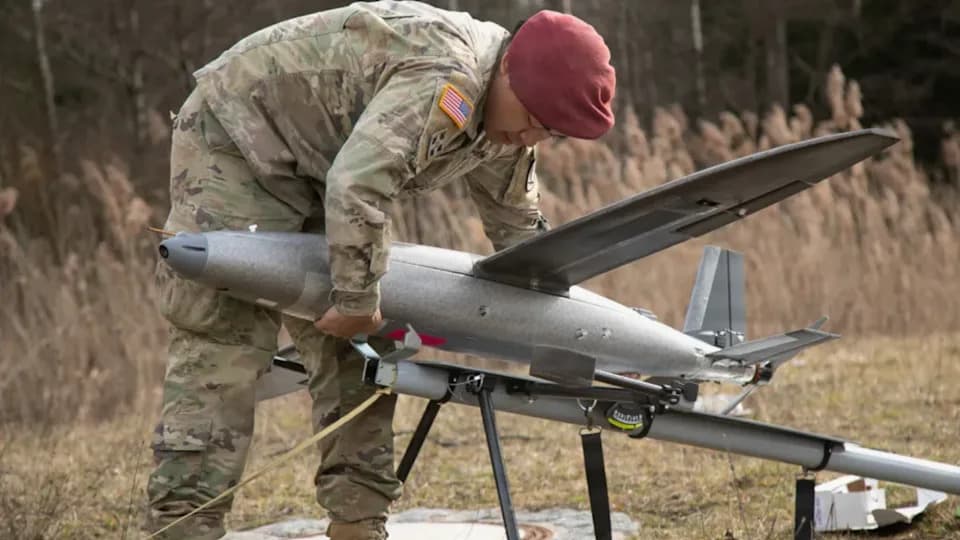
Project Convergence Capstone 6 put more than 90 AI-enabled systems to the test in a nine-day trial at Fort Irwin, with the Next-Generation Command and Control (NGC2) system at the center. Trials demonstrated improved battlefield visualization and faster coordination by fusing sensor, drone and unit data in near real time. However, troops experienced connectivity problems and equipment overheating in extreme desert heat, highlighting engineering and operational challenges. The Army plans wider distribution of NGC2 and has requested nearly $4 billion to continue development.
US Army Tests AI-Driven Battlefield at Fort Irwin — Gains Breakthroughs but Faces Heat and Connectivity Hurdles
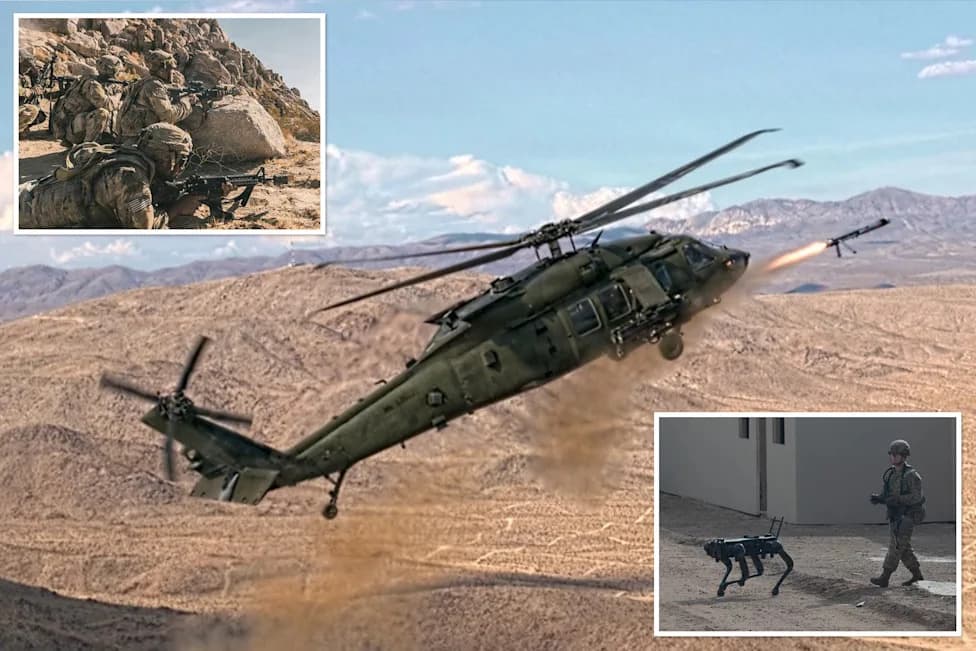
The US Army conducted a nine-day live experiment of next-generation battlefield technologies at Fort Irwin in California's High Mojave Desert, putting artificial intelligence-enabled command systems, autonomous robots and advanced sensors through one of the service's largest recent trials.
What Was Tested
Project Convergence Capstone 6 brought together soldiers and more than 90 technologies to evaluate how commanders can gather, fuse and act on battlefield information while forces remain dispersed and mobile. The centerpiece was the Next-Generation Command and Control system (NGC2), designed to link troops, sensors, reconnaissance drones and weapons with AI-driven processing to speed decision-making.
Capabilities Demonstrated
Participants evaluated a broad set of capabilities, including:
- Autonomous ground robots operating alongside dismounted troops;
- Specialty reconnaissance "launched-effect" drones that locate targets for long-range fires;
- Advanced battlefield sensors and contested logistics prototypes;
- Resilient communications meant to connect forces across land, sea, air, space and cyber domains.
Key Findings
Leaders highlighted improved battlefield visualization and faster coordination. By aggregating sensor feeds and communications in near real time, commanders were better able to see friendly and enemy positions, call in fires and direct the unit best placed to respond.
"What really worked was the common visualization: our ability to see where the soldiers were on the battlefield, where we perceived the enemy to be ... that enabled us to bring fires to bear and maneuver forces faster," Maj. Gen. Patrick Ellis, commander of the 4th Infantry Division, said after the exercise.
Challenges and Limitations
The trials also exposed important engineering and operational challenges. Troops reported intermittent connectivity problems, and sensitive equipment overheated in the Mojave's extreme temperatures. Those issues underscore the difficulty of operating advanced electronics in harsh environmental conditions and contested communications environments.
"It does not replace what a commander has always had to do … but it enables them to do it on the move and while distributed," said Gen. Christopher LaNeve, the Army's vice chief of staff.
Program Context and Industry Involvement
Project Convergence began as a smaller Army experiment in 2020 and expanded to include joint and allied partners. More than 60 companies contributed technology to Capstone 6, and over 100 firms have participated across the program's life, including primes and commercial developers such as Anduril, Lockheed Martin and Northrop Grumman. Industry leaders emphasized the value of testing in realistic conditions: "It's always useful to have a real warfighter kick the tires on your capability," said Adil Karim, vice president at Northrop Grumman.
Why This Matters
Project Convergence supports the Pentagon's Combined Joint All-Domain Command and Control (CJADC2) initiative, which aims to integrate information across services and allied forces so the right data reaches the right unit at the right time. If fully realized, CJADC2 and fielded NGC2 capabilities could compress decision timelines, enable coordinated cross-domain fires and improve the odds that the best-positioned unit acts first.
Next Steps
The Army is shifting from a single annual megademonstration toward a rhythm of smaller experiments and larger capstones, enabling more frequent testing and better data analysis. Officials say NGC2 will be distributed to larger formations after further evaluation; Washington state's I Corps is slated to receive the system next following tests by the 4th and 25th Infantry Divisions. The Army has requested nearly $4 billion in its latest budget to continue development and fielding.
Takeaway: Capstone 6 showed promising gains in situational awareness and decision speed, but also highlighted practical hurdles — especially heat and connectivity — that engineers and commanders must overcome before these systems are widely fielded.
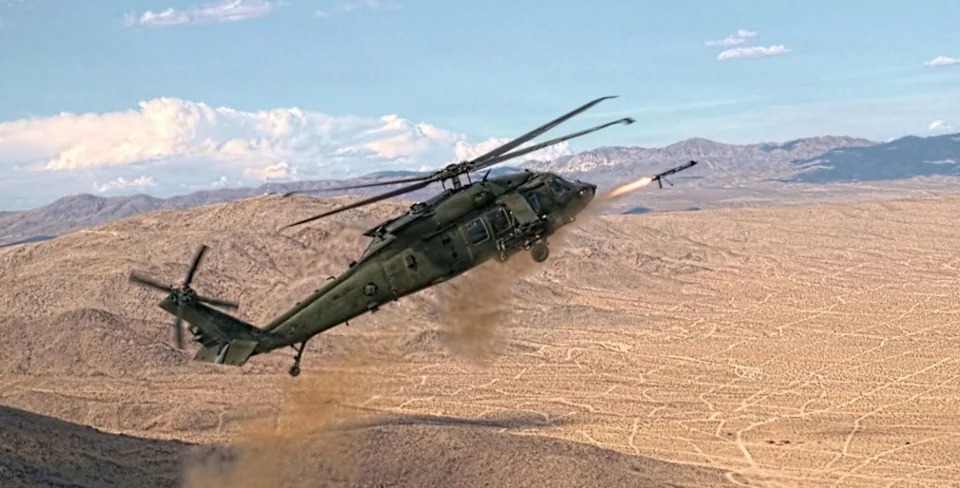
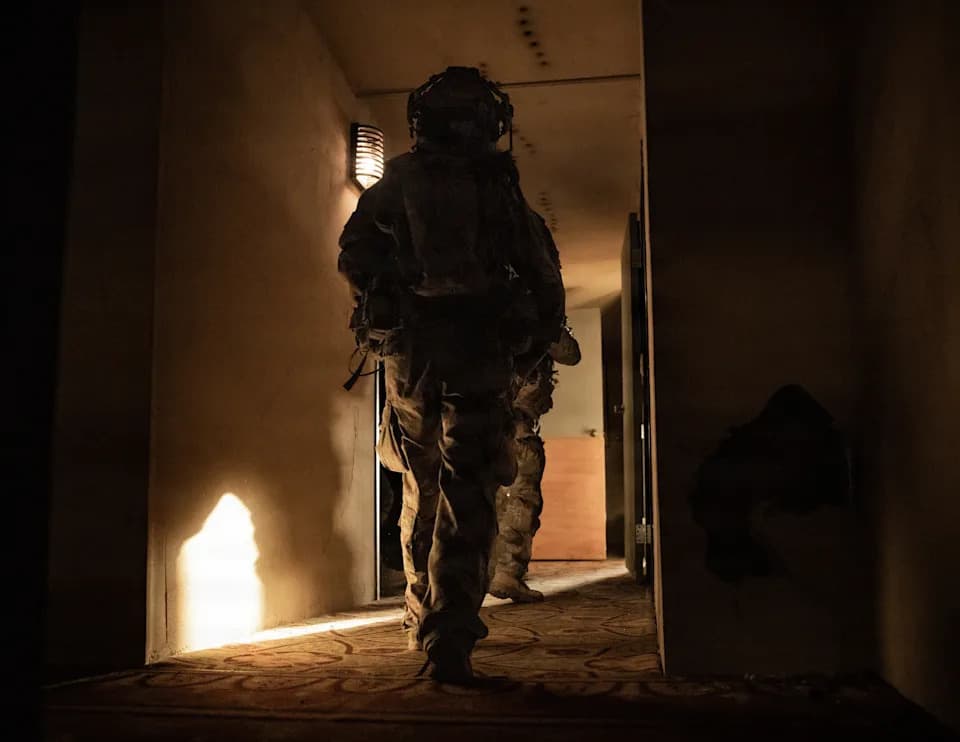
The latest Project Convergence Capstone 6 exercise took place at Fort Irwin in the High Mojave Desert. U.S. Army
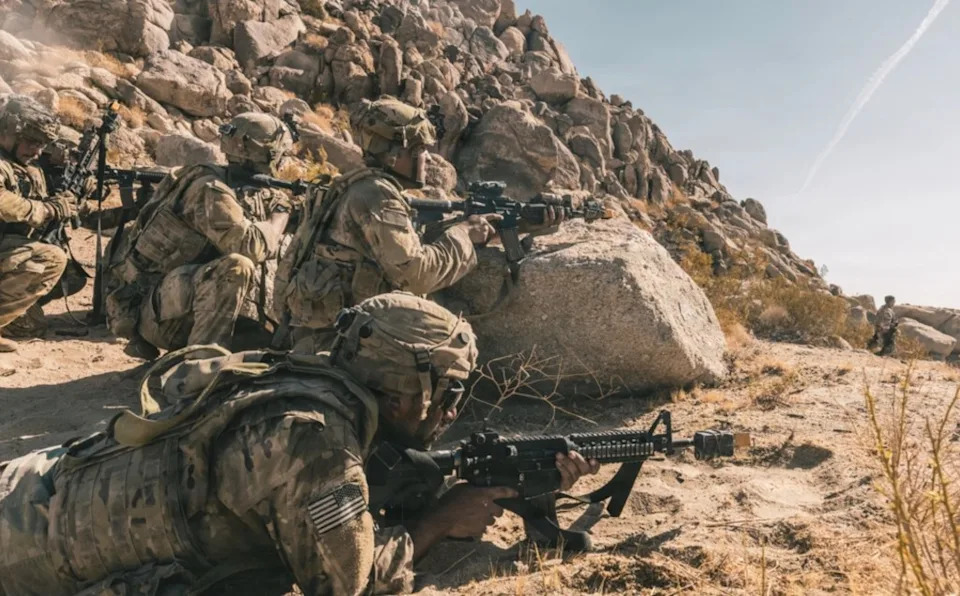
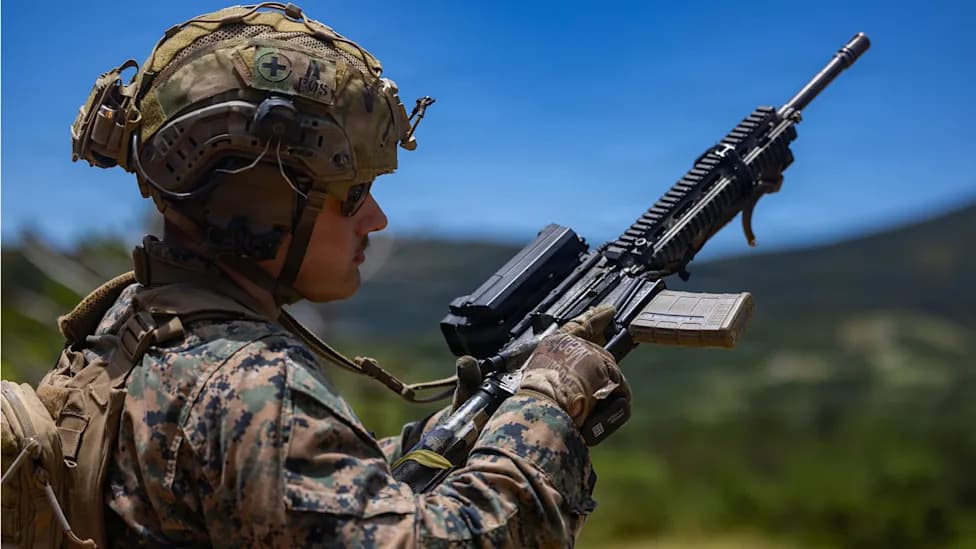
Soldiers spent nine days at the end of July testing more than 90 technologies in one of the military's largest experimentation events to date. U.S. Army

A visualization of the Pentagon's Combined Joint All-Domain Command and Control concept, which aims to better connect sensors and shooters across vast distances. RTX
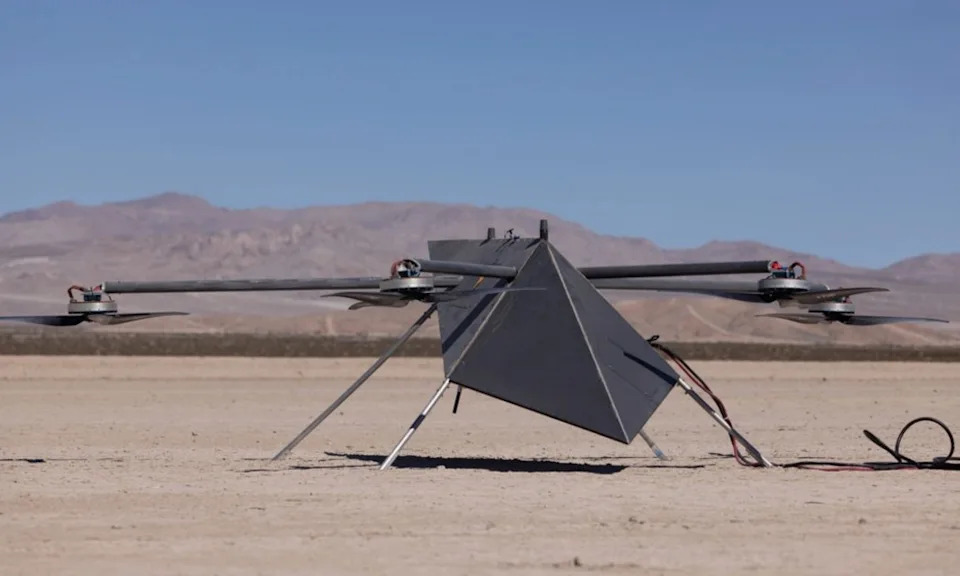
The centerpiece of the exercise was the Army's new Next-Generation Command and Control (NGC2) system. U.S. Army Photo
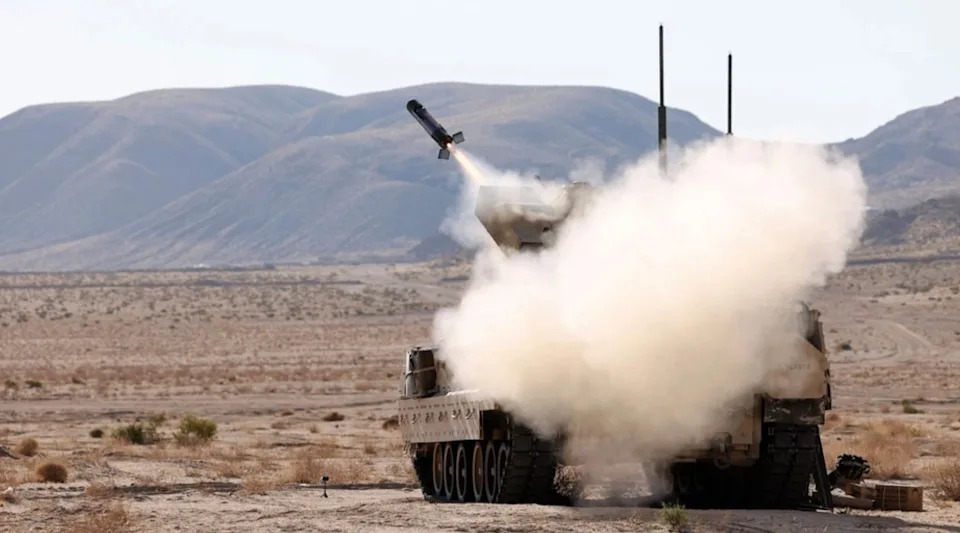
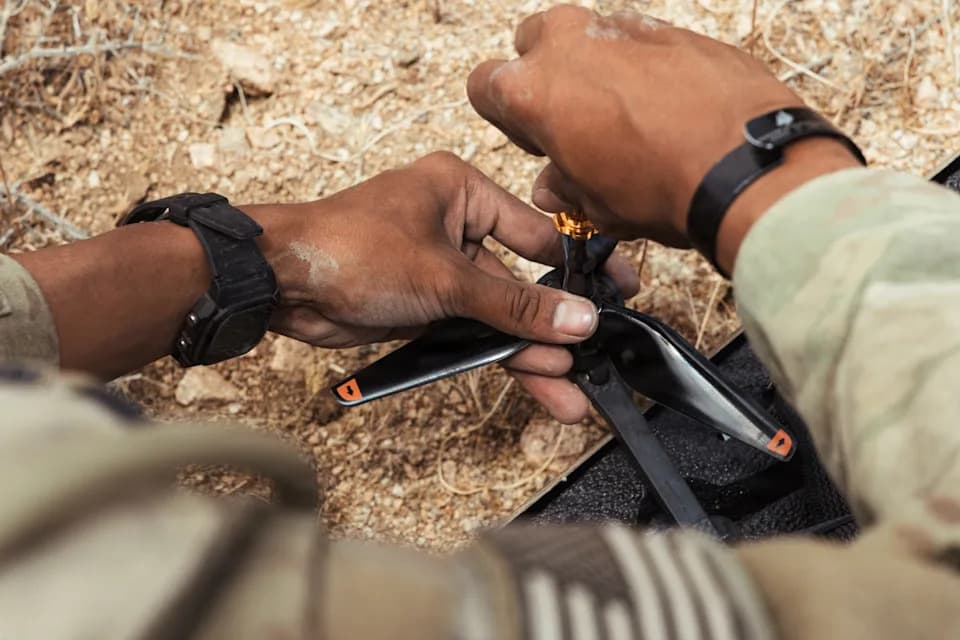
The system uses AI and a network of battlefield sensors, reconnaissance drones and communications equipment to instantly gather information. U.S. Army
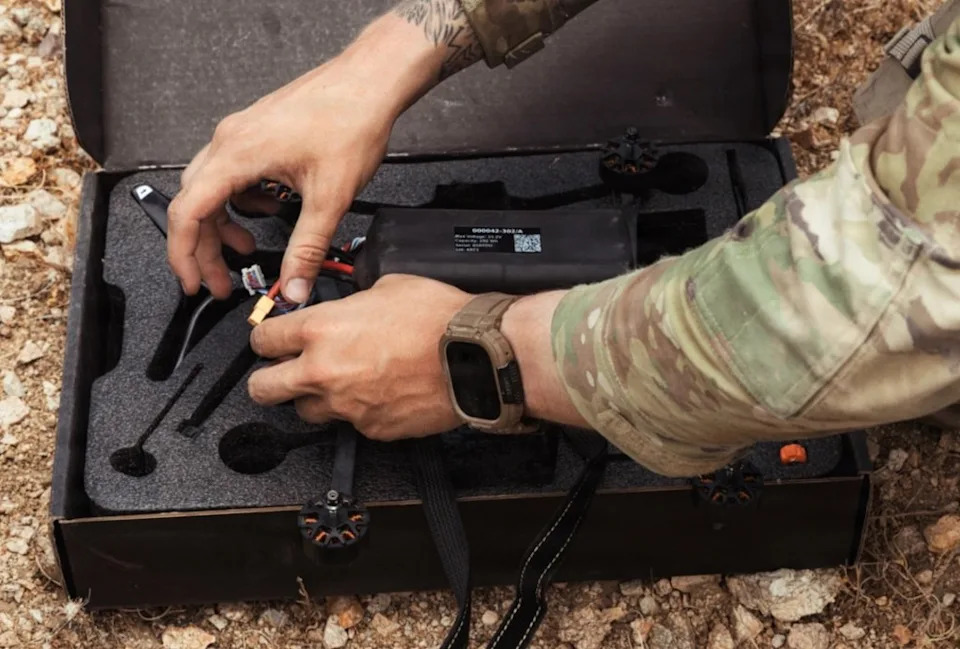
That information is then shared in real time to help identify threats, coordinate long-range strikes and direct whichever unit is best positioned to respond. DVIDS
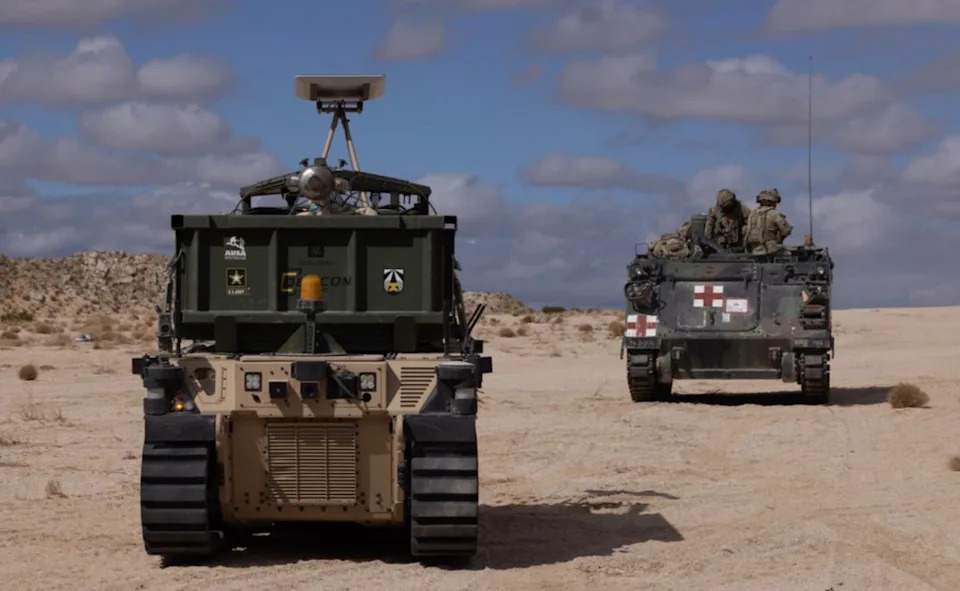
The futuristic battlefield did not perform perfectly. Some soldiers battled connectivity issues during the exercise, while others dealt with overheating equipment as temperatures soared. U.S. Army
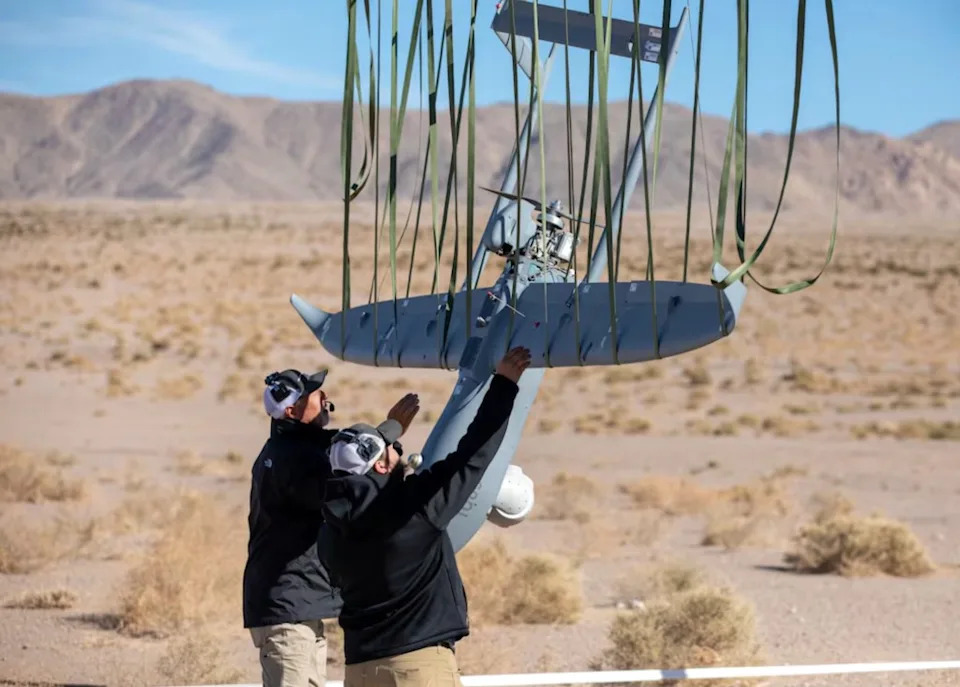
The Army's push to modernize comes as military leaders monitor conflicts overseas and prepare for future threats from countries including Russia and China. Pfc. Samuel Brandon/U.S. Army
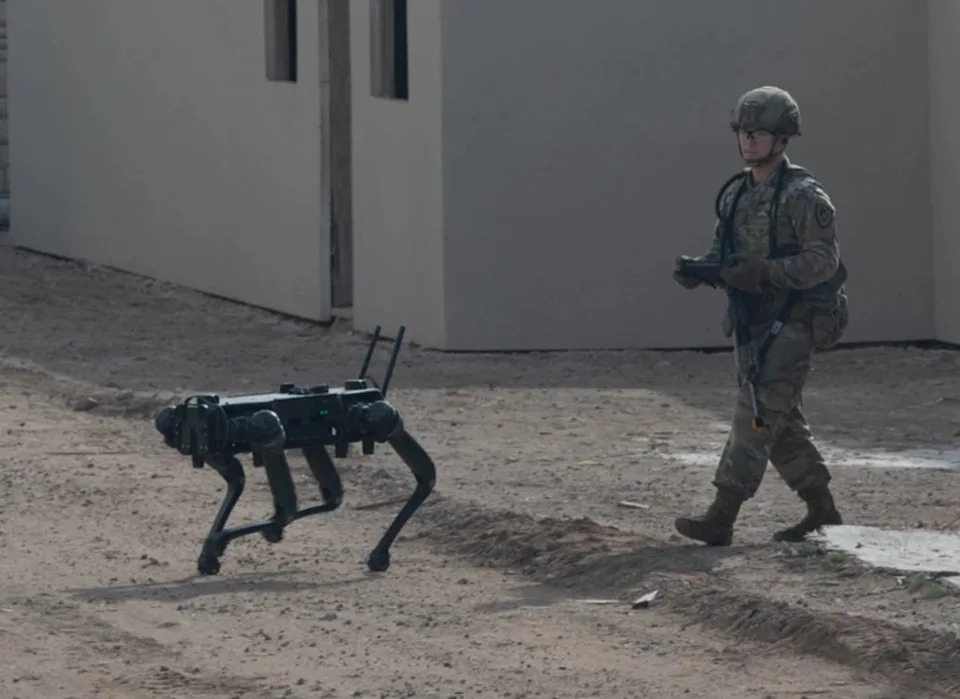
A Quadruped Ghost robotic dog is deployed as part of an urban assault during a series of Human Machine Integration experiments. U.S. Army
Help us improve.