The UK has reported the first successful human trial of a vaccine reformulated to remain stable at room temperature by drying it with the sugar trehalose. In 60 volunteers, the fridge-free tetanus-diphtheria vaccine produced immune responses equivalent to the conventional formulation and was well tolerated. A 160-person study will follow to meet WHO thermostability targets and to address outstanding questions about fluctuating temperatures, scale-up and diverse populations. If validated, the approach could reduce cold-chain dependence and significantly cut global vaccine waste.
Fridge-Free Vaccine Passes First Human Trial — A Potential Breakthrough to Cut Global Vaccine Waste
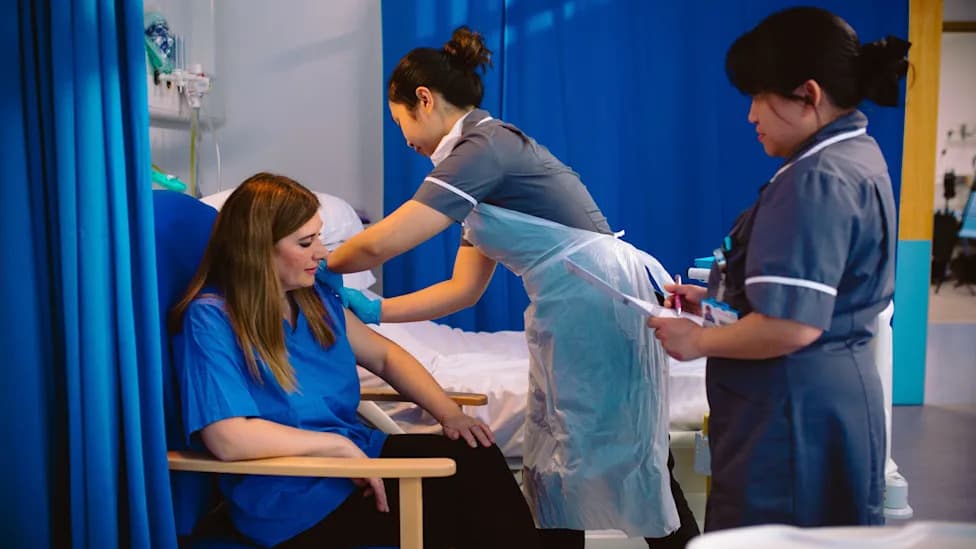
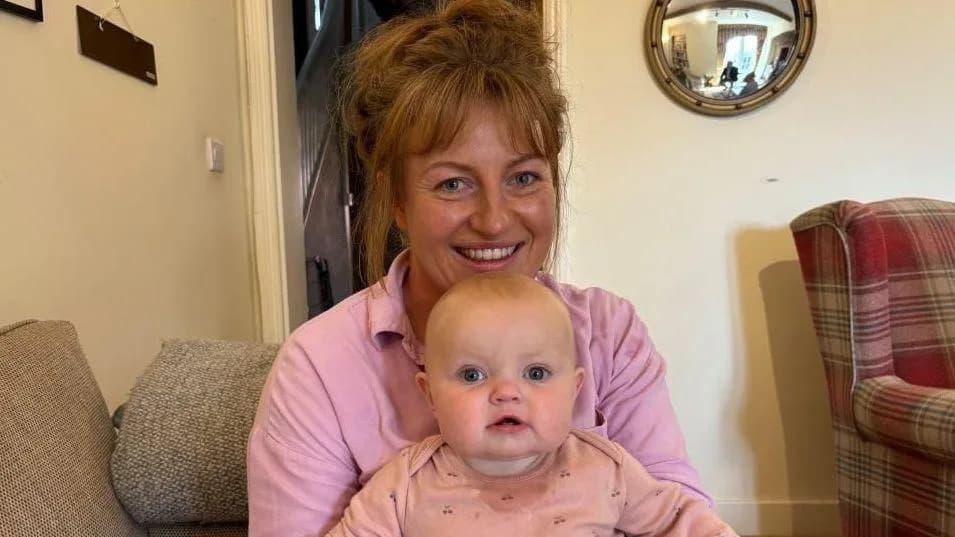
Hannah Kedzia taking part in the clinical trial in April 2025 [NIHR]
UK researchers have completed the first human trial of a vaccine reformulated to remain stable outside refrigeration, a development that could dramatically reduce the roughly 50% of doses discarded worldwide each year because of temperature damage, expiry or cold-chain failures.

The new technology is inspired by the resurrection plant, which may appear dead but will come back to life when rain arrives [Getty Images]
In an initial study of 60 volunteers, Stablepharma converted a conventional tetanus-diphtheria vaccine into a stable, dry formulation by drying it with the sugar trehalose and storing it at room temperature for one year. The powder was then reconstituted with water and administered. Investigators report the fridge-free formulation produced immune responses equivalent to the standard refrigerated vaccine and was well tolerated.
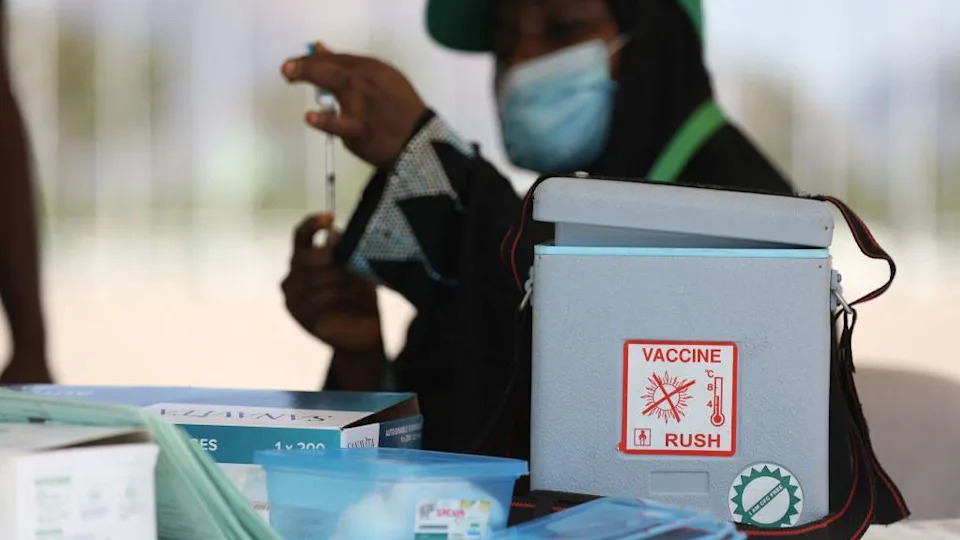
The final stage of the "cold chain", with vaccines being kept in coolers at remote clinics [Getty Images]
How the Technology Works
The method is inspired by "resurrection plants," which survive prolonged drought by producing trehalose to stabilise cells, then recover when water returns. Stablepharma applied this principle to protect the vaccine’s critical components during drying and ambient storage.
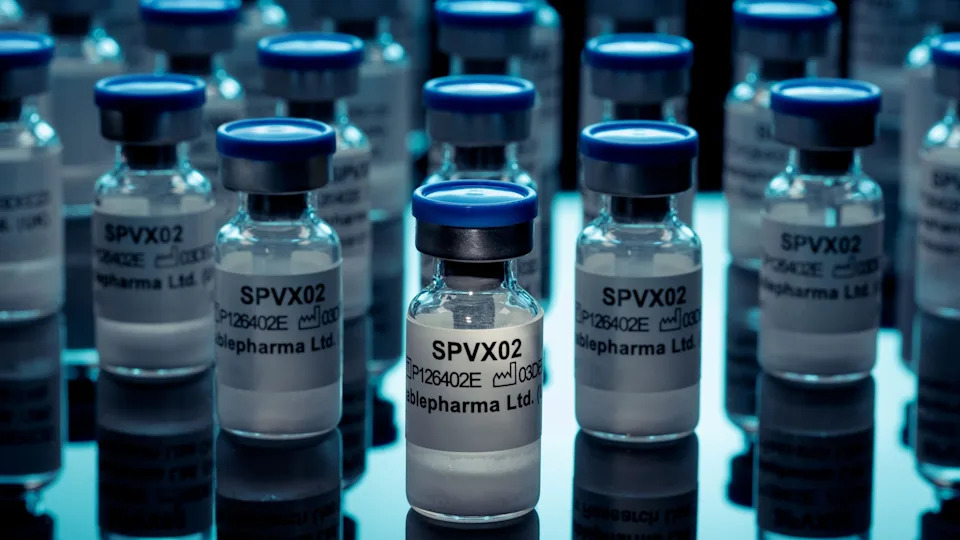
Dr Bruce Roser, founder of Stablepharma: "Reliable and safe fridge-free vaccines could be a game-changer for global health" [StablePharma]
Key Findings and Next Steps
The trial was funded and coordinated through the UK’s National Institute for Health and Care Research (NIHR) and the results are published in eClinicalMedicine (The Lancet family). A larger trial involving about 160 participants is due to start soon; because the underlying tetanus-diphtheria vaccine is already licensed, this study is intended as a final step toward wider use rather than the large-scale efficacy trials required for a novel vaccine.
Professor Saul Faust, director of the NIHR Clinical Research Facility in Southampton: "The fridge-free formulation gave equivalent immune responses to the conventional vaccine and was safe and well tolerated in these early studies."
Researchers say the programme aims to meet World Health Organization targets for thermostable vaccines that survive at 30°C and 75% relative humidity. Separate laboratory data also indicate the dried vaccine components can survive temperature cycling between −20°C and +40°C, suggesting resilience during variable transport conditions (for example, cold-air transport followed by hot ground transit).
Limitations and Considerations
Not all vaccines can be adapted with this drying approach: developers note it cannot be applied to current mRNA vaccines, although many existing protein- and toxoid-based vaccines — and possibly some temperature-sensitive biologic medicines such as monoclonal antibodies — could benefit. Independent experts have welcomed the findings but stress several outstanding questions remain, including performance after repeated temperature fluctuations, long-term manufacturing scale-up, and effectiveness in larger, more ethnically diverse populations.
Dr Bruce Roser, founder of Stablepharma: "Reliable and safe fridge-free vaccines could be a game-changer for global health — helping life-saving vaccines reach millions more people, wherever they live."
If subsequent trials confirm safety, effectiveness and manufacturability at scale, fridge-free vaccines could reduce wastage, cut cold-chain costs, simplify logistics in remote and low-resource settings, and improve the equity and resilience of immunisation programmes worldwide.
Help us improve.