Researchers studying six Napa Valley vineyards found that occupied barn owl boxes reduced rodent activity by 38–52% and increased rodent predator-avoidance behavior by 16–38%. A single barn owl family can remove 1,000–4,000 rodents a year, and of more than 500 boxes placed statewide, 30–75% are occupied annually. Although it can take one to three years for owls to settle into a new box, once established they provide a durable, low-chemical, cost-effective pest-control option for vineyards.
Barn Owl Families Cut Vineyard Rodent Damage — Up To 4,000 Pests Removed Per Year
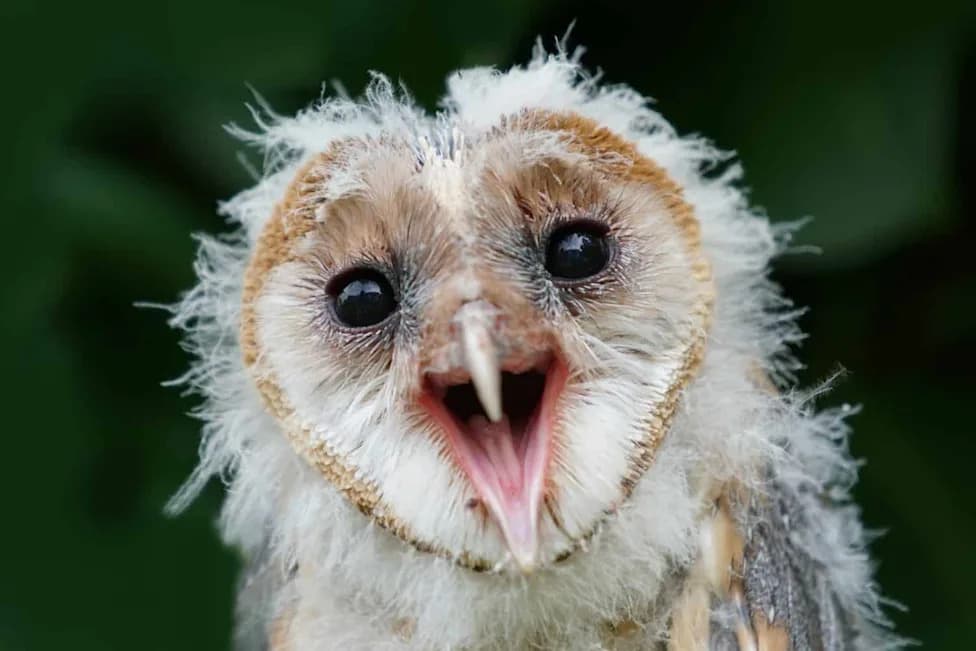
sweet portrait of a young barn owl with open beak, green background© Holger Kirk/Shutterstock.com
California vintners are increasingly turning to a natural, low-cost ally against rodents: the barn owl. Where grapes and other fresh produce grow, gophers, voles, mice and occasionally rats follow — and these pests can cost vineyards tens of millions of dollars statewide. Instead of relying solely on expensive or chemical controls, some vineyard managers are installing purpose-built owl boxes to encourage barn owls to live and hunt nearby.

Vineyards throughout Napa Valley are turning to barn owls for help.©Bob Corson/iStock via Getty Images
Study Shows Big Reductions in Rodent Activity
Researchers from Cal Poly Humboldt and UC Davis studied barn owl occupancy and rodent behavior at six Napa Valley vineyards beginning in 2023. Each site had a specially designed barn owl box, and teams measured rodent activity using bait trays and direct monitoring. Vineyards with resident barn owl families experienced substantially lower rodent presence: the study recorded a 38–52% reduction in rodent activity where owl boxes were occupied.
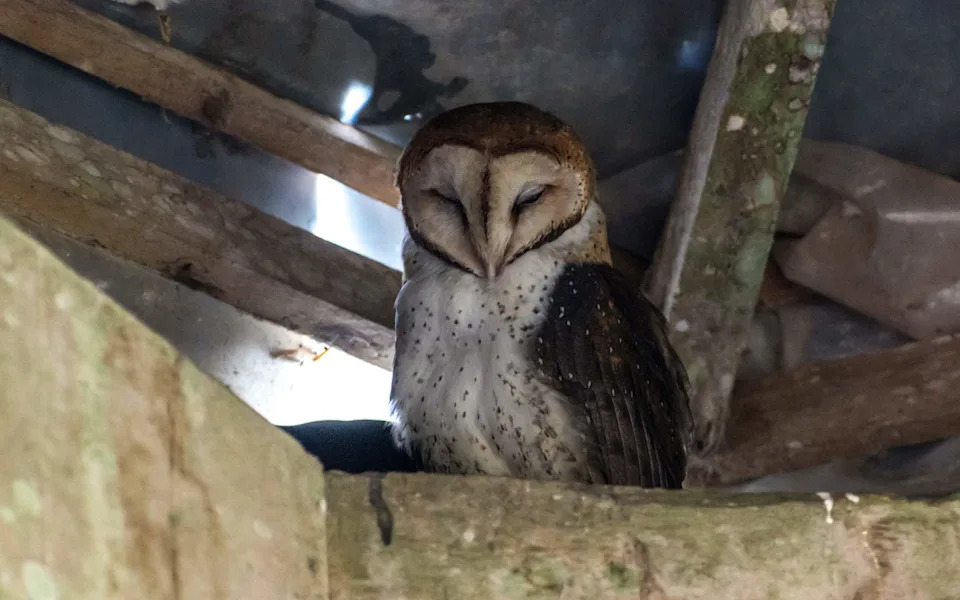
Not only do barn owls hunt rodents, but their presence also spooks them away.©Kirk Hewlett/iStock via Getty Images
Two-Front Pest Control: Predation And Deterrence
Barn owls help vineyards in two complementary ways. First, they prey directly on rodents — voles make up the bulk of their diet, with mice and rats also commonly taken. A single barn owl family can eliminate roughly 1,000–4,000 rodents per year. Second, owls increase rodent wariness: the study found a 16–38% rise in predator-avoidance behavior, meaning many rodents avoid vineyards altogether when owls are present.
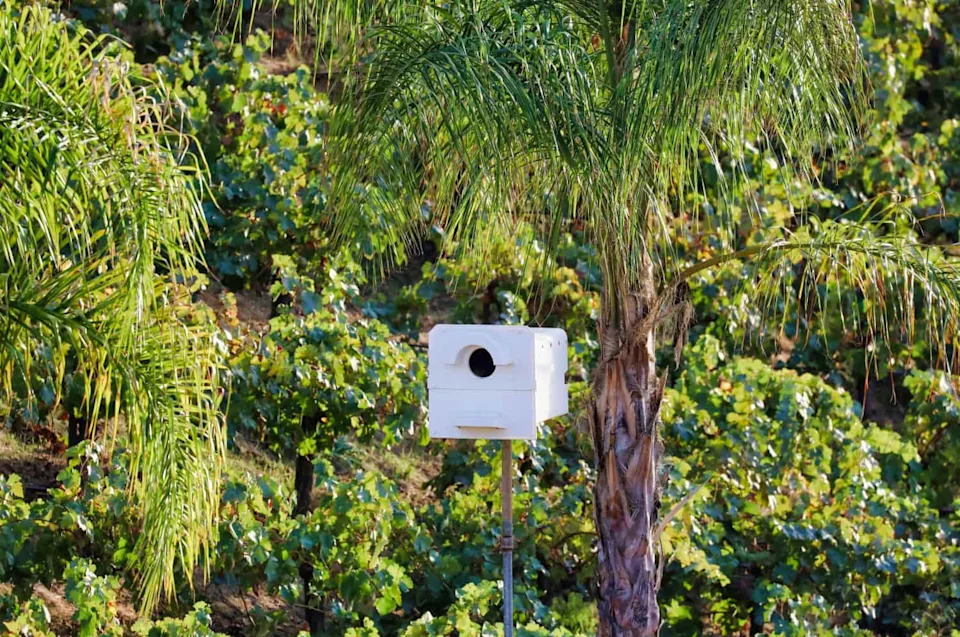
It can take up to three years for a barn owl to become established in an owl box.©Rosamar/Shutterstock.com
Why Vineyards Work Well For Barn Owls
Vineyards provide ideal hunting conditions. Grape vines and surrounding vegetation offer cover that lets owls approach quietly, and the owls’ exceptional hearing gives them an advantage over rodents that rely heavily on vision. That combination helps owls capture prey and discourages rodents from foraging in open vineyard rows.
Practical Considerations For Growers
Attracting barn owls takes patience. It may take one to three years for an owl to settle into a newly installed box, and occupancy rates vary: of more than 500 owl boxes deployed across California vineyards, roughly 30–75% were occupied by breeding owls in a given year. Still, once established, owl families provide sustained, low-chemical pest suppression that many growers find cost-effective relative to other control methods.
Conclusion: The evidence from Napa Valley suggests that integrating barn owl habitat into vineyard management can deliver meaningful pest reductions, lower long-term costs, and reduce dependence on toxic or labor-intensive controls — making barn owls a promising part of sustainable vineyard stewardship.
Help us improve.