Hungary faces an energy risk after the Danube River fell to record lows during a months-long European drought, reducing cooling water available to the Paks nuclear plant. Three of Paks’s four reactors were offline and the remaining unit ran at about 50% capacity, threatening supplies that provide roughly half of Hungary’s electricity for 10 million people. Officials warned the next few days are critical to prevent a full shutdown, while low water also exposed historic finds — about 200 boats in Serbia, a 1937 ship in Croatia and woolly mammoth remains in Bulgaria.
Hungary’s Power at Risk as Danube Falls to Record Lows — WWII Ships and Mammoth Bones Emerge
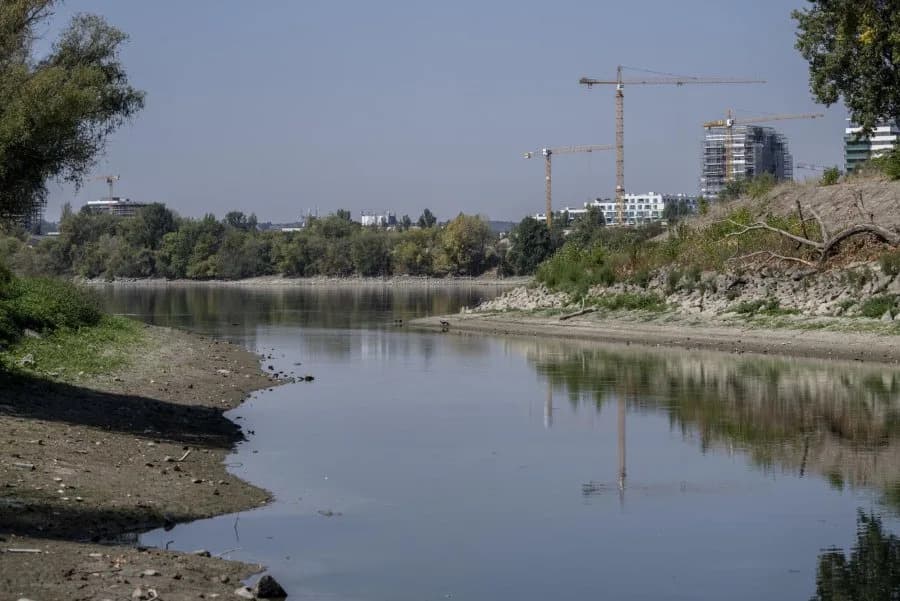
The dried banks of the Danube River are exposed due to the record low water level caused by extreme heat and drought in Budapest, Hungary. Photo by Zsolt Szigetvary/EPA
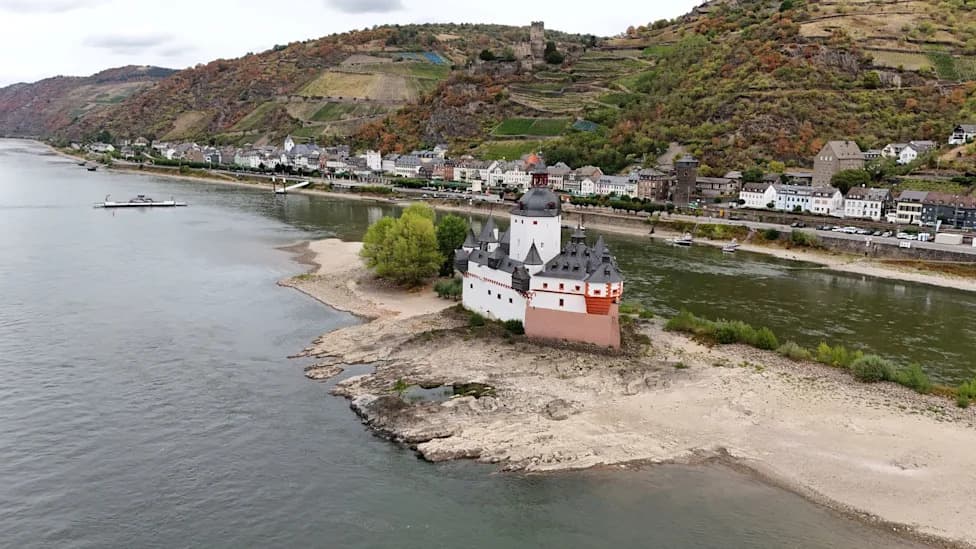
Hungary is confronting a growing energy emergency after the Danube River — the waterway that supplies cooling water to the country’s largest power station — fell to record-low levels amid a months-long drought across Europe.
The 1,800-mile Danube, which flows through 10 countries, has seen its flow drop substantially over roughly three months, reducing its capacity to support industrial cooling, river navigation and other critical uses.
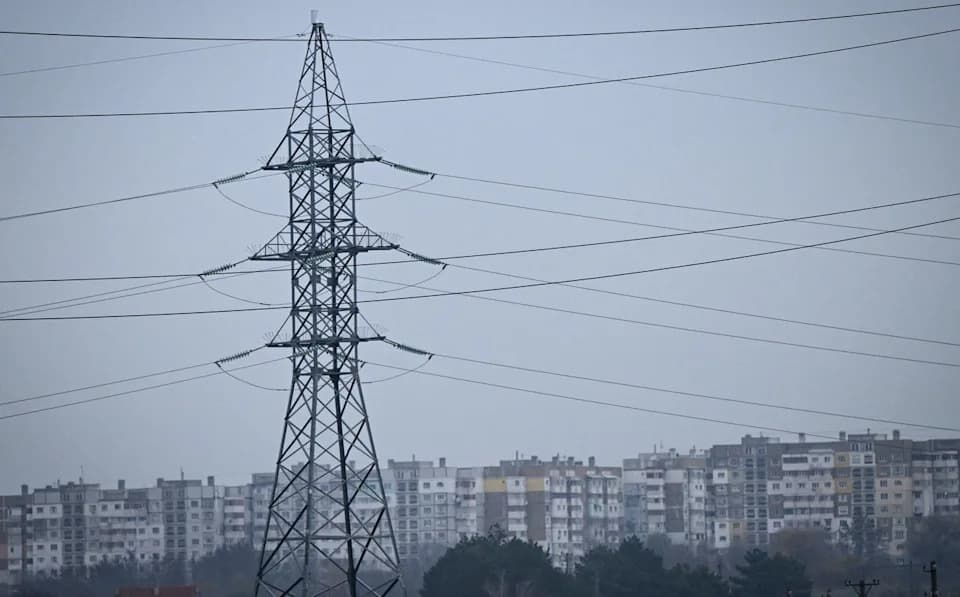
Paks Nuclear Plant Under Strain. The Danube provides cooling water to Paks, Hungary’s only nuclear power plant. As water levels fell, three of Paks’s four reactors were taken offline and the remaining unit was operating at roughly 50% capacity. Paks supplies about half of Hungary’s electricity for a population of roughly 10 million, raising the prospect of power shortages if output cannot be restored or replaced through imports.
Government warning: Hungarian leaders have warned that the coming days are critical to avoid a complete shutdown at Paks and urged citizens and businesses to conserve energy while authorities assess options.
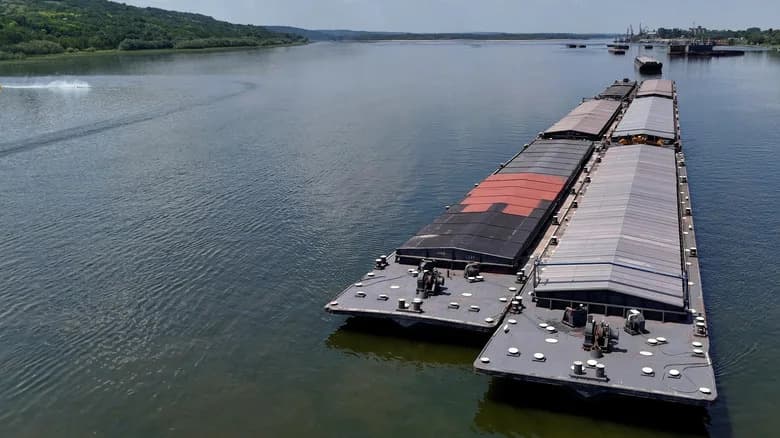
The reduced river flow has also disrupted shipping and river transport along the Danube, complicating fuel and goods deliveries in several countries.
Unexpected Finds as the River Recedes
As the Danube has dropped, previously submerged objects and archaeological remains have reappeared. In Serbia, researchers reported discovering roughly 200 boats exposed on the riverbed, including vessels believed to date from World War II. In Croatia, a ship thought to have sunk in 1937 was revealed as waters receded. In Bulgaria, local residents reported the discovery of woolly mammoth remains along the exposed banks.
While these finds have drawn scientific and public interest, officials stress the immediate priority remains stabilizing electricity supplies and ensuring safe operation of critical infrastructure.
Outlook. Authorities across the Danube basin are monitoring river levels and coordinating responses. Short-term measures may include power-conservation appeals, temporary imports of electricity, and operational adjustments at industrial facilities that rely on river cooling.
Help us improve.