The Sundance Film Festival moves to Boulder on Jan. 21, 2027, prompting the city to create a temporary Festival Lodging Rental License (April 2026) that expands short-term lodging beyond principal residences. The license allows second homes, tenant-occupied units (with owner permission) and accessory units to host guests during a narrowly defined window, capped at 29 days per year. City officials estimate the policy could add 1,000+ festival rentals by 2027; researchers say benefits must be weighed against risks to long-term housing and the public cost of incentives.
Boulder Opens Homes for Sundance: Who Wins Under the New Festival Lodging License?

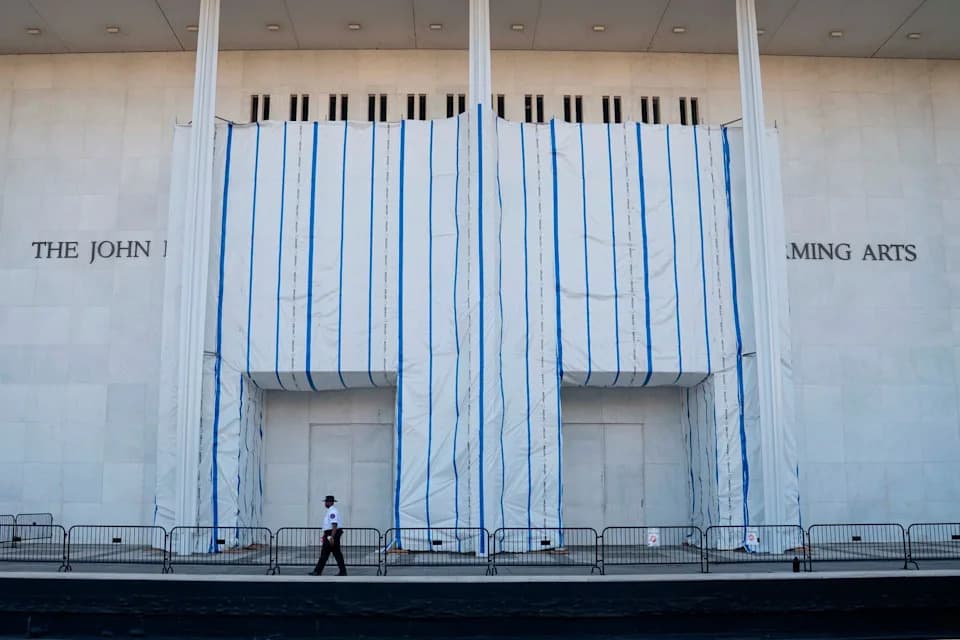
The Boulder Theater is one of many locations that will host screenings for the Sundance Film Festival in January 2027.Hyoung Chang/The Denver Post via Getty Images
When the Sundance Film Festival arrives in Boulder on Jan. 21, 2027, the city will face a familiar challenge: housing tens of thousands of visiting filmmakers and moviegoers at once. To ease that pressure, Boulder adopted a temporary Festival Lodging Rental License in April 2026 that expands who may offer short-term lodging during the event.
What the New License Does
The Festival Lodging Rental License temporarily relaxes Boulder’s usual short-term rental rules, which normally require a dwelling to be the owner’s principal residence. Under the festival license:
- Any property ownership type may qualify, including second homes and long-term rental properties (with owner permission for tenant-occupied units).
- Hosts may rent a whole home, a single room, or an accessory unit (for example, a backyard cottage or in‑law suite).
- Festival rentals are capped at 29 total days per year and can operate only during a city-approved window covering the 10 days before and the nine days after the festival.
Scale And Context
Boulder has roughly 2,900 hotel rooms and about 685 standard short-term rental licenses, according to City Council documents. By contrast, Sundance reported 85,472 in-person attendees in Utah in 2025, nearly 28,000 of whom traveled from out of state. City officials estimate the new license could add more than 1,000 festival rentals by 2027, though actual participation depends on prices, owner consent, HOA rules and residents’ willingness to host guests.
Economic Upside
The policy aims to increase local lodging capacity without building permanent hotel rooms that would sit empty much of the year. Research shows home-sharing platforms often deliver their largest benefits when hotels approach full occupancy—blunting peak hotel price spikes and creating additional options for visitors. Festival rentals may also spread visitor spending across more neighborhoods, boosting nearby restaurants, shops and services.
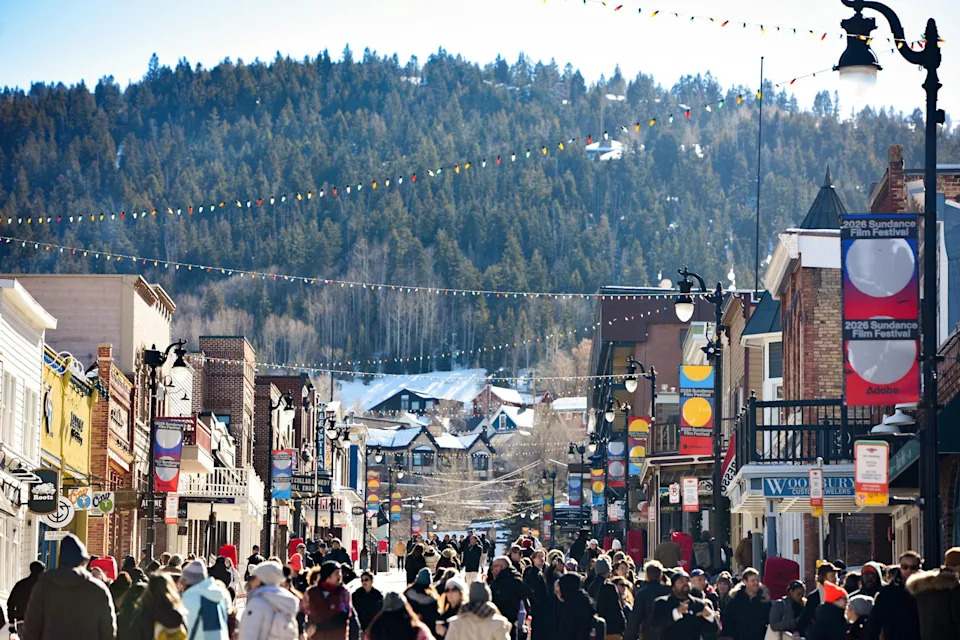
Park City, Utah, hosted the Sundance Film Festival for over 40 years.Vivien Killilea/Getty Images
Public Costs And Incentives
Sundance’s relocation to Colorado was supported by public incentives: a recent state law makes qualifying global film festivals eligible for up to US$34 million in refundable tax credits from 2027–2036. Those credits reduce state revenue, so the net fiscal case depends on whether festival-driven wages, business income and tax receipts offset the public cost.
Housing Risks
Short-term rental growth can shrink the long-term housing supply, raising rents and home prices. National studies have linked Airbnb expansion to reductions in housing stock available for long-term renters. Even short-lived surges can have persistent effects—evidence from the 2017 solar eclipse suggests temporary demand spikes can lead to sustained increases in local short-term listings. Boulder’s license tries to limit that risk by confining festival rentals to a narrowly defined event window.
How Boulder Will Judge Success
After the 2027 festival, city officials plan to evaluate the program along three key dimensions:
- Did it meaningfully increase lodging capacity during the festival?
- Were economic benefits shared among tenants, local workers, and neighborhood businesses rather than leaking to nonlocal firms?
- Did it protect the long-term housing supply and avoid converting units into ongoing tourist housing?
Publishing comprehensive, transparent data on bookings, host types, neighborhood impacts and tax receipts would help Boulder—and other cities—assess whether the experiment succeeded and how to design similar short-term rental responses to demand spikes.
Author note: This article is republished from The Conversation. It was written by Tim Komarek, an urban and regional economist at Colorado State University. Komarek has received funding from the Economic Development Administration’s University Center Program.
Help us improve.