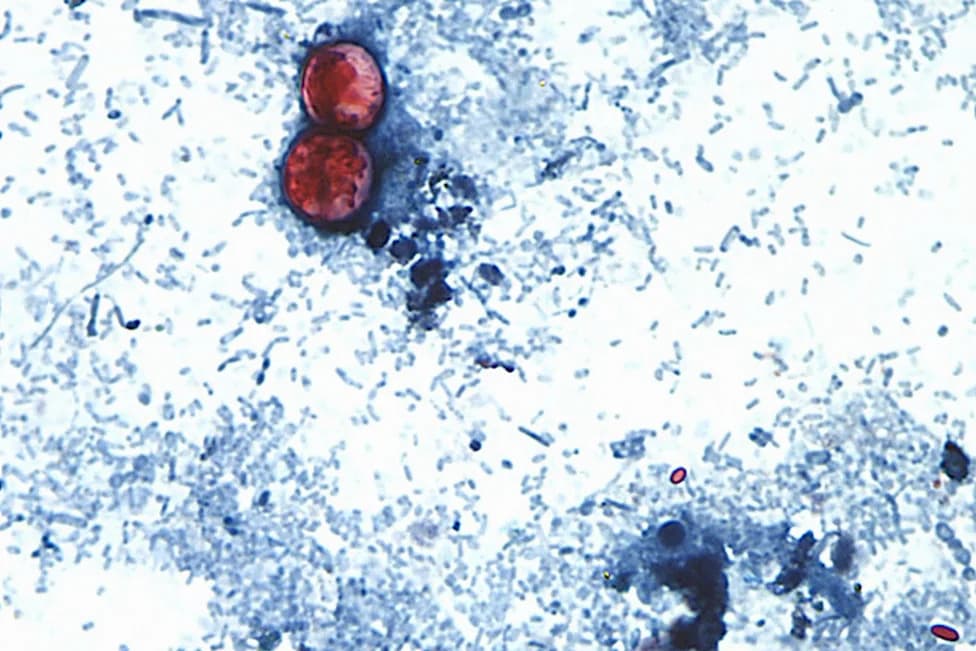
The Washtenaw County health team is conducting lengthy, detailed interviews to trace a cyclosporiasis outbreak that has sickened more than 900 residents since mid‑June. Investigators ask patients to check receipts, grocery apps and specific food details because symptoms can take up to two weeks to appear, complicating source identification. Michigan has reported over 11,000 cases statewide and two deaths; officials say fatalities are uncommon and occurred in people with serious underlying conditions. Local staff say prior funding cuts and slow federal identification have strained response capacity and morale.
Nurses Track Cyclospora Outbreak With Receipts, Long Interviews and Frustration Over Funding Gaps

Linda Kim, a nurse with the Washtenaw County Health Department in Michigan, has been helping to investigate the county's 900-plus cases of cyclosporiasis since mid-June. - Kate Wells/KFF Health News
More than 900 residents of Washtenaw County, Michigan, have fallen ill with cyclosporiasis since mid‑June, and public health nurses are making hundreds of detailed calls to trace the source. Nurse Linda Kim has phoned more than 100 patients, many of whom describe the illness as excruciating and among the worst they have experienced.
On a July Wednesday, one caller surprised Kim by saying he might not mind getting sick again because of the weight loss. Kim laughed and recorded the comment in a small conference room at the Washtenaw County Health Department just outside Ann Arbor.
Kim usually works in the clinic, where families wait for low‑cost or free immunizations. But she was reassigned earlier this year to help with a measles response and has spent months on outbreak work instead of routine clinic duties. The county’s measles outbreak began in March and concluded in late May after contact tracing and testing.
From Measles to Cyclospora
In June, reports of cyclosporiasis — a parasitic, foodborne illness — began climbing across Michigan. State officials have recorded more than 11,000 cases statewide and two deaths as of early August; the health department said both people who died had significant underlying conditions and that fatalities from cyclospora are uncommon in the U.S.

Before reports of cyclosporiasis cases started pouring in this summer, Washtenaw County Health Department staff in Michigan were working to contain a measles outbreak with contact tracing and testing. The county's outbreak ended in May. - Kate Wells/KFF Health News
Investigating cyclospora differs from tracing measles. The parasite’s incubation period can be up to two weeks, meaning patients often struggle to recall what they ate. That lag makes identifying contaminated products far more challenging than for illnesses with faster, more obvious exposure windows.
Hundreds Of Detailed Interviews
Public health staff ask patients for painstaking details: restaurant receipts, grocery app purchase histories, the brand of bagged salad, or whether a Taco Bell order was crunchy or soft. Investigators even ask people to check their credit card statements and photos of takeout packaging to jog their memories.
“Is that the crunchy one or the soft one?” Kim asked during a recent call, typing notes on a laptop covered with cat and vaccine stickers.
Staff aim to keep interviews under an hour but are managing hundreds of calls. Many patients volunteer blunt, often graphic descriptions of symptoms and daily struggles, which nurses say they handle professionally but which adds emotional strain to the work.
Strained Resources and Slow Federal Signals
Local staff say federal funding cuts in recent years forced the state and many local health departments to scale back surveillance and response capacity. The Michigan Department of Health and Human Services previously lost a contract that funded dozens of positions, and some lab support was reduced. Although some funding was restored after legal action, Washtenaw County still faces staff shortages and reorganizations.
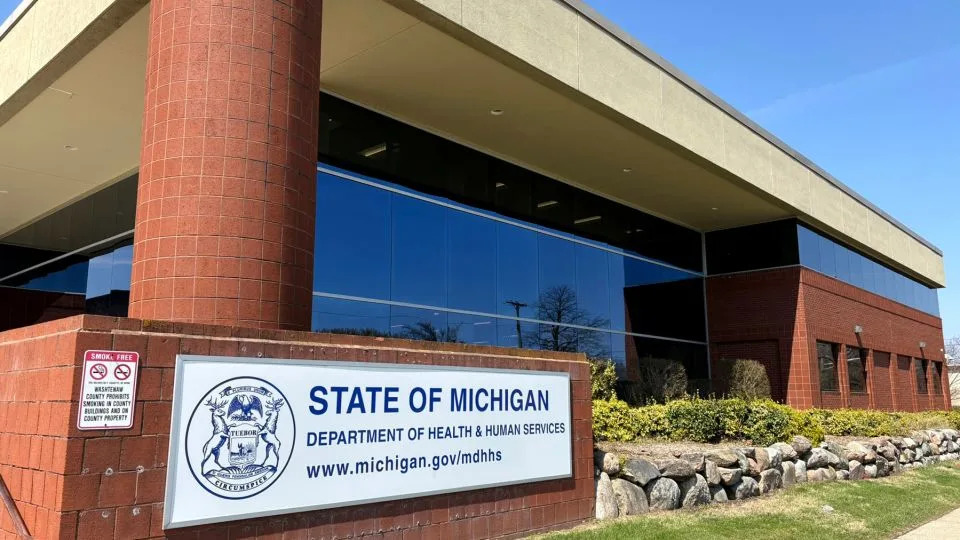
Staff at the Washtenaw County Health Department in Ypsilanti, Michigan, have been working to trace the sources of the recent cyclospora outbreaks by conducting detailed, often lengthy interviews with hundreds of people. - Kate Wells/KFF Health News
At times, a CDC employee was assigned to the county office only to be furloughed amid the funding upheaval. Locally, nurses say the federal response to the cyclospora surge felt slow: several staffers noted that restaurants and stores began pulling suspect lettuce from shelves before authorities publicly identified it as a likely vehicle.
At a July 14 press call, Gwen Biggerstaff, deputy director of the CDC’s Division of Foodborne, Waterborne, and Environmental Diseases, explained that pinpointing a specific source for cyclospora can take a long time or may never be possible because of the parasite’s incubation period and the complexity of tracing food exposures.
Keeping Teams Going
Supervisors try to sustain morale amid heavy workloads. Christina Zilke, a nursing supervisor, stocks coffee and brings pizza not as a reward but as practical support to help staff continue through long shifts.
Kim, who has worked at the county health department for two years, called the months since March a surreal initiation: first measles, then a large cyclospora response. “If nationally they don’t know what’s going on, how are we locally expected to know what’s going on?” she said. Still, she keeps returning calls and gives each patient her work number for follow‑up questions.
What to know: Cyclospora is treatable, and public health teams are working to identify exposures. Because symptoms can appear up to two weeks after eating contaminated food, anyone experiencing prolonged gastrointestinal illness should seek medical attention and share recent food histories with clinicians.
Help us improve.