Key Takeaway: Claims that Indonesia’s mRNA dengue vaccine prototype will alter DNA or be "controlled by AI" are false. Experts and the Health Ministry say mRNA instructions are temporary and break down naturally, and AI is used only for modelling — not embedded in the vaccine. The candidate remains in early development and must pass preclinical and clinical trials before any use.
Indonesia’s mRNA Dengue Vaccine Prototype Sparks Conspiracy Claims — Experts Debunk DNA and AI Fears
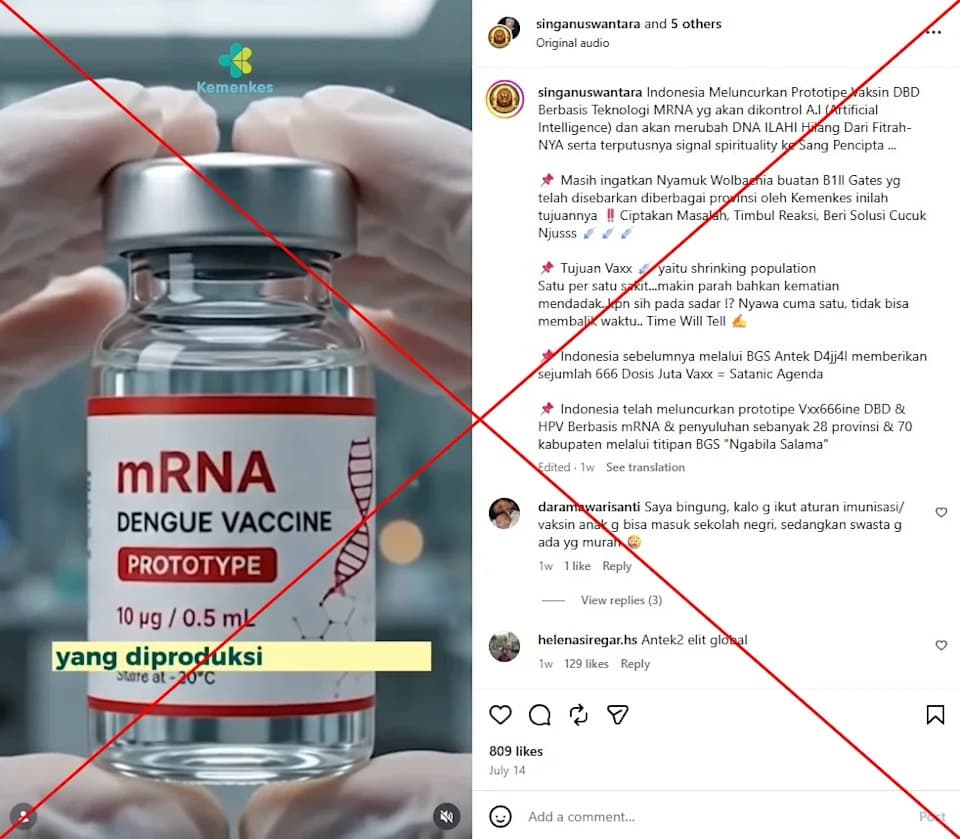
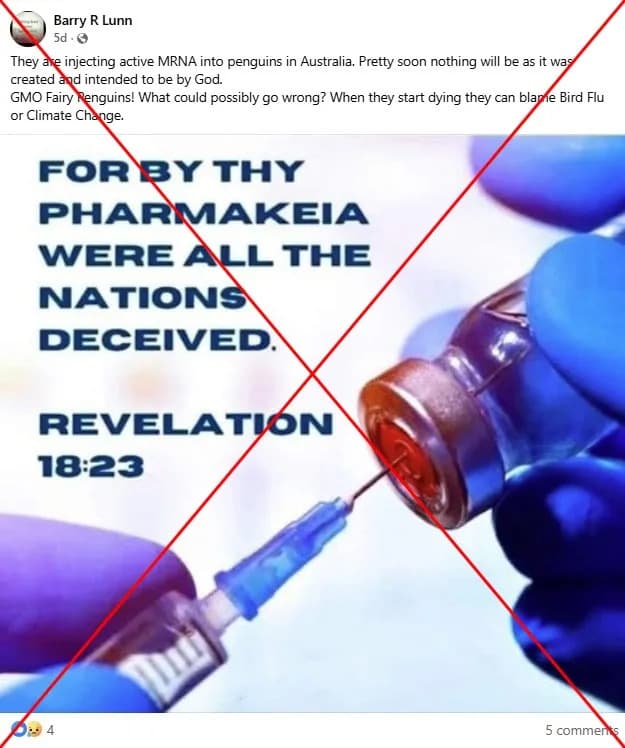
Screenshot of the false post captured on July 28, 2026, with a red X added by AFP
Indonesian researchers’ announcement of an mRNA-based dengue vaccine prototype has triggered a wave of online misinformation claiming the shot will "alter DNA" or be "controlled by AI." Health officials and independent scientists say those claims are false and repeat long-debunked Covid-era conspiracy theories.
What Happened
On July 8, 2026, researchers from the University of Indonesia and Tsinghua University reported developing an mRNA dengue vaccine prototype that could move toward preclinical testing. Social media posts — including an Indonesian-language Instagram message shared on July 14 that has been widely viewed — falsely claimed the vaccine would change recipients’ DNA, be controlled by artificial intelligence and even serve a population-control agenda.
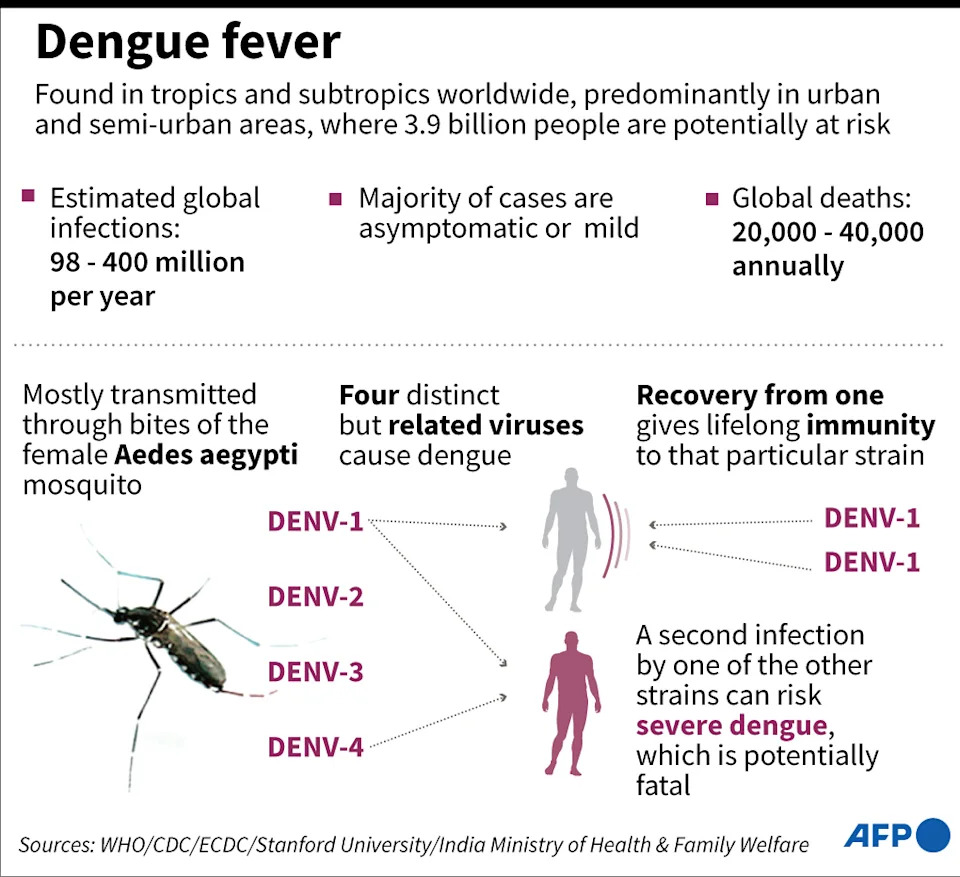
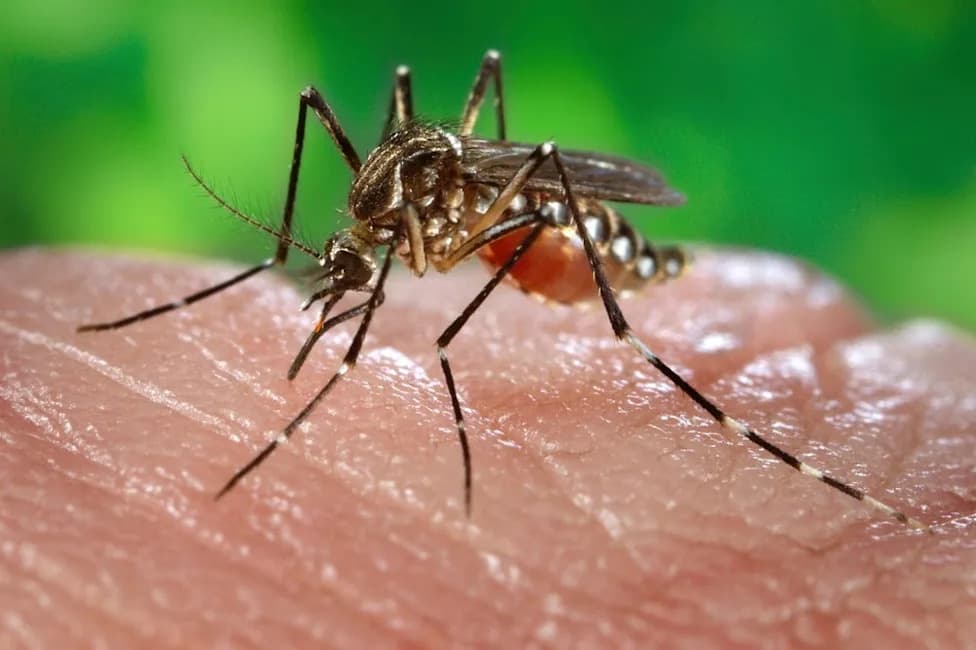
Factfile on the mosquito-borne dengue virusAFP
Why The Claims Are False
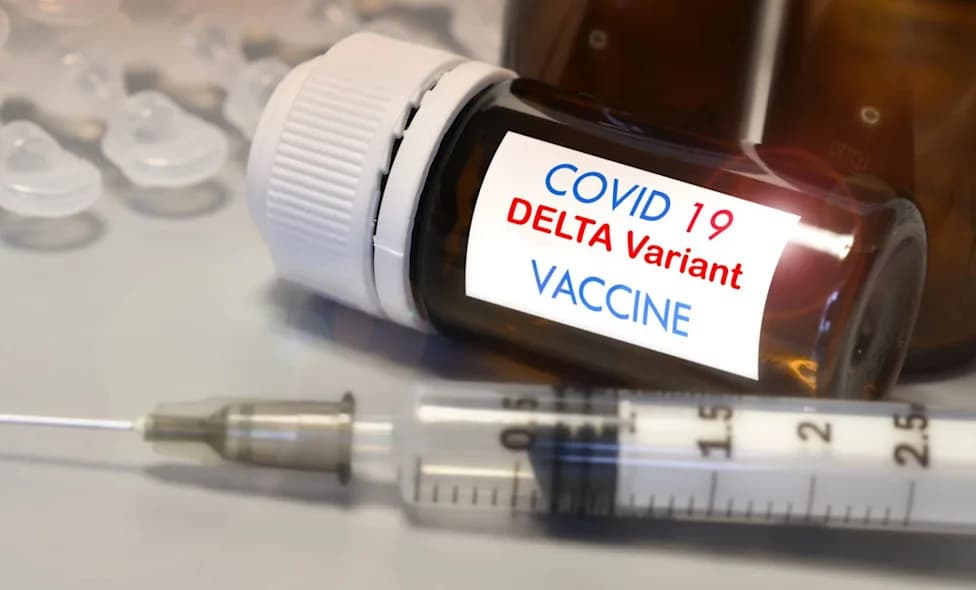
mRNA Does Not Alter DNA: Experts and the Indonesian Health Ministry told AFP that mRNA vaccines provide temporary instructions that prompt cells to make a harmless piece of a pathogen protein, triggering an immune response. The mRNA then breaks down naturally and does not integrate into human DNA. Scientists note mRNA lacks the enzymes required to convert RNA into DNA and insert it into chromosomes.
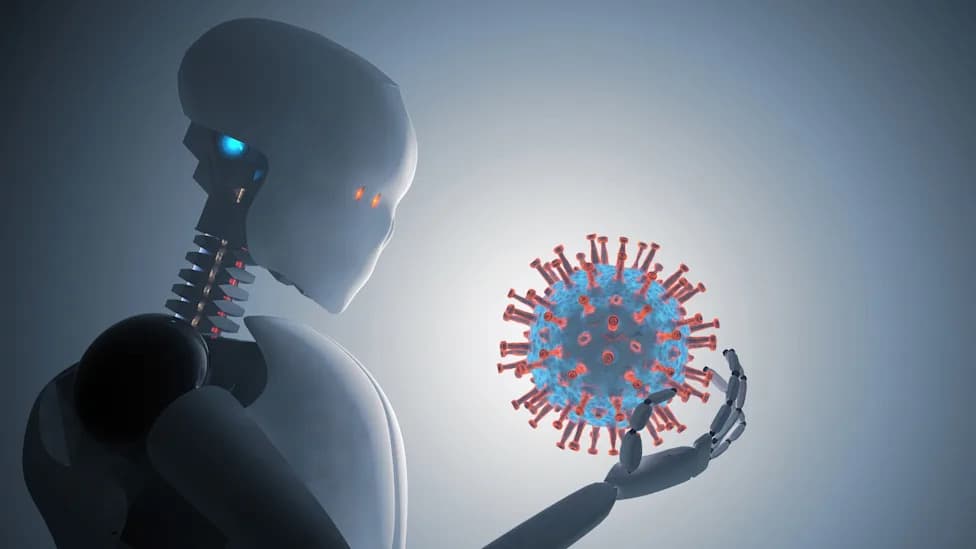
AI Is Used In Design, Not Embedded In Vaccines: AI can help researchers model likely virus mutations and optimize vaccine design, but a finished vaccine is a biological product composed of molecules (mRNA, lipids and other excipients). It contains no processors, software, sensors or power sources and therefore cannot be "controlled by AI" inside a human body.
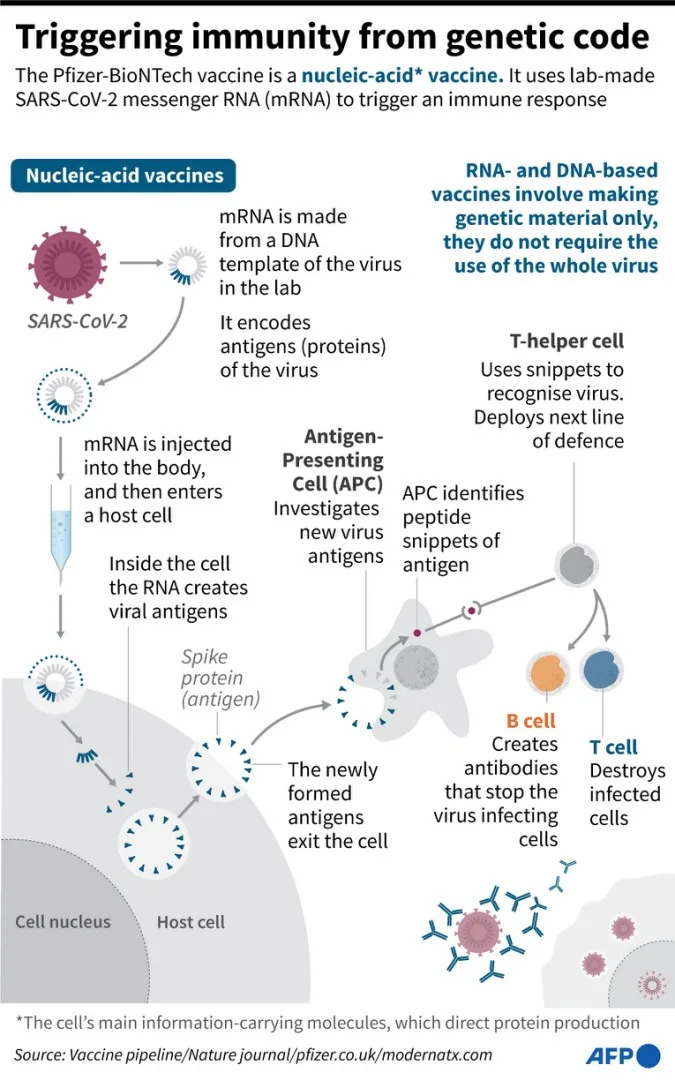
How the Pfizer-BioNTech vaccine uses genetic information from SARS-CoV-2 to stimulate the body's immune responseJohn SAEKILaurence CHUAFP
Context And Public Health
Indonesia records roughly 151,000 dengue cases annually, making dengue a high-burden disease alongside tuberculosis, HIV and malaria. The World Health Organization estimates 100–400 million dengue infections worldwide each year, with nearly half the global population at risk.
Two live-attenuated dengue vaccines are currently approved in Indonesia: Qdenga (recommended in some settings for 6–16-year-olds in high-transmission areas) and Dengvaxia (being phased out). Unlike live-attenuated vaccines, mRNA vaccines do not contain live pathogens and can be manufactured more rapidly because they do not require growing virus in culture.
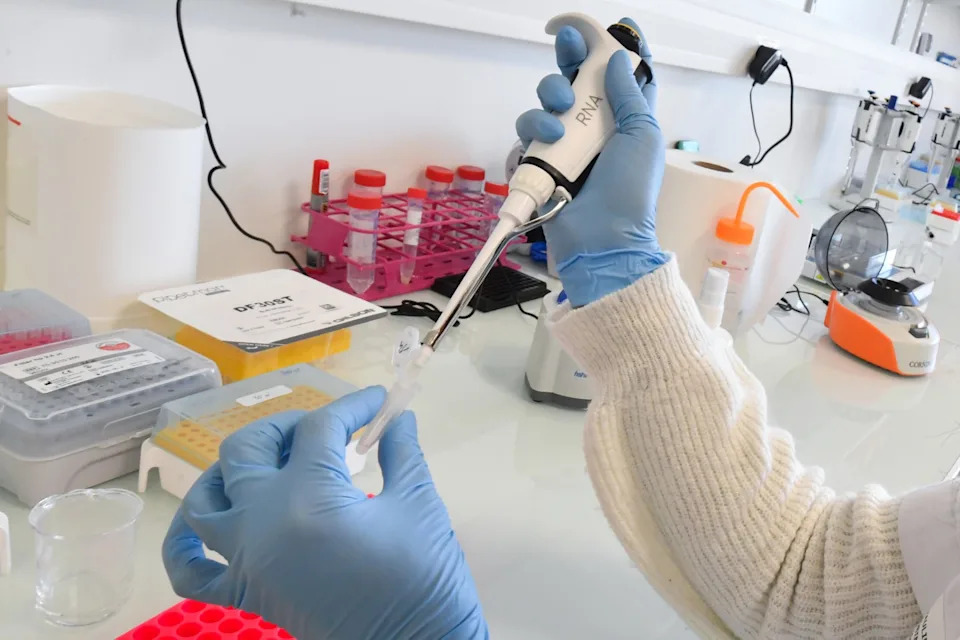
A researcher dilutes messenger RNA (mRNA) at the Inserm ART-RNAm laboratory of the CHR (Regional Hospital Centre) in Orleans, central France on November 18, 2025JEAN-FRANCOIS MONIERAFP
Expert Views And Next Steps
Researchers such as Thomas Preiss (John Curtin School of Medical Research) and Lukas Gerstweiler (Adelaide University) emphasized there is no credible scientific evidence that mRNA vaccines alter DNA. Mitch Ganley (University of Melbourne) noted that mRNA is a naturally occurring molecule present in nearly every cell and that using mRNA in vaccines is not more likely to affect DNA than endogenous RNA.
The Indonesian Health Ministry reiterated that the prototype remains at an early stage and must pass preclinical studies, clinical trials and strict regulatory review before any public rollout. AI’s role, the ministry said, is limited to predictive modelling to help the vaccine remain effective against potential future dengue variants.
Bottom Line
"mRNA vaccines do not alter human DNA and are not controlled by AI," a Health Ministry spokesperson told AFP.
As research progresses, check official public-health sources and peer-reviewed studies for verified information, and be cautious of social posts that recycle debunked claims from earlier pandemics.
Help us improve.