Applying AI to more than 10,000 polysomnograms uncovered five distinct patient subtypes tied to very different long‑term health risks — a pattern the standard apnea‑hypopnea index missed. An automated oxygen‑titration system kept patients in target oxygen range 85% of the time versus 63% with standard care in a 300‑patient trial. In a 343‑patient mid‑stage trial, LTG‑001, a selective Nav1.8 inhibitor, reduced post‑abdominal surgery pain more than placebo and Vicodin, with about half of high‑dose patients remaining opioid‑free over 48 hours.
AI Finds Hidden Health Signals in Sleep Tests — Predicts Mortality, Improves Oxygen Care, and Highlights Non‑Opioid Pain Breakthrough

FILE PHOTO: A participant sleeps during the 2026 Power Nap contest at Han River park in Seoul, South Korea, May 2, 2026. REUTERS/Kim Soo-hyeon
Researchers report that applying artificial intelligence to routine clinical data is revealing previously hidden health signals across multiple domains — from long‑term risks detected in overnight sleep studies to better oxygen management in hospitals and a promising non‑opioid analgesic for post‑surgical pain.
AI Helps Find Untapped Health Predictors in Sleep Studies
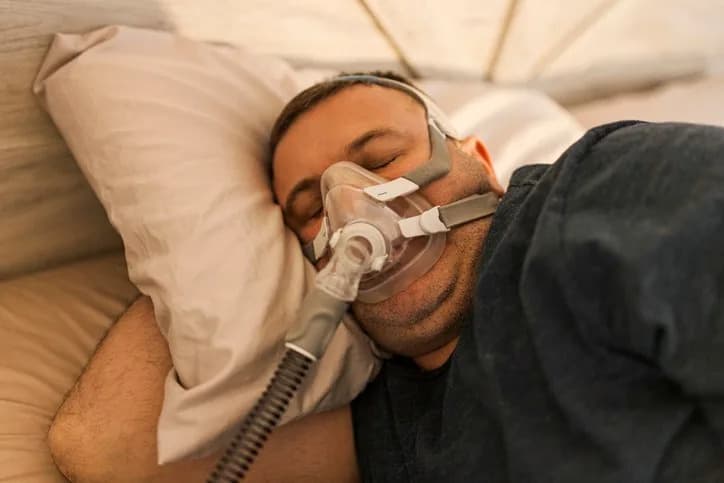
Polysomnograms (in‑lab overnight sleep studies) collect extensive information on breathing, brain activity, muscle tone and more, but clinicians typically rely on a few summary measures such as the apnea‑hypopnea index (AHI). In a study published in Nature, investigators trained AI models on more than 10,000 full‑night sleep studies and linked the physiologic patterns the models found to long‑term outcomes in patients' medical records.
The AI identified five clinically meaningful patient subtypes with markedly different health trajectories. Patients in the highest‑risk subtype had roughly double the odds of dying within five years compared with those in the lowest‑risk subtype — a separation that the AHI did not capture. Compared with the lowest‑risk group, the highest‑risk group showed a 65% higher odds of heart failure, 84% higher odds of heart attack, 93% higher odds of cognitive impairment, and more than 200% higher odds (i.e., more than triple the odds) of atrial fibrillation and epilepsy.
The model performed well for both men and women and was validated in an independent nationwide cohort of more than 6,000 patients, demonstrating similar accuracy. "For decades we have distilled an overnight sleep study into a handful of summary measures," said study leader Dr. Reena Mehra of the University of Washington. "AI gives us the opportunity to move beyond those summaries and learn from the full richness of sleep physiology."
Automated Oxygen Titration Keeps Patients in Target Range
A separate randomized trial of 300 adults across four U.S. hospitals tested autonomous oxygen titration using PRO100 (O2matic) versus standard clinician‑managed oxygen adjustments. Patients whose oxygen was managed by the automated system spent 85% of the time in the target oxygen range versus 63% in the standard‑care group, with less time spent both below and above target and fewer manual adjustments by staff.
The system continuously monitors fingertip oxygen levels and adjusts flow in real time. Investigators reported no increase in serious adverse events in the automated group. Study leader Dr. Adit Ginde noted that automated titration can free clinicians — and medics in resource‑constrained settings — to focus on other urgent tasks.
Experimental Non‑Opioid Drug Outperforms Vicodin for Post‑Surgical Pain
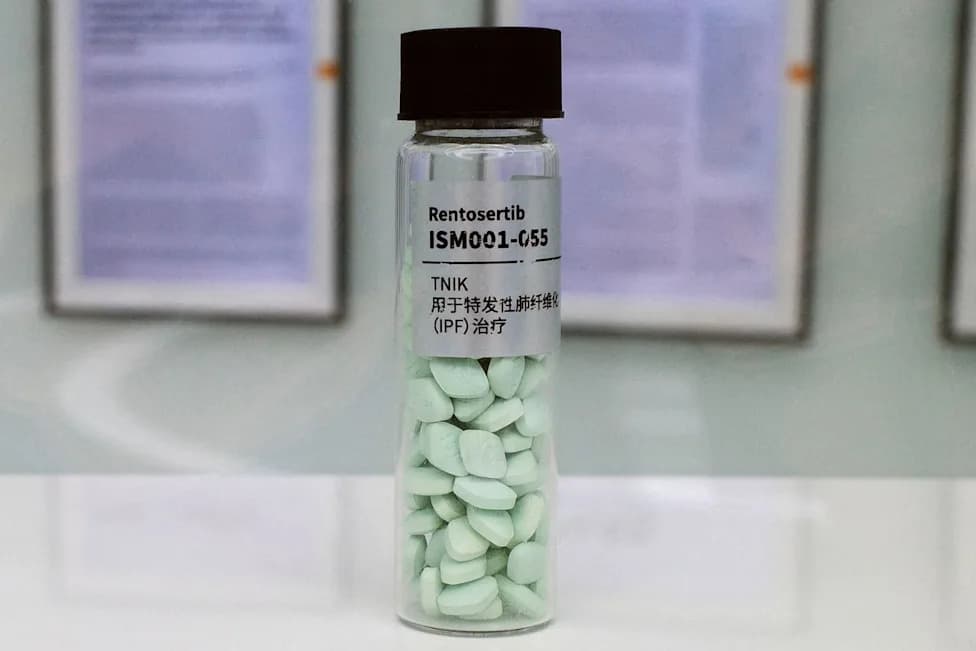
In a mid‑stage randomized trial reported in The New England Journal of Medicine, LTG‑001 (Latigo Biotherapeutics), a selective Nav1.8 inhibitor, produced greater pain relief after abdominal surgery than both placebo and the commonly prescribed opioid Vicodin. The trial enrolled 343 patients with moderate to severe post‑operative pain who received high‑ or low‑dose LTG‑001, placebo, or Vicodin.
High‑dose LTG‑001 delivered significant pain improvement over 48 hours versus placebo and about a 50% larger analgesic effect than Vicodin. Just over half of patients receiving the high dose remained opioid‑free during the 48‑hour treatment window, compared with 22% in the placebo group. Reported adverse events were mostly mild to moderate.
"These results add to the growing evidence supporting investigation of novel, non‑opioid mechanisms for pain management," said study coauthor Dr. Harold Minkowitz of MD Anderson Cancer Center.
Taken together, these studies illustrate how AI and automation can extract additional clinical value from existing data and devices, and how new pharmacologic approaches may reduce reliance on opioids for acute surgical pain. Further research and broader clinical validation will determine how rapidly these findings translate into routine care.
Help us improve.