Scientists used CRISPR to create two beagles, Bailey and Alfie, that lack a major allergy-causing protein in their saliva and fur. Tests—including a skin-prick on an allergic owner—found no reaction to the edited beagles, and the study is the first successful use of this method in dogs. Researchers caution that the edited gene is not the sole cause of dog allergies, and they call for broader human trials, long-term health monitoring and careful ethical review before commercial adoption.
Gene-Edited Beagles Offer Hope For People With Dog Allergies — But Questions Remain

Matt Walker sits at home with Bailey, his gene-edited hypoallergenic beagle, in New York on Aug. 4, 2026. (AP Photo/Mary Conlon)(AP Photo/Mary Conlon)
NEW YORK — Scientists using CRISPR gene editing have produced two beagles, Bailey and Alfie, that lack a major dog allergy protein in their saliva and fur, a development that could eventually help people who cannot tolerate dogs.
Matt Walker, a geneticist who is allergic to dogs, said the change has allowed him to live with Bailey without the usual sneezing, itchy eyes and rashes. "The feeling right now is sort of a mix of relief and awe and gratitude that it worked," Walker said. His company, Kindred Companion Sciences, created Bailey and her twin Alfie using the Nobel Prize–winning CRISPR technique.

This 2025 photo provided by Matt Walker shows Alfie and Bailey, gene-edited hypoallergenic dogs, in New York. (Matt Walker via AP)(Matt Walker via AP)
How the Dogs Were Created
Researchers edited the DNA of dog skin cells in the lab to switch off the primary gene responsible for producing a key allergy-causing protein. The edited genetic material was inserted into eggs that were carried by a beagle surrogate, which gave birth to two healthy female pups in September 2024. Tests on saliva and fur samples from the puppies showed no detectable levels of the targeted protein.
Scientists also performed a skin-prick allergy test on Walker using extracts from the animals' saliva and dander. He reacted to samples from a poodle and a goldendoodle, but not to extracts from the gene-edited beagles. The research was published in the CRISPR Journal and is the first successful demonstration of this specific approach in dogs.

Matt and Maggie Walker pose for a photo with their gene-edited hypoallergenic beagle, Bailey, in New York on Aug. 4, 2026. (AP Photo/Mary Conlon)(AP Photo/Mary Conlon)
What This Means — And What It Doesn't
Important caveat: The edited gene appears to be the main producer of a major canine allergen, but it is not the only protein that can trigger allergic reactions in people. Experts say larger human trials are needed to confirm whether these gene-edited dogs can reliably prevent allergic symptoms across a broad range of people with dog allergies.
Dr. Jeff SoRelle, a pathologist at UT Southwestern Medical Center who was not involved in the study, noted: "We don't exactly know just how effective or broadly useful this could be for stopping dog allergy in humans." The team also emphasizes the need for routine veterinary monitoring of the pups to watch for any long-term health effects.
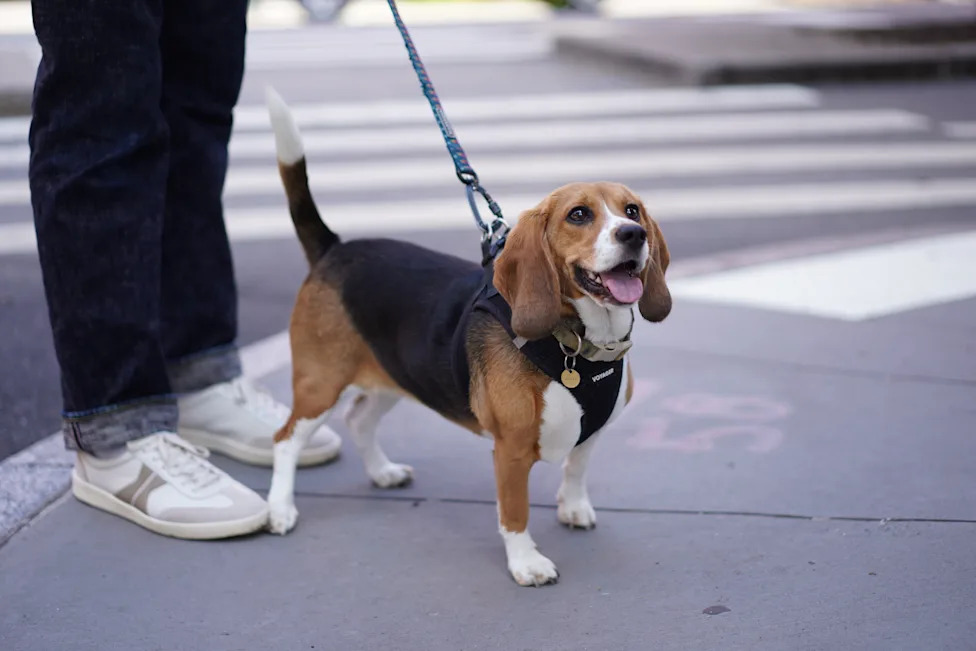
Bailey, a gene-edited hypoallergenic beagle, poses for a photo in New York on Aug. 4, 2026. (AP Photo/Mary Conlon)(AP Photo/Mary Conlon)
Ethical, Practical And Commercial Questions
Outside experts warn the innovation could have unintended social effects. Bioethicist Arthur Caplan of NYU said while gene-editing could "open the door to a lot more people being able to own pets," it might also discourage adoption of shelter animals and shift demand toward engineered pets.
Past attempts to create hypoallergenic pets—often via cloning—have produced animals with poorer health due to their genetic similarity. Two years ago, researchers used CRISPR to reduce an allergy-causing protein in a cat named Alsik, but safety questions remain. Commercializing a gene-editing approach also requires work to scale production, ensure affordability and navigate regulatory oversight.
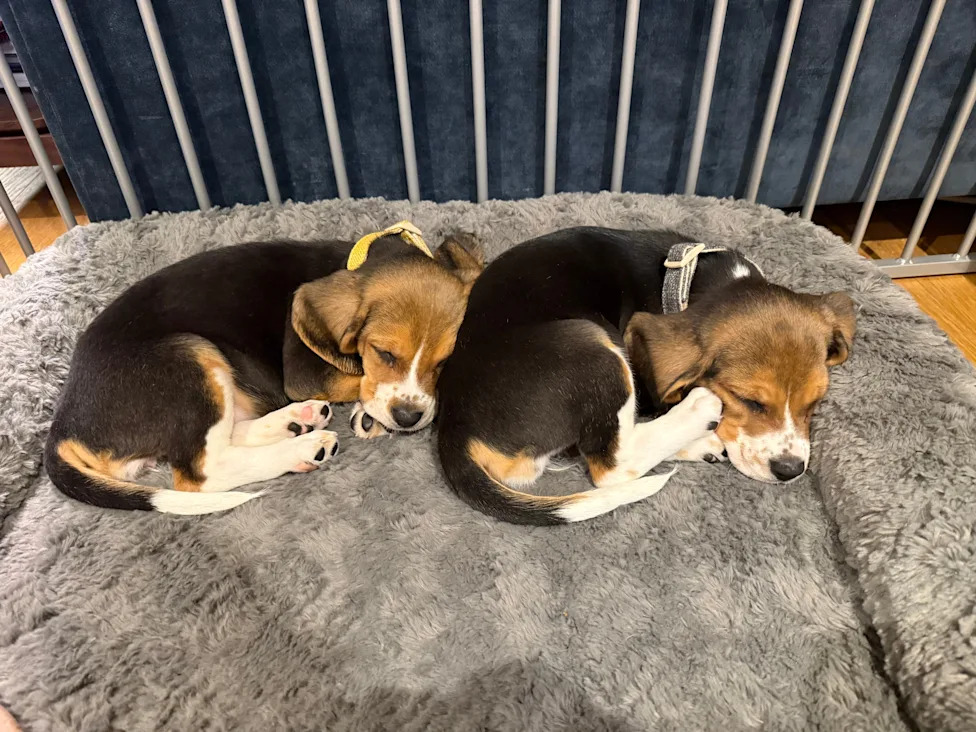
This 2024 photo provided by Matt Walker shows Alfie and Bailey, gene-edited hypoallergenic dogs, in New York. (Matt Walker via AP)(Matt Walker via AP)
Next Steps
Kindred Companion Sciences says the same allergy-linked gene exists across dog breeds and plans additional testing in other breeds and service animals. Researchers call for broader human testing, longer-term health monitoring of the edited dogs, and careful consideration of ethical and adoption-related impacts before the technology could become widely available.
Bailey lives with Walker in New York, and Alfie lives with another Kindred scientist in Florida. Walker, who long avoided pets because of severe allergies, says Bailey has already become part of the family: "It feels just amazing to get to have a dog," he said.
Note: The Associated Press Health and Science Department receives support from the Howard Hughes Medical Institute's Department of Science Education and the Robert Wood Johnson Foundation. The AP is solely responsible for all content.
Help us improve.