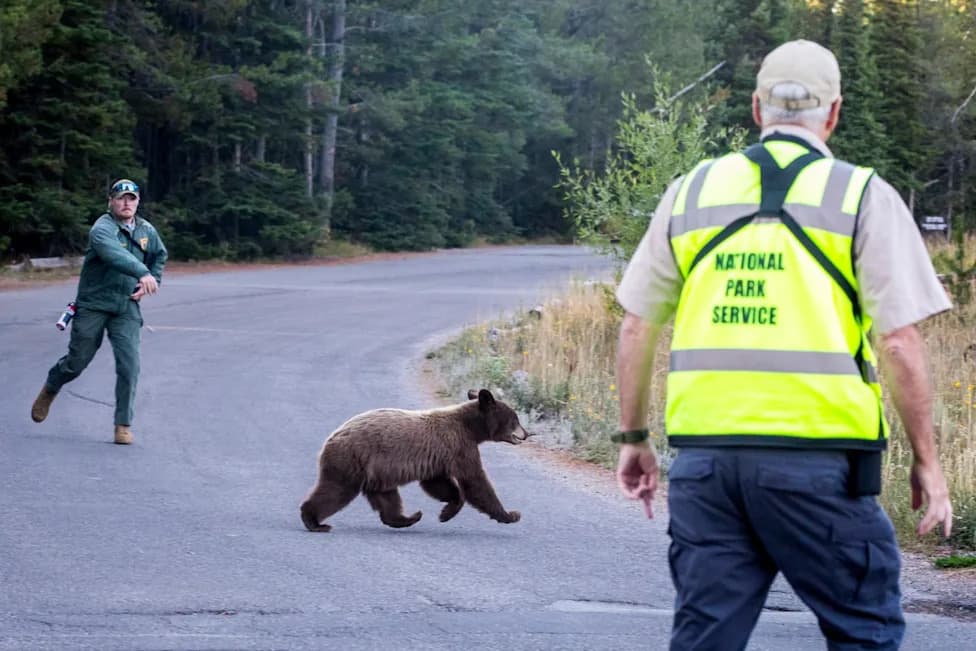
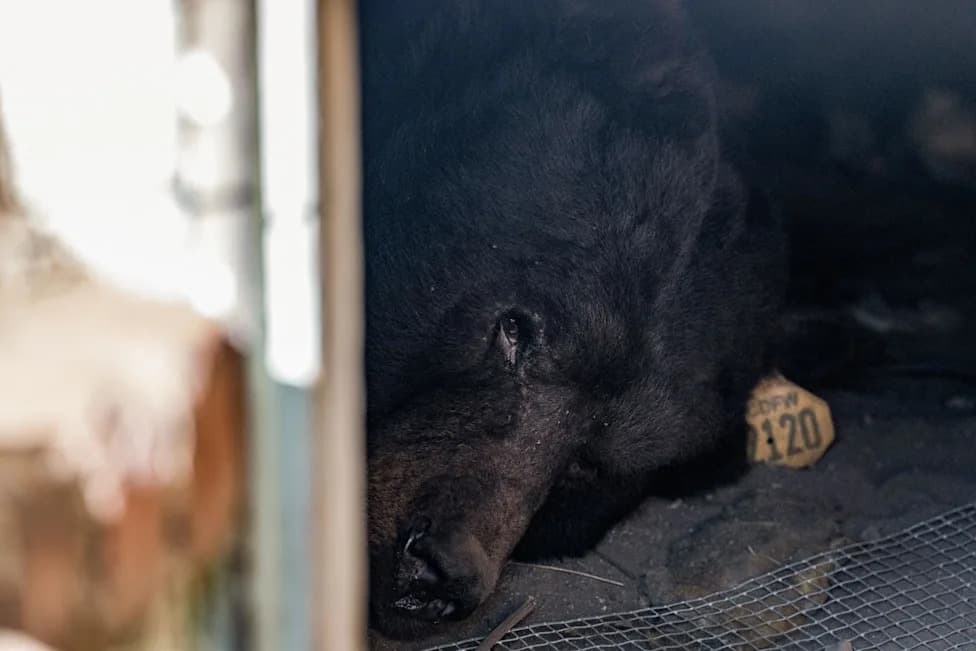
Two studies in Current Biology show that black and brown bears and mountain lions actively avoid humans rather than simply reacting to encounters. In Alaska, bears fled far more often when exposed to human voices or vehicle noise than to neutral gull calls; in California, mountain lions used GPS‑tracked movement to avoid trails when Strava data showed high human activity. These avoidance behaviors likely reduce attacks and have important ecological consequences—so researchers urge humans to adjust when and where we use wild spaces to support coexistence.
Humans: The Predator Even Bears and Mountain Lions Avoid — What New Studies Reveal
(Cris Cantón/Moment/Getty Images)
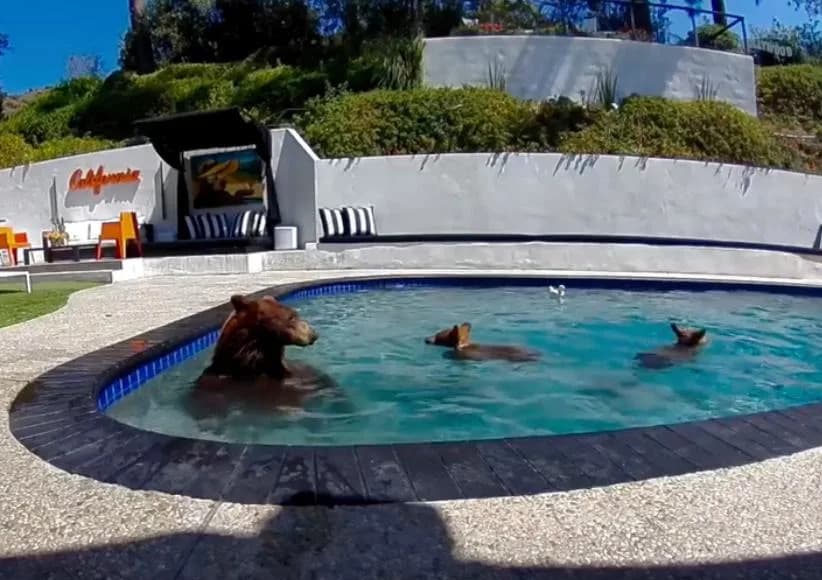
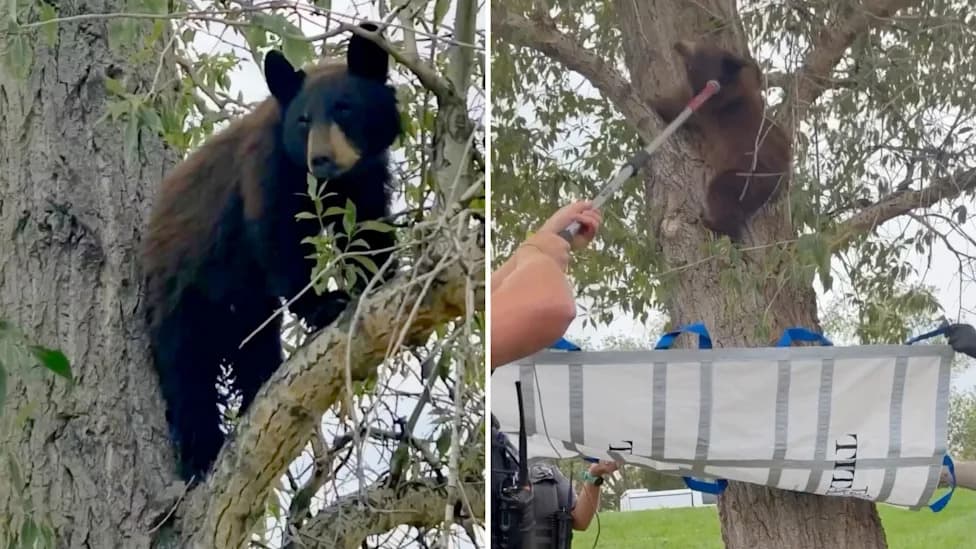
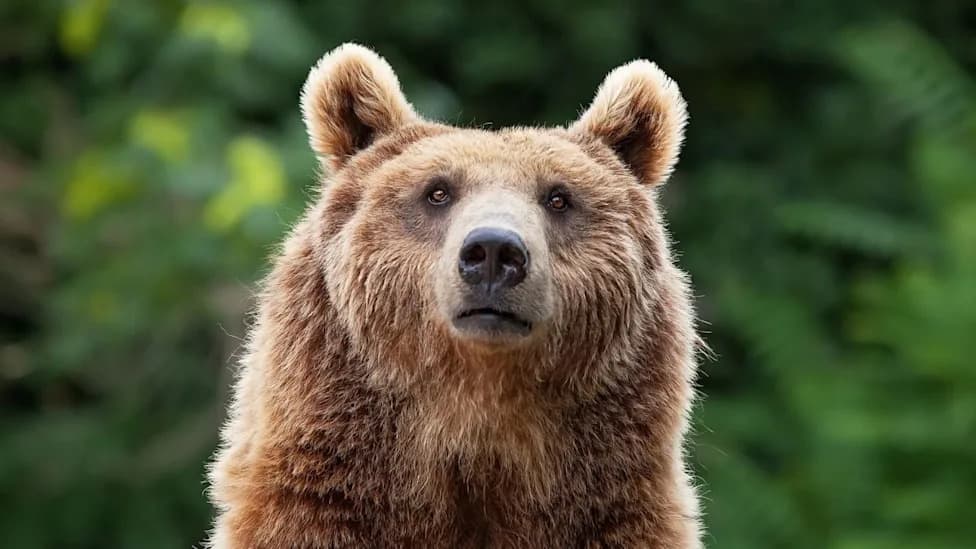
The wilderness of North America is home to some of the continent's most formidable carnivores: black and brown bears capable of inflicting catastrophic injury with a single swipe, and mountain lions that stalk with near‑silent stealth. Yet two recent studies published in Current Biology reveal a striking reality: there is one predator these apex species actively try to avoid.
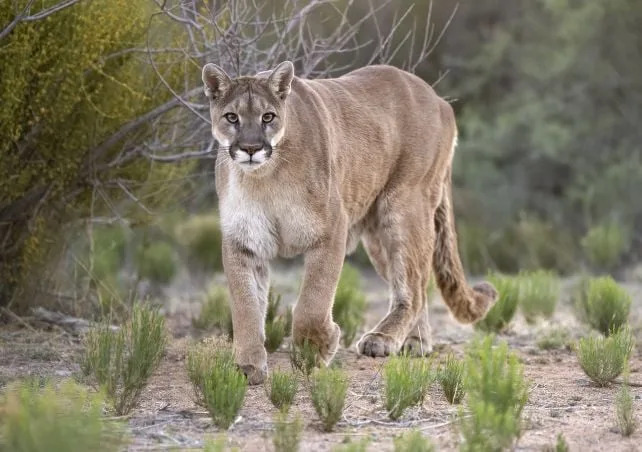
Mountain lions rarely attack humans. (Kathleen Reeder Wildlife Photography/Moment/Getty Images)
That predator is us. Attacks on people by large carnivores are exceptionally rare. In fact, across North America an individual is far more likely to be struck by lightning than to be attacked by a bear or mountain lion.
YouTube Thumbnail
What the studies did
Yale ecologist Oswald Schmitz synthesized the two papers in a dispatch for Current Biology, arguing that the findings reshape how we think about human–carnivore interactions. Rather than behaving like typical prey, bears and pumas appear to perceive humans as a significant threat and proactively change their behavior to avoid contact.
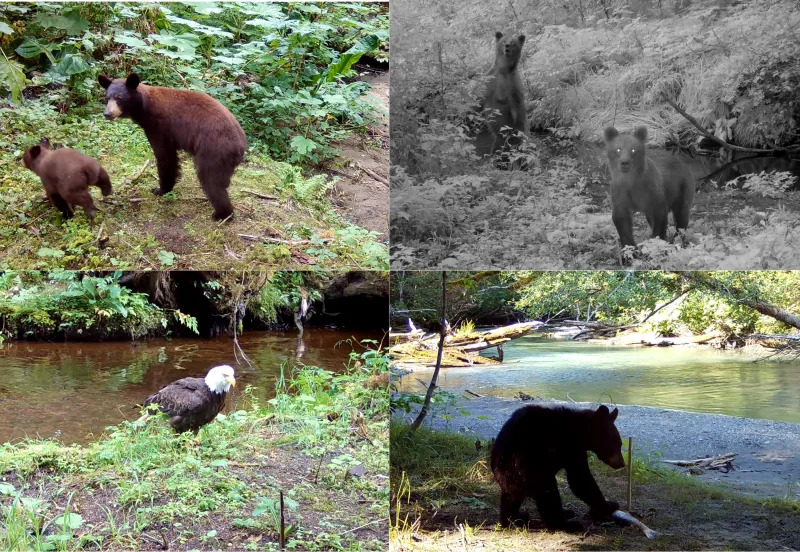
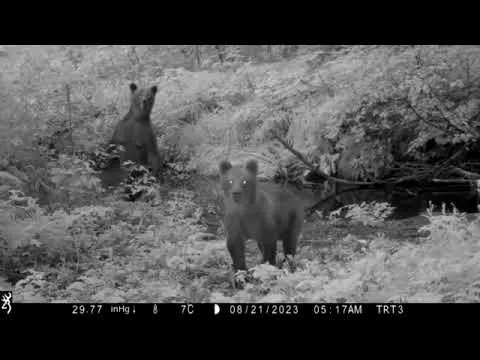
Top left: A cinnamon-colored black bear and her cub flee after hearing human voices. Top right: Brown bears on alert after hearing engines from an off-highway vehicle. Bottom left: A bald eagle eats a freshly caught meal from the nearby stream, ignoring the control sounds of gull calls. Bottom right: A black bear continues to eat a salmon, ignoring the gull calls at a control site. (Forest Service photos)
One study, led by USDA Forest Service wildlife biologist Philip Manlick, examined black and brown bears feeding on salmon along streams in southeast Alaska. Motion‑triggered speakers played one of three sounds whenever a bear approached a feeding site: gull calls (a neutral control), off‑road‑vehicle noise, or recordings of human voices. Cameras recorded each bear's response.
YouTube Thumbnail
The results were clear: bears were about twice as likely to retreat when they heard vehicle noise compared with gull calls, and nearly ten times more likely to flee when they heard human voices. These avoidance responses matter ecologically because bears commonly carry salmon carcasses into surrounding forests; those carcasses decompose and fertilize the soil, supporting broader ecosystem processes that can be disrupted when bears abandon feeding opportunities.

Subscribe to ScienceAlert's free fact-checked newsletter
The second paper, led by John Morgan of the University of California, Santa Cruz, used six years of GPS tracking from 36 tagged mountain lions in the Santa Cruz Mountains and compared their movements with human activity maps derived from the Strava fitness app. Mountain lions did more than react to immediate human presence: they anticipated when and where people would be active and adjusted their movements to avoid those places at those times.
Importantly, even in areas with heavy human activity, researchers did not find a corresponding rise in aggressive attacks. Where incidents were more common, the pattern was better explained by higher encounter rates—simply more people and more potential meetings—rather than increased boldness by the predators.
Numbers for perspective
To put risk in perspective: grizzly (brown) bears average roughly 11.4 attacks per year in North America. Mountain lions account for about 4–6 attacks per year. Records show 63 human fatalities from black bear incidents between 1900 and 2009. By contrast, approximately 580 people are struck by lightning each year across the United States and Canada—an order of magnitude greater than fatal brown bear attacks.
Why this matters
Taken together, the studies indicate that bears and mountain lions take deliberate actions to minimize contact with humans: bears abandon feeding sites when they detect human cues, and mountain lions plan movements around predictable human routines. In other words, these species already shoulder much of the burden of avoiding dangerous encounters.
"By being cognizant of how they shape the landscape of fear experienced by carnivores and their prey species," Schmitz writes, "humans can adjust spatial and temporal use of landscapes to transform the human–carnivore relationship from conflict to coexistence."
Practically, this means managers and recreationists can reduce conflicts by limiting noisy or unpredictable activities in sensitive areas, maintaining quiet corridors for wildlife, and recognizing predictable times and places of human use. Protecting the animals' ability to avoid us not only lowers risk to people but also preserves important ecological processes—such as nutrient transport from salmon by bears—that depend on undisturbed wildlife behavior.
All three papers appear in Current Biology. The research offers a hopeful reframing: rather than focusing solely on predators as threats, managers and the public can take steps to respect wildlife avoidance strategies and promote coexistence.
Help us improve.