The Wounaan people have long used cocobolo rosewood for ceremonial and artistic purposes, but illegal logging since 2011—driven by global demand and soaring prices—triggered violent clashes and sharp declines in cocobolo populations. The collaborative book Interwoven Rosewood documents Wounaan ancestral knowledge, legal struggles, and community-led resistance while centering Wounaan data sovereignty and multilingual, multimedia outreach. Ongoing projects include Spanish editions, educational resources, and continued co-produced research to support Wounaan self-determination.
Wounaan Resistance: How Cocobolo Rosewood Logging Sparked Violence, Community Action, and a Collaborative Book
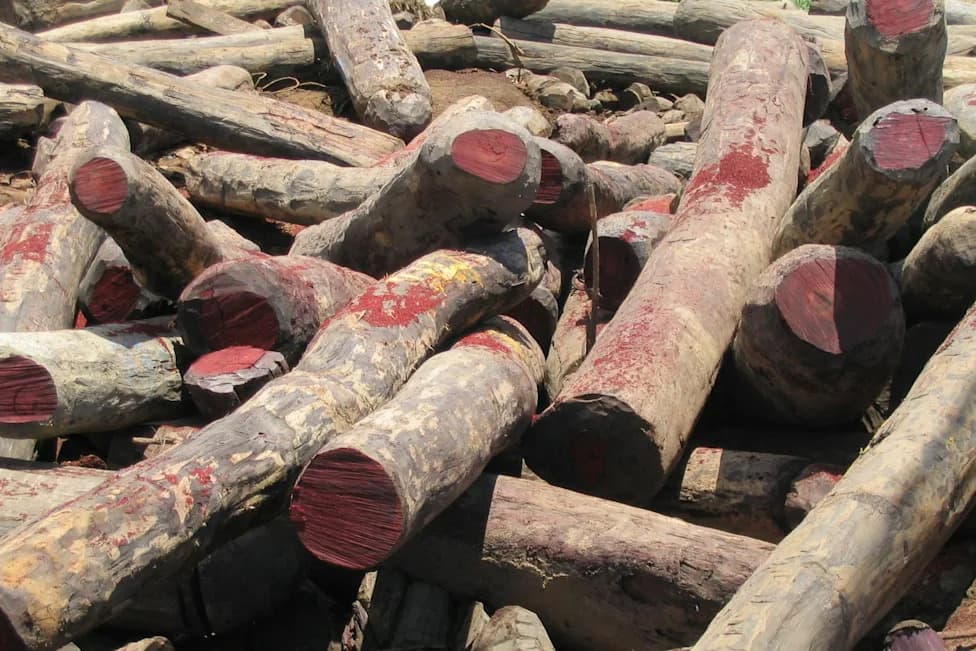
Cut rosewood logs sit in a large pile. These logs, the exact species of which are unknown, are in Madagascar, one of the hot spots of global rosewood trade.Maky via Wikimedia Commons
For millennia the Wounaan people of present-day Panama and Colombia have carved and shaped many woods, with cocobolo rosewood (Dalbergia retusa) prized for ceremonial staffs, traditional medicine, and intricate artworks. Beginning in 2011, a surge in illegal cocobolo logging driven by global demand—especially in China—triggered violent confrontations, rapid ecological decline, and a sustained community response that combined legal action, media advocacy, and Indigenous knowledge-keeping.
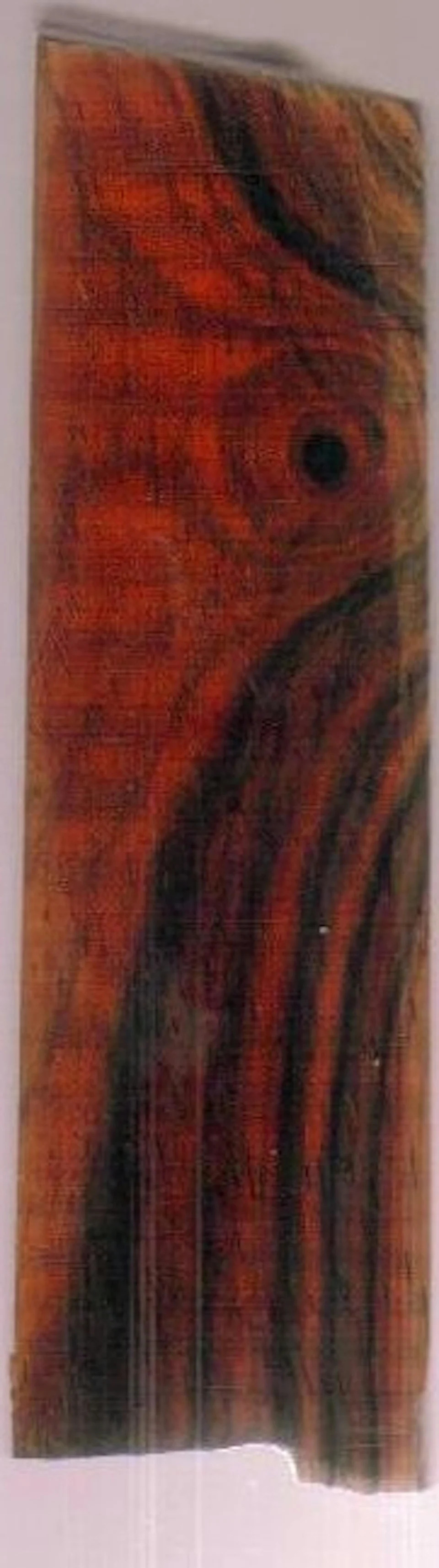
Rosewood is popular because of its intense color and fine texture. This sample is cocobolo rosewood.Pommeroys via Wikimedia Commons,CC BY-SA
The Boom in Rosewood
Rosewoods are a group of over 140 commercially traded tree species valued for dense, reddish, and finely grained timber used in furniture, gunstocks, and musical instruments. In the late 2000s global demand outpaced legal supply. Cocobolo prices in China jumped dramatically: by 2012 the wood fetched over US$13,000 per cubic meter (about US$371 per cubic foot), and in later years prices rose to roughly three times that figure—far above common hardwoods like red oak. By 2014 Panama exported approximately US$55.5 million in rosewood to China. Cocobolo, previously classified as Vulnerable by the IUCN, was reassessed as Critically Endangered by 2019.
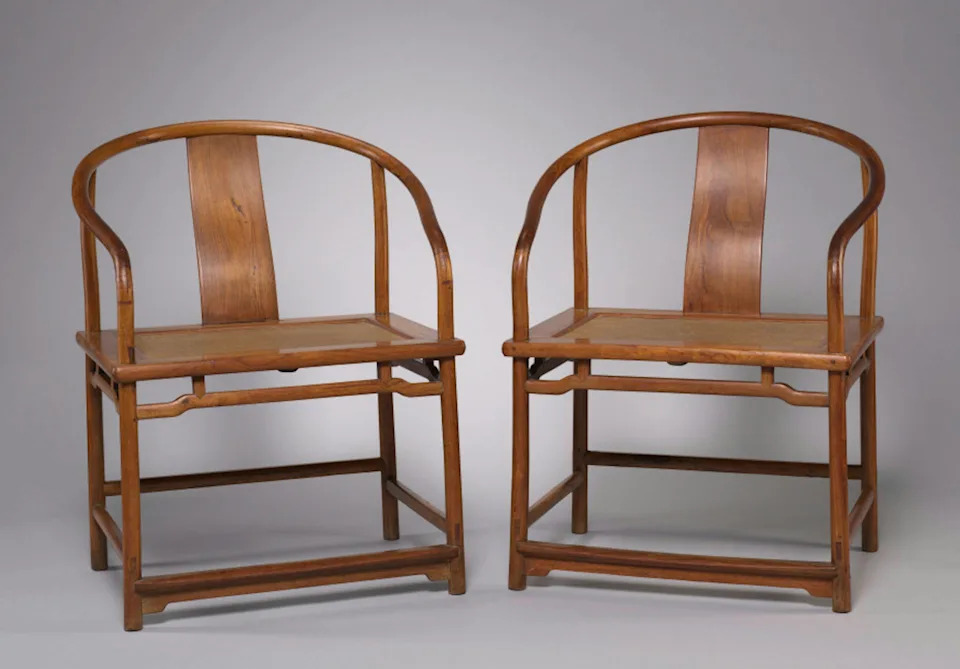
Chairs made of rosewood were popular in China as far back as the 1600s.Cleveland Museum of Art via Flickr
Violence, Land Rights, and Community Response
Illegal logging reached mature forests in eastern Panama in 2011 where many Wounaan and Emberá people live but often lack formal title to ancestral lands. During a three-month standoff in the first logging season, an elected Wounaan traditional authority, hapk'ʌʌn Aquilino Opua Puchicama, was killed; the logger Ezequiel Batista was later killed in turn. These events clarified to the communities that some traffickers would use lethal violence to obtain cocobolo.
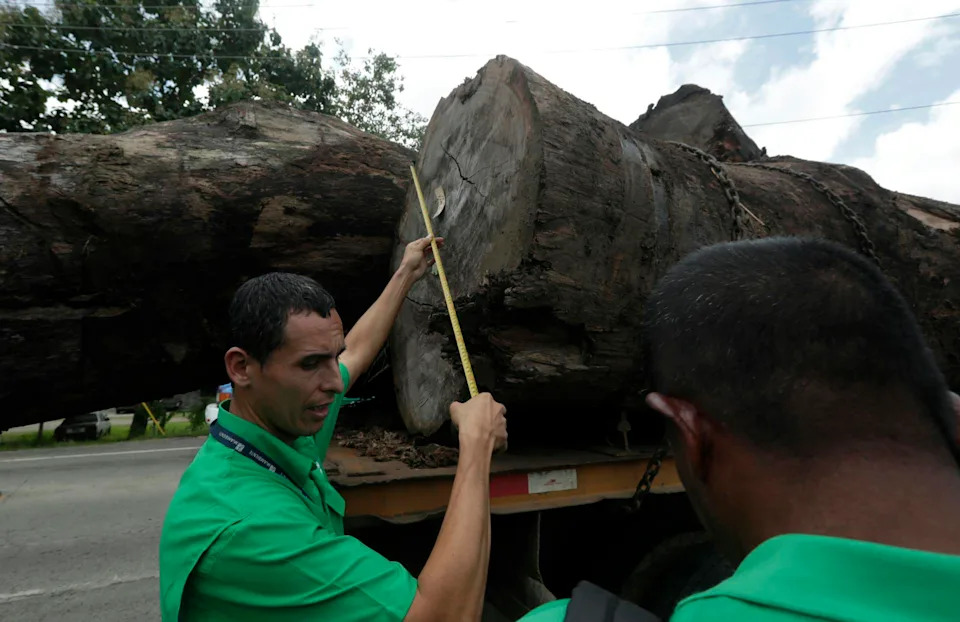
An effort to provide 'traceability' by physical tags with barcodes – allowing harvesters, regulators and customers to track logs – never really worked to prevent illegal logging in Panama.AP Photo/Arnulfo Franco
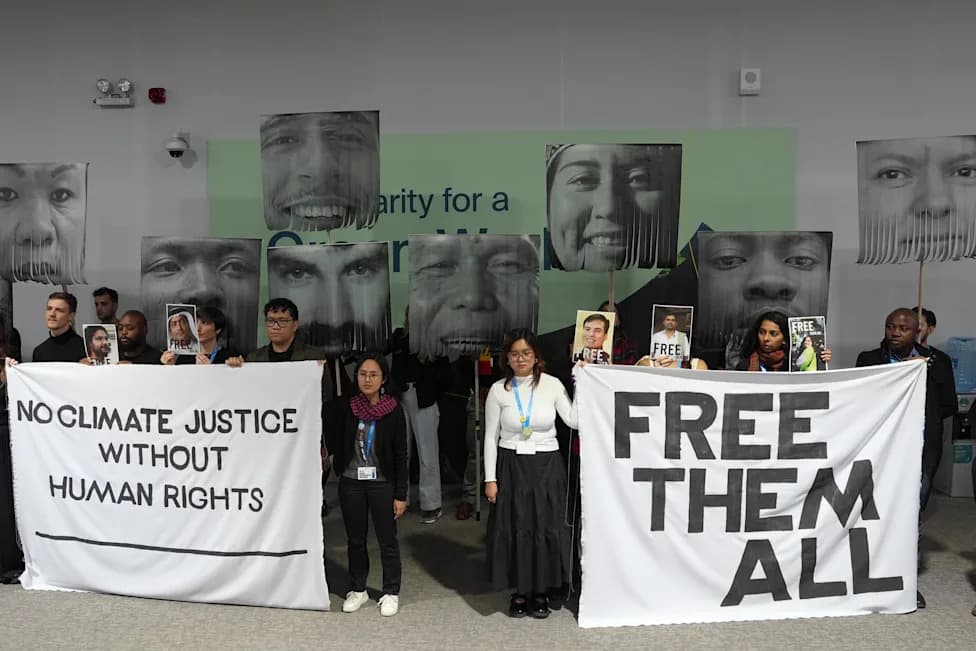
Wounaan community leaders elected by their communities filed complaints with local and national authorities, sought media attention, and organized legal and on-the-ground resistance. The wave of illegal extraction persisted intensely for roughly four years and exposed gaps in traceability systems—such as barcode tags—that failed to prevent trafficking.
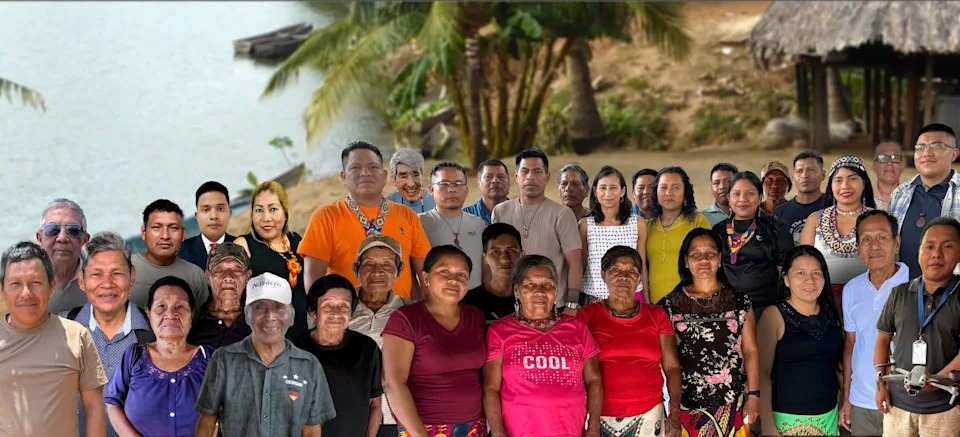
A composite image shows the authors and contributors to the project and its book.Digital composition of author and contributor photos by Mavila Trujillo,CC BY-ND
Interwoven Rosewood: Collaborative Research and Indigenous Leadership
Rather than presenting the story as only a sequence of loss, the collaborative project behind the book Interwoven Rosewood: Collaborative Ecologies, Colonial Entanglements, and Indigenous Resistance centers Wounaan perspectives, ancestral science, and community-led responses. The book is the product of a multiyear collaboration among the Wounaan National Congress (Wounaan Podpa Nʌm Pömaam), the Wounaan Local Congress of the Majé Community (Wir Haigpai Podpa Nʌm Majé) and university collaborators including Julie Velásquez Runk, with key contributions from Wounaan leaders Chenier Carpio Opua and Doris Cheucarama Membache.
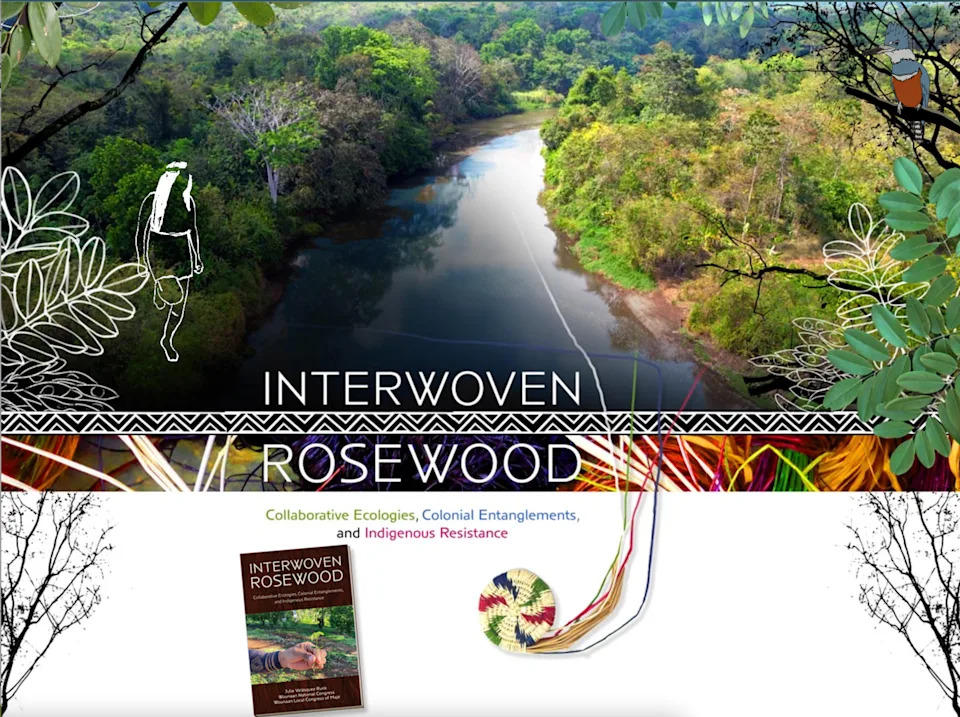
Short websites announcing the book in English and Spanish use photos, video, illustration and audio to highlight conviviality. When the website opens, users hear Wounaan flute music of the agouti and the illustrated woman dances. Photos and illustrations of cocobolo rosewood leaves frame the page. Hovering over the ringed kingfisher, top right, plays its call, which communicates that someone is coming to visit.InterwovenRosewood.com by Mavila Trujillo
The project prioritized co-production: research goals were set jointly, a formal agreement guaranteed Wounaan data sovereignty, and materials were designed for broad public access rather than only academic circles. Multimedia elements—photos, audio, animation and websites in English and Spanish—help convey Wounaan ways of knowing, such as the role of bodily experience, music, and craft in learning and teaching.
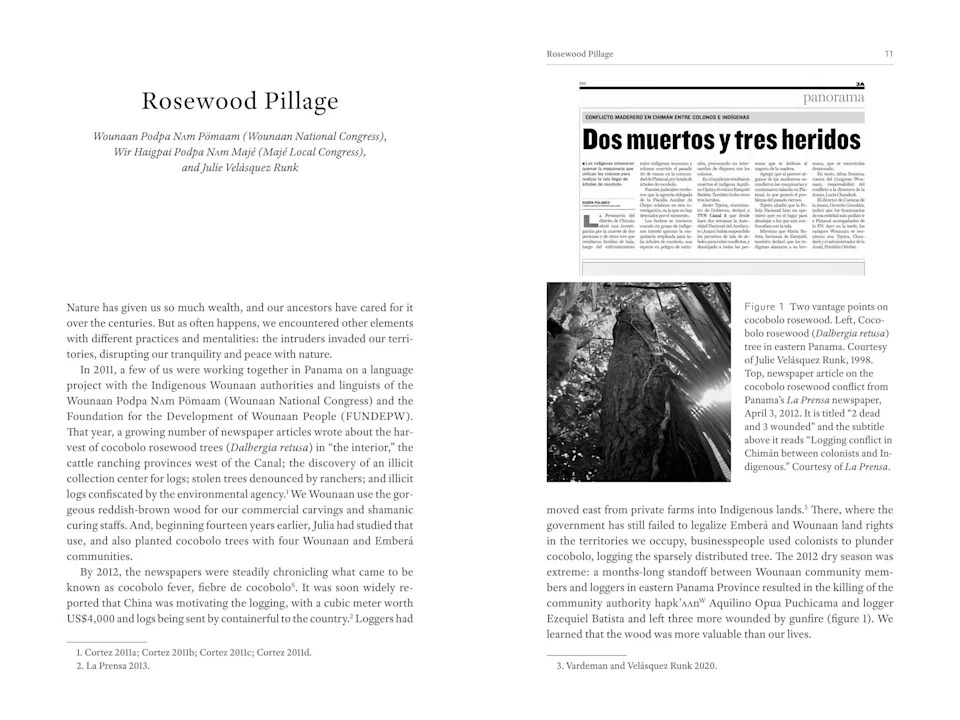
A two-page spread from the book links news reports, photos and the wider context.University of Arizona Press
Wounaan Worldviews, Language, and Resistance
Wounaan social life emphasizes relational responsibilities and conviviality: sharing food, money, knowledge, and care to maintain balanced relationships. Wounaan ancestral stories remain active guides; for example, a creation story that instructs how to revise early mistakes underlines the importance of corrective action. The spiral in traditional basketry serves as a metaphor for how past, present and future are interwoven.
The team took care in translation to preserve Wounaan meanings. Wounaan meu (the Wounaan language) privileges action and process; translators avoided imprecise labels like "shaman" when "traditional doctor" better reflected local meaning, and used regionally accurate terms (for example translating "jap" as "pirogue" rather than simply "canoe"). Recorded Wounaan speech was transcribed and translated to retain linguistic depth.
Ongoing Work and Future Plans
Current and planned outputs include a Spanish edition of the book (translator Alfonso Conde), a shorter Spanish volume focused on Wounaan-authored chapters, an analysis of recorded Wounaan meu alongside written chapters, and a multimedia website for Wounaan schoolchildren. These initiatives aim to honor ancestral wisdom and mobilize it toward the just futures Wounaan communities envision.
Support and Acknowledgments
Field research and related work were supported by multiple grants and fellowships, including Wenner-Gren Foundation grants, travel and archival funding, university research fellowships, and a publication subvention award. As members of the Wounaan National Congress, Chenier Carpio Opua and Doris Cheucarama Membache were active collaborators in the funded work.
For more about the project and multimedia materials, see InterwovenRosewood.com.
Authors and contributors: Julie Velásquez Runk, Chenier Carpio Opua, Doris Cheucarama Membache, and collaborators including multimedia designer Mavila Trujillo. This article draws on reporting originally published by The Conversation.
Help us improve.