TfL has licensed 15 Wayve autonomous vehicles to operate private-hire trips for Uber in London, with passenger rides expected within weeks and a safety driver initially on board. The electric Ford Mustang Mach-E cars have been tested on London streets and inspected by TfL. Full driverless services without a front-seat safety driver will require separate government approval under the automated passenger services scheme. Other companies, including Waymo and Baidu, are also testing robotaxi services in the city.
Self-Driving Ubers Arrive in London: TfL Licenses 15 Wayve Robotaxis, Launch Imminent
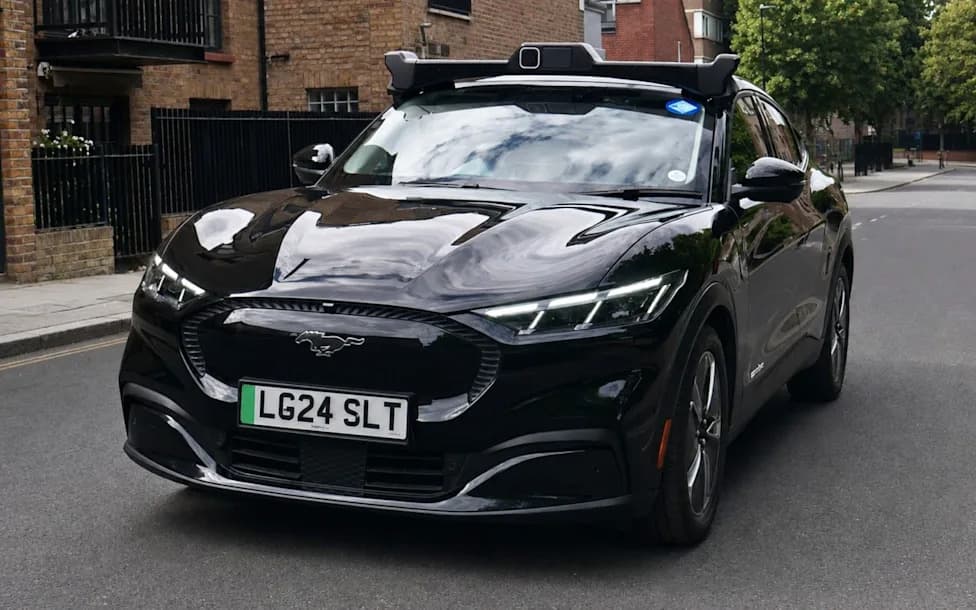
Wayve has been testing its electric Ford Mustang Mach-E vehicles in London - Wayve/Uber
Transport for London (TfL) has approved 15 autonomous vehicles from British startup Wayve to operate private-hire journeys for Uber in the capital, with passenger trips expected to begin within weeks.
What’s Happening
The licence authorises a fleet of 15 electric Ford Mustang Mach-E vehicles — fitted with camera and radar sensor suites and inspected by TfL officials — to run private-hire rides under the Uber brand. At launch, each car will carry a licensed safety driver in the front seat.
Where This Fits In
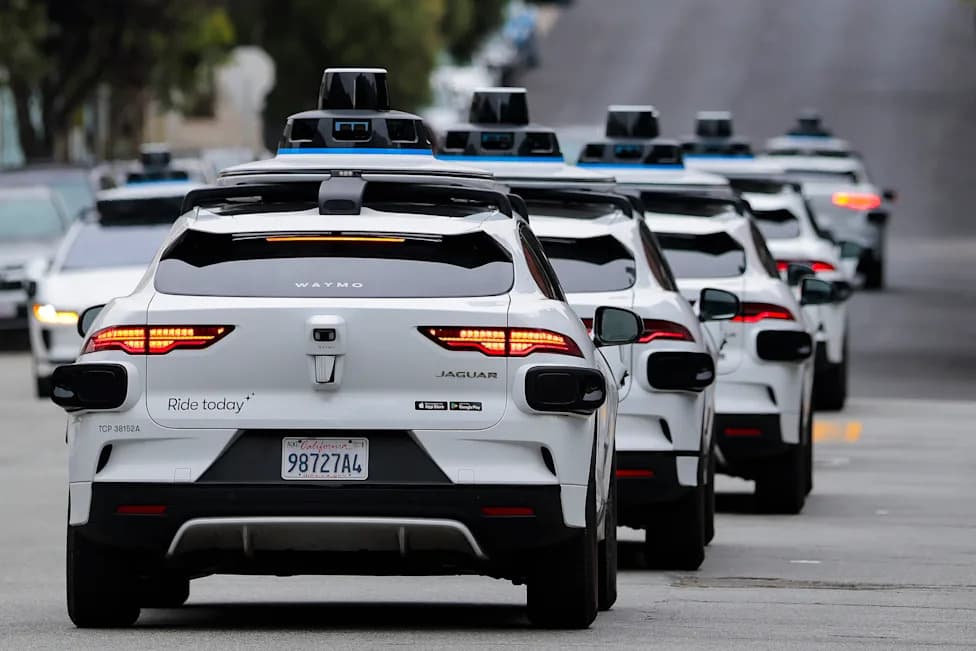
Wayve appears to be the first provider to secure TfL approval for private-hire autonomous trips in London. The company has been testing on city streets to prepare for the rollout, while other firms including Google-backed Waymo (testing roughly 100 vehicles in London) and China’s Baidu are also developing robotaxi services for the city.
Full Driverless Operations
Operators wishing to remove the front-seat safety driver and run fully driverless services will need separate authorisation from the UK Government under the automated passenger services scheme.
Demand, Safety and Oversight
Uber says more than 100,000 people have joined a waiting list for the service, meaning some riders could be collected by an autonomous vehicle later this summer. TfL emphasised that safety remains its top priority and that any private-hire vehicle (PHV) journey requires a licensed PHV driver to be present and responsible for the vehicle unless specific additional approval is granted. This aligns with TfL’s Vision Zero goal to eliminate deaths and serious injuries on London’s roads by 2041.
Industry Context
In December, Baidu and Uber announced plans to run autonomous rides in London using vehicles from Chinese robotaxi maker Apollo Go; Baidu is also partnering with European platform Free Now, which was acquired last year by Lyft. Uber has invested several hundred million dollars in Wayve, which was valued at about $8.6bn (£6.4bn) this year.
Sarah Gates, Wayve: “This licence is an important step towards giving Londoners the chance to experience autonomous driving technology. The responsible deployment of these vehicles will bring us safer, cleaner and quieter streets.”
As these services expand, regulators, operators and communities will continue to monitor safety, accessibility and environmental impacts as part of the broader transition to autonomous mobility in urban areas.
Help us improve.