South Korea will resume repairs on a disconnected section of the Gyeongwon Line near the DMZ that was launched in 2015 and suspended in 2016, with officials saying the restored line could eventually link to North Korea's Wonsan. The move aims to improve access to DMZ tourism and boost border-area economies, even as Pyongyang demolished some cross-border links in 2024. Seoul also proposed widening the Inter-Korean Cooperation Fund's permitted uses to support local and peace-economy projects amid continuing diplomatic deadlock.
South Korea to Restart Gyeongwon Line Repairs Near DMZ, Aiming for Possible Link to North Korea's Wonsan
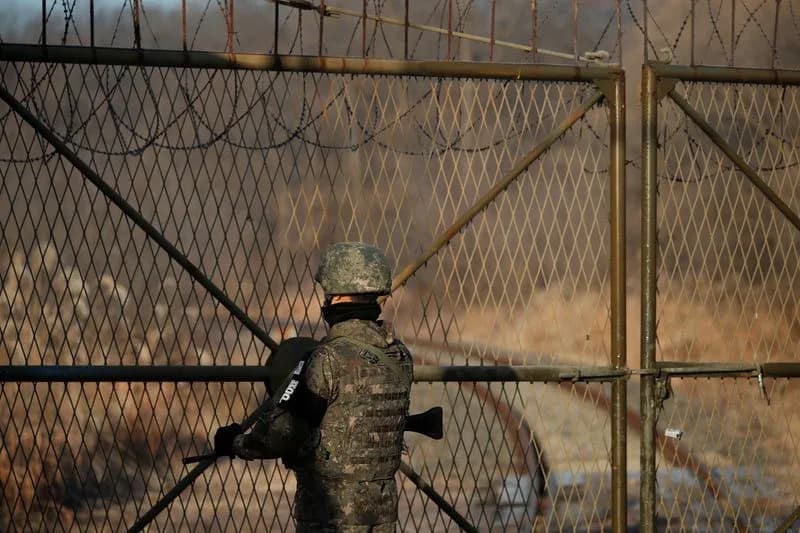
FILE PHOTO: A South Korean soldier stands guard next to the rails which leads to North Korea, inside the demilitarized zone separating the two Koreas in Paju, South Korea, November 30, 2018. REUTERS/Kim Hong-Ji/Pool/File Photo
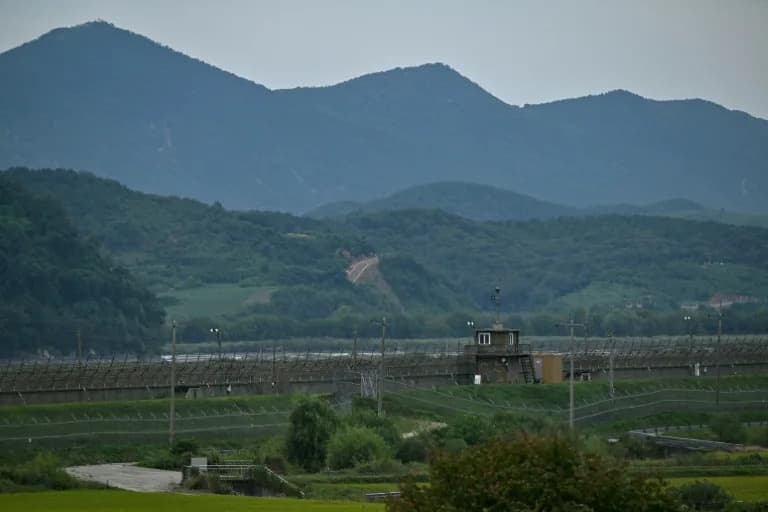
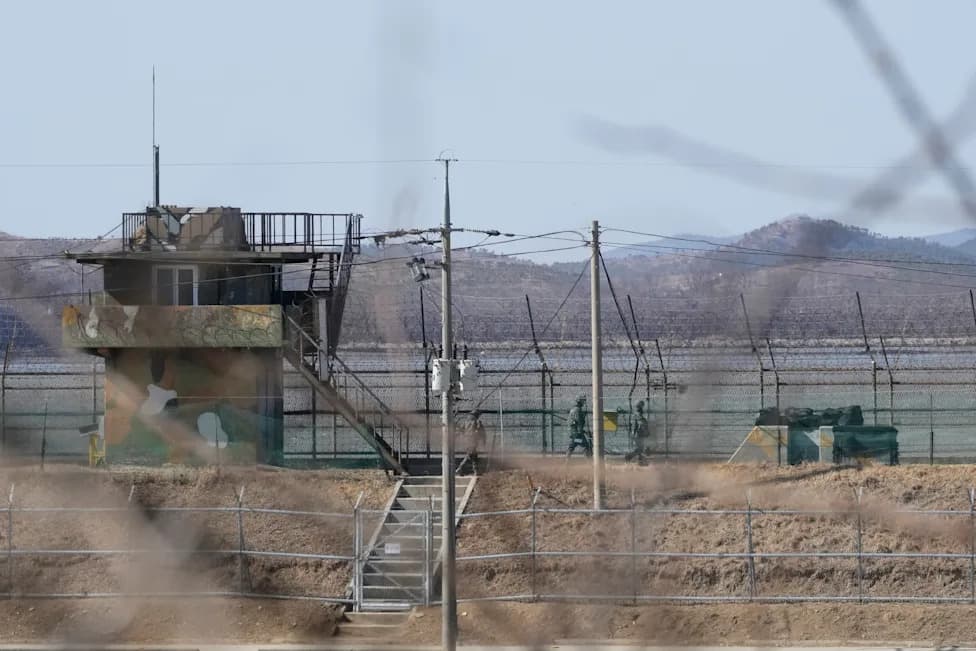
Seoul announced on Aug. 5 that it will restart restoration work on a disconnected section of the Gyeongwon Line near the Demilitarized Zone (DMZ), a project officials say could one day connect to North Korea's eastern port city of Wonsan. The Unification Ministry described the move as a revival of a project first begun in 2015 and suspended in 2016 amid frozen ties with Pyongyang.
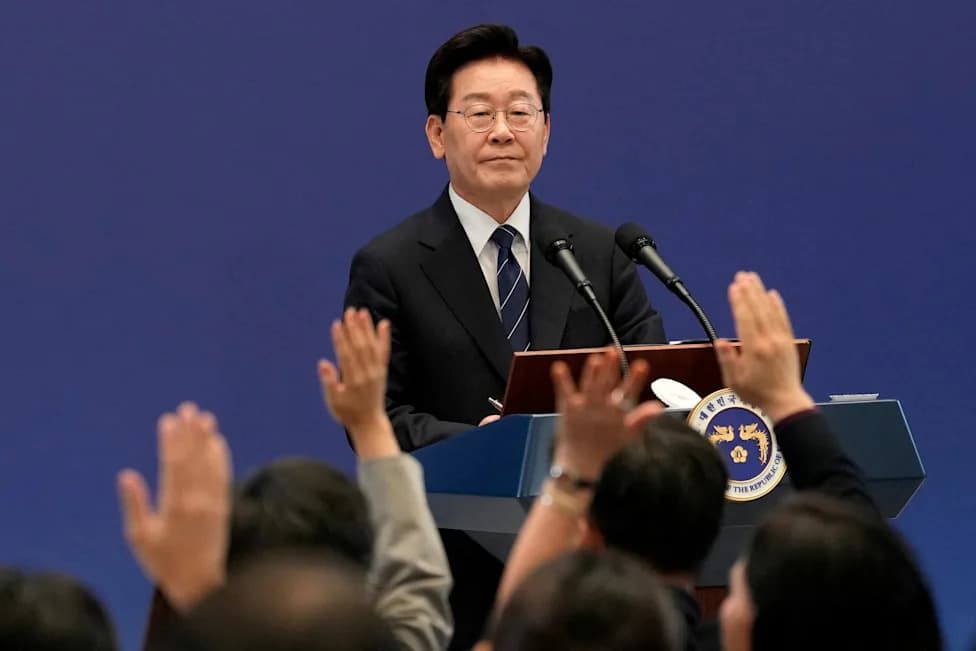
Unification Minister Chung Dong-young told a presidential briefing the government would resume repairs on the stretch of track that begins in Seoul and runs close to the heavily fortified border. A ministry statement said the rebuilt line could serve as a future rail link to Wonsan, an eastern coastal city that North Korea has been promoting as a tourism hub.
Wonsan-Kalma Resort and Border Context
North Korea has invested heavily in the Wonsan-Kalma coastal tourism zone, which opened last year with capacity for roughly 20,000 visitors and has been touted by leader Kim Jong Un as a model for expanding the country's tourism industry. The decision to press ahead with rail restoration comes despite Pyongyang's 2024 demolition of some road and rail links across the border as part of efforts to cast South Korea as hostile.
Purpose and Local Benefits
The Unification Ministry said restoring the Gyeongwon Line would improve access to peace and ecological tourism sites within the DMZ and help stimulate economic activity in border communities. Officials emphasized the project is a long-term initiative aimed at opening future connectivity and boosting local economies.
Political and Financial Moves
President Lee Jae Myung acknowledged the obstacles to engaging an unresponsive North, saying at the briefing:
"It may feel like shouting into an echoless void. But peace and coexistence remain an important task. However difficult, we have to continue pursuing that policy."
The ministry also proposed broadening permitted uses of the Inter-Korean Cooperation Fund — a government pool created to support exchanges and humanitarian projects involving North Korea. With most inter-Korean programs suspended since 2016, Chung said only about 2%–3% of the fund has been spent annually over the past decade. Seoul plans to seek regulatory changes to allow the fund to finance border-area projects, peace-economy initiatives, reunification activities and academic research on North Korea.
Diplomatic Stalemate
Foreign Minister Cho Hyun said multilateral talks involving North Korea, the United States and China are "realistically difficult" under current conditions, underscoring continued diplomatic deadlock with Pyongyang. Cho added that Indonesia had previously tried to arrange dialogue between the two Koreas, but North Korea did not take up the proposal. His remarks followed comments by Indonesian President Prabowo Subianto that South Korean President Lee had asked whether Prabowo could visit North Korea to help open channels; Cho said he was not aware of those comments.
Reporting by Kyu-seok Shim; editing by Ed Davies.
Help us improve.