Below LSHTM's Art Deco headquarters, researchers maintain a subterranean insectary that now includes the UK's first laboratory colony of Aedes vexans. Nicknamed "princess mosquitoes" because of their picky breeding requirements, the colony has required precise moss-based floodplain simulations and remains reluctant to feed from Hemotek machines. Scientists are using the colony to study Tahyna virus, overwintering and vertical transmission to assess how warming British climates could alter future mosquito-borne disease risks.
Inside LSHTM's Underground Insectary: How 'Princess Mosquitoes' Are Helping Scientists Prepare for a Warming Britain
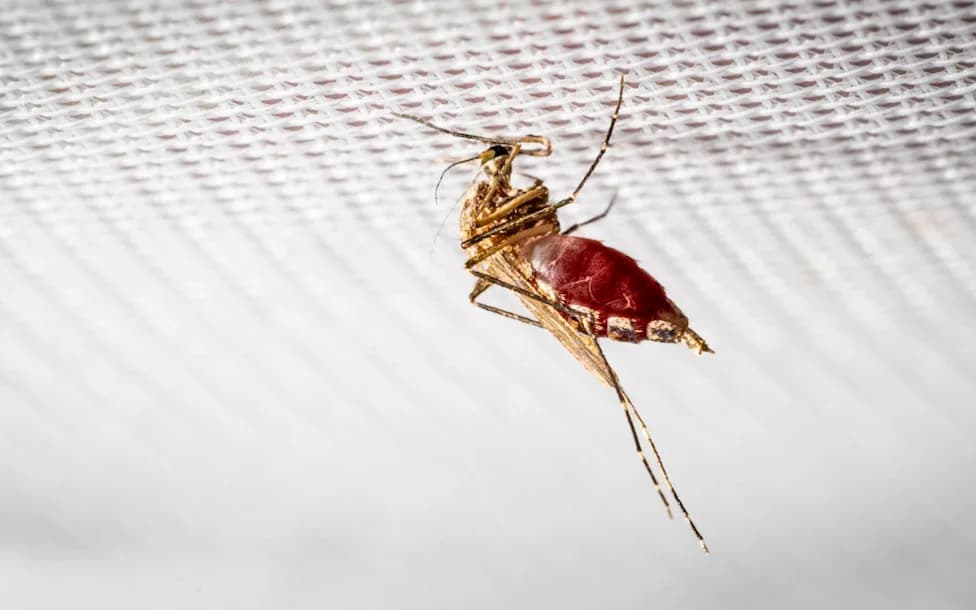
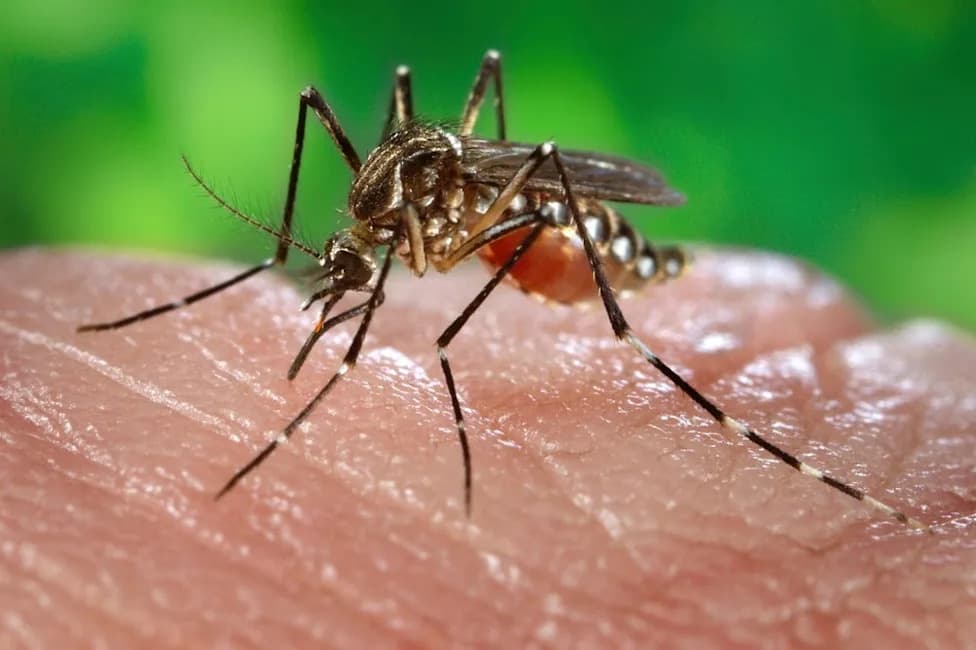
A British Aedes vexans mosquito, bred at the London School of Hygiene and Tropical Medicine - Simon Townsley/The Telegraph
Beneath the London School of Hygiene and Tropical Medicine's imposing Art Deco headquarters lies an extensive subterranean complex where researchers rear and study live disease vectors from around the world.
Deep within the network of labs, storage rooms and corridors are colonies of insects and arachnids: bed bugs, sand flies, microscopic dust mites and the so-called kissing bugs that transmit Chagas disease — a stealthy infection that can cause fatal heart failure decades after a silent bite.
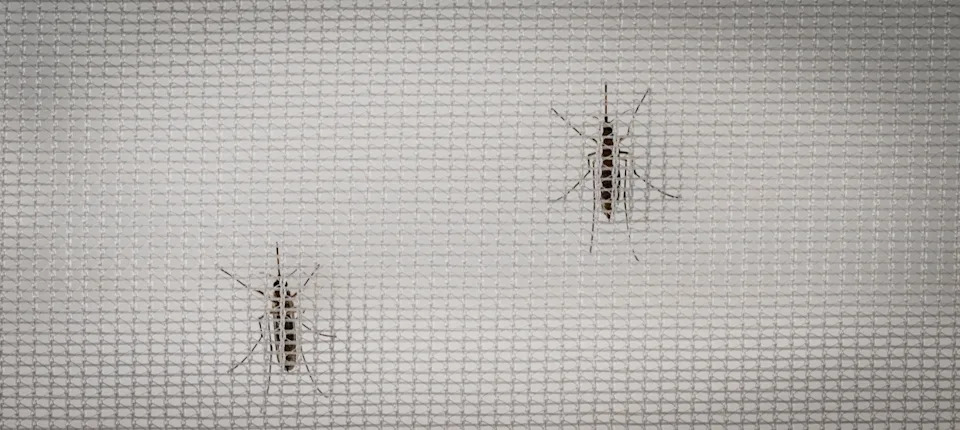
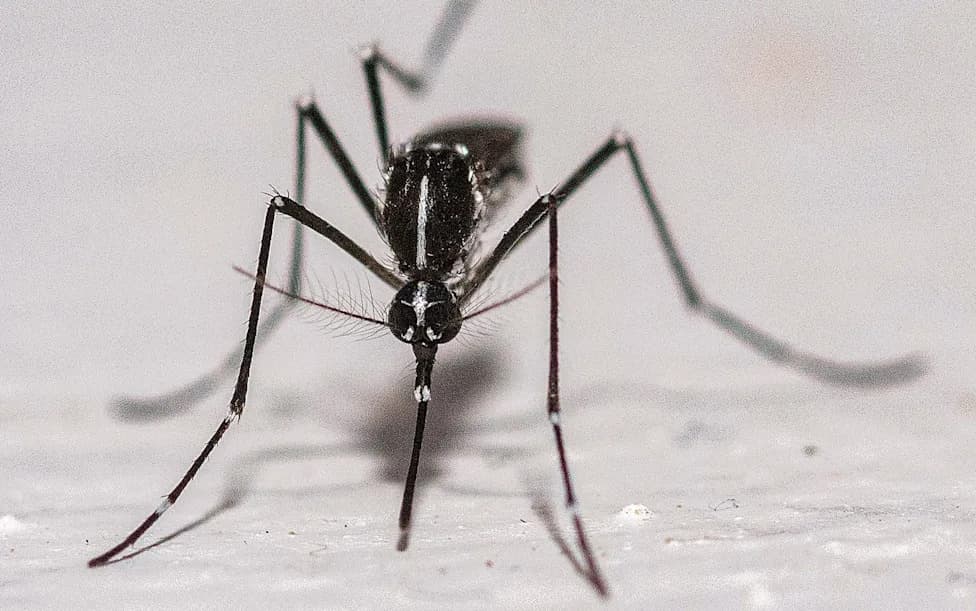
LSHTM researchers have established the UK's first laboratory colony of Aedes vexans mosquitoes - Simon Townsley/The Telegraph
Locked rooms and stacked mesh cages also hold flies that spread trachoma, an ancient, ruthless eye disease that remains a leading cause of blindness in parts of the world. Some of those rooms present intense sensory experiences: the flies feed on human faeces, and the odour is unforgettable.
The insectaries house many mosquito species as well, including several Anopheles that can transmit malaria, Culex and Aedes species that carry human and animal pathogens, and even Toxorhynchites — often called the elephant mosquito — a large predator of other mosquitoes that does not bite people.
Entomologist and insectary technician Mariana Reis Wunderlich - Simon Townsley/The Telegraph
These populations have been studied since the insectaries were founded in the 1960s, contributing to breakthroughs in control, surveillance and scientific understanding of vector-borne diseases, particularly in low- and middle-income countries.
Britain's First Lab Colony of Aedes vexans
More recently, LSHTM researchers focused on a native species: they have established the UK's first laboratory colony of Aedes vexans. The colony, now in its 25th generation and numbering roughly 50 adults, was created to assess whether this common British mosquito could harbour viruses such as West Nile, Rift Valley fever, Zika or Japanese encephalitis as the climate warms.
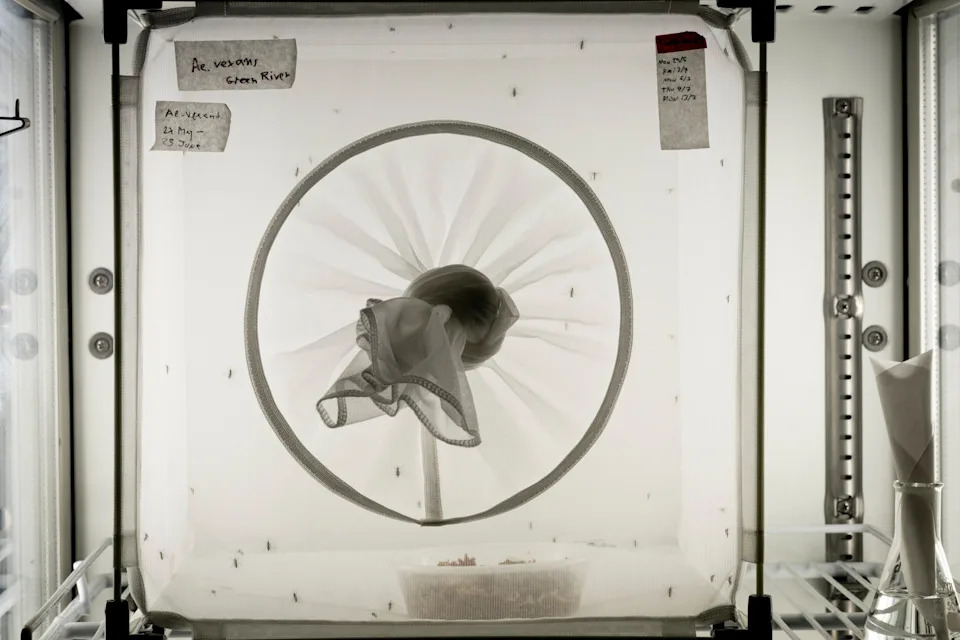
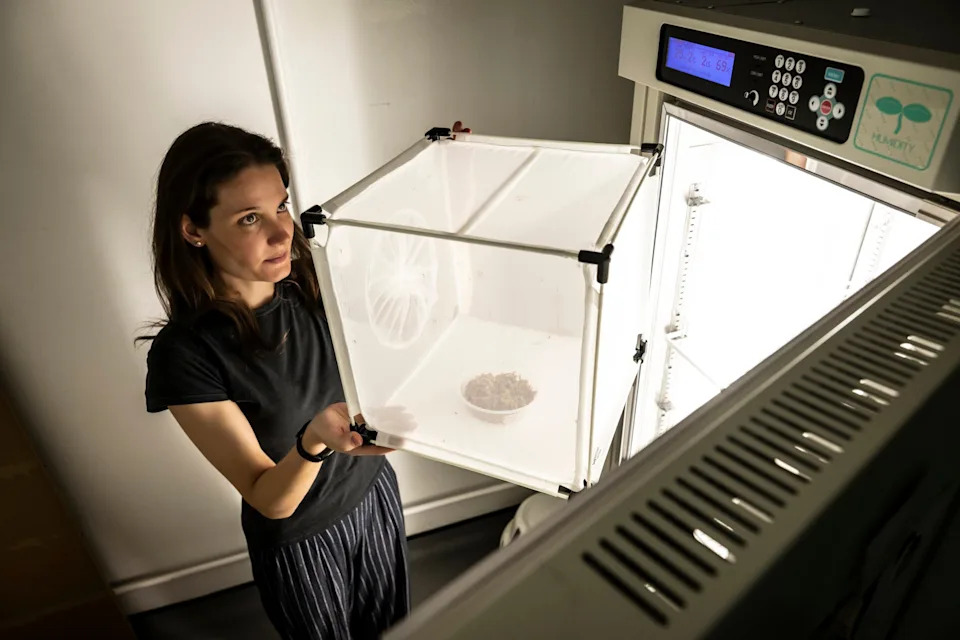
A chamber containing a colony of about 50 adult mosquitoes - Simon Townsley/The Telegraph
Fragments of West Nile virus were detected in Aedes vexans in Nottinghamshire in 2023, a finding many scientists describe as a wake-up call about potential local transmission under changing environmental conditions.
Why They Are Called "Princess Mosquitoes"
Establishing a stable colony proved unexpectedly difficult because Aedes vexans are highly particular about their environment. Adapted to flood-prone habitats, these mosquitoes overwinter as eggs laid on moss in areas likely to flood. The eggs can dry completely through winter and then hatch en masse when spring warmth and rain arrive.
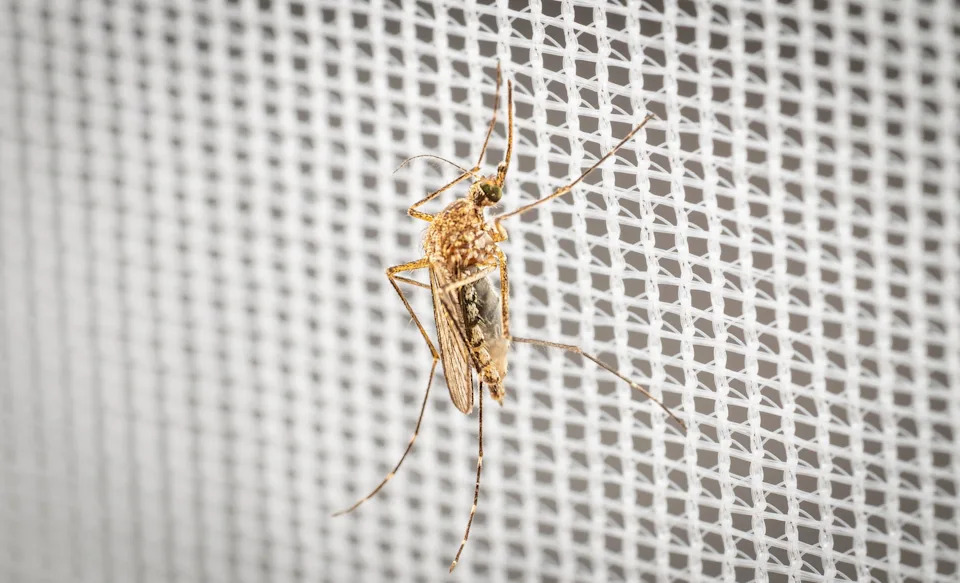
The chamber creates optimal conditions to encourage the mosquitoes to lay eggs - Simon Townsley/The Telegraph
To mimic that life cycle, researchers experimented until they found a reliable method: carefully drying and refrigerating moss to reproduce natural floodplain conditions. That finickiness earned the insects the affectionate nickname "princess mosquitoes." Because eggs are laid on moss rather than in open water, counting eggs and predicting cohort sizes is more complicated than with other species.
Feeding Challenges and Hemotek Devices
The colony is fed a typical laboratory diet: larvae receive fish food and adults a 10% glucose solution. Female Aedes vexans, however, require a blood meal to produce eggs. Rather than using human skin directly, the team uses a Hemotek feeding system: blood is placed under a layer of synthetic skin, heated to 37°C and offered at the cage mesh.
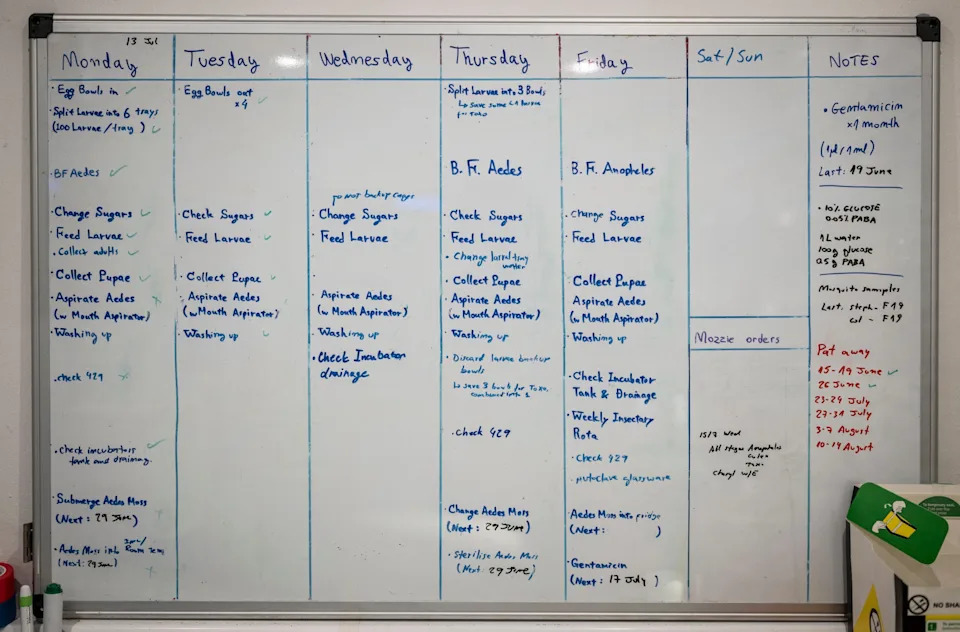
The delicate care schedule for the mosquitoes - Simon Townsley/The Telegraph
Despite 25 generations in captivity, these Aedes vexans remain reluctant Hemotek diners. As entomologist Mariana Reis Wunderlich explains, species like Anopheles that have long histories in laboratory colonies acclimatise quickly to artificial feeders; Aedes vexans remain "very, very fussy eaters," making some experiments slower and more complex.
Research Priorities: Tahyna Virus, Overwintering and Transmission
With the colony established, the team is now running experiments. Their first focus is Tahyna virus — the first mosquito-borne virus identified to cause human disease in Europe — which cycles between mosquitoes and small mammals and usually causes mild or asymptomatic human infections.
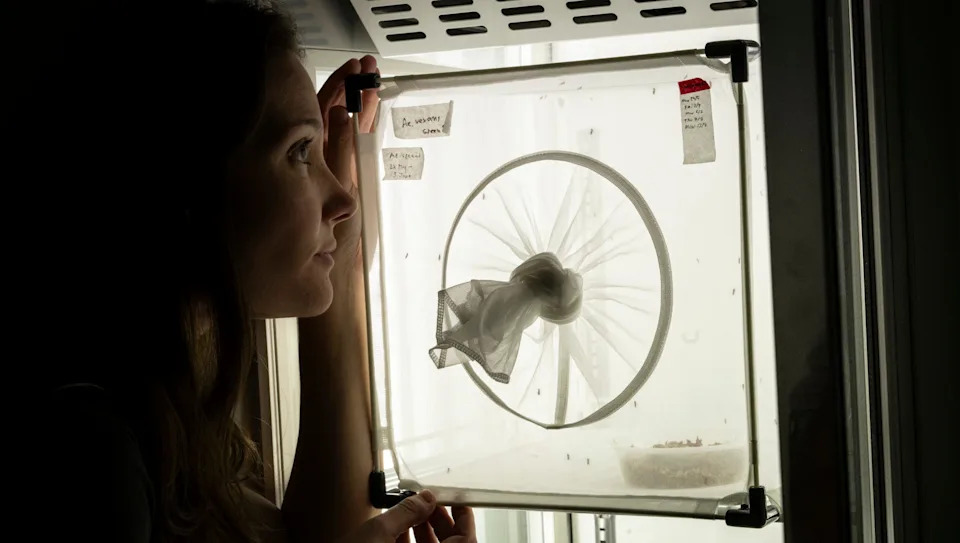
Ms Reis Wunderlich describes the mosquitoes as 'very fussy eaters' - Simon Townsley/The Telegraph
Because Tahyna is related to more dangerous pathogens such as Rift Valley fever virus, studying how it infects and moves through mosquito bodies can reveal what might enable more harmful viruses to establish locally. Researchers are examining where the virus multiplies, how long until it can be transmitted by a bite, and whether it can pass from an infected female into her eggs (vertical transmission) to overwinter and re-emerge the next season.
Temperature is a key variable: warmer conditions accelerate mosquito development and pathogen replication, shortening the time between acquisition and onward transmission. That relationship is well described for malaria parasites but remains less understood for many arboviruses — a knowledge gap this work aims to address.
What This Means For The UK
Could mosquito-borne diseases surge in Britain? Experts caution that while native Anopheles species exist, a sustained return of malaria is unlikely thanks to modern housing, drained wetlands and public health infrastructure. However, the UK Health Security Agency warns that climate change and warmer, wetter conditions increase the threat from invasive mosquitoes and raise the chance that some viruses could establish locally.
Modelling suggests that by the 2060s parts of London and its environs may become climatically suitable for local dengue transmission. The LSHTM colony and associated experiments aim to provide the biological and ecological data needed to predict risks more accurately and to design timely interventions.
"Learning as much as possible about mosquito biology, ecology and pathogen life cycles helps us predict where and when diseases might occur — and gives us a chance to outsmart them," says Dr Mojca Kristan, Assistant Professor at LSHTM.
As the UK adapts to a changing climate, initiatives such as this underground insectary illustrate how detailed, species-specific research can inform preparedness and public-health planning.
Help us improve.