Tedros Adhanom Ghebreyesus, WHO director-general, arrived in Kinshasa to boost the response to Congo's fast-growing Ebola outbreak, which has reached 3,874 cases and 1,751 deaths. The epidemic, driven by the Bundibugyo virus, has no approved vaccine or treatment and is spreading faster than contact tracing can keep up. Ituri province accounts for nearly 90% of cases and remains hard to access due to insecurity and health worker strikes. Late detection has contributed to a roughly 45% fatality rate.
WHO Chief Flies to Kinshasa as Congo’s Ebola Outbreak Nears 4,000 Cases
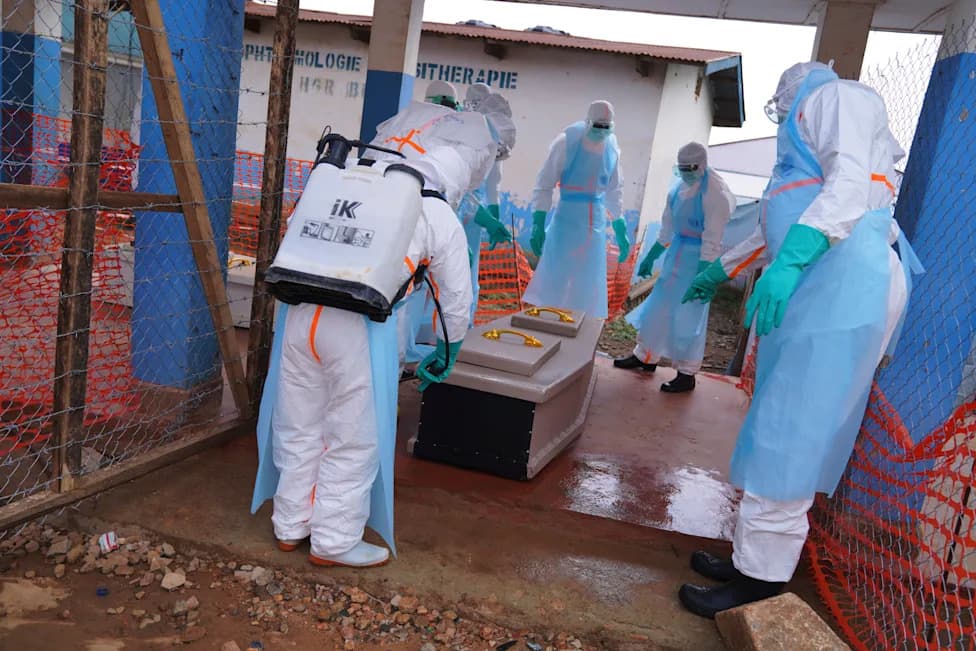
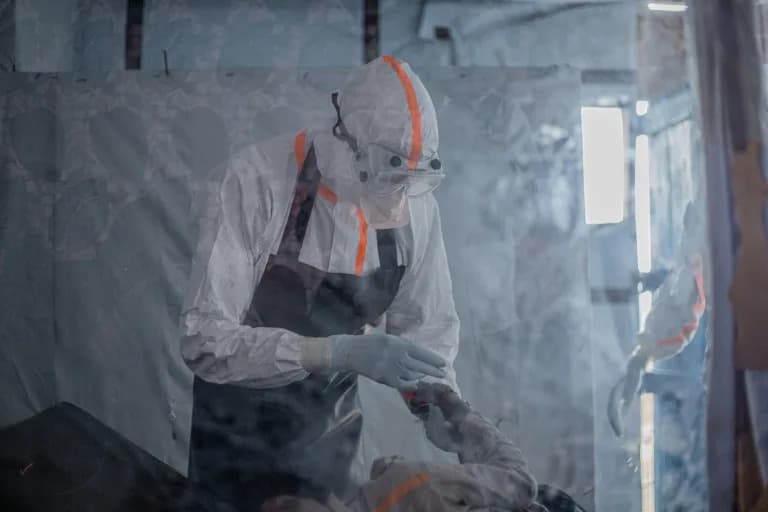
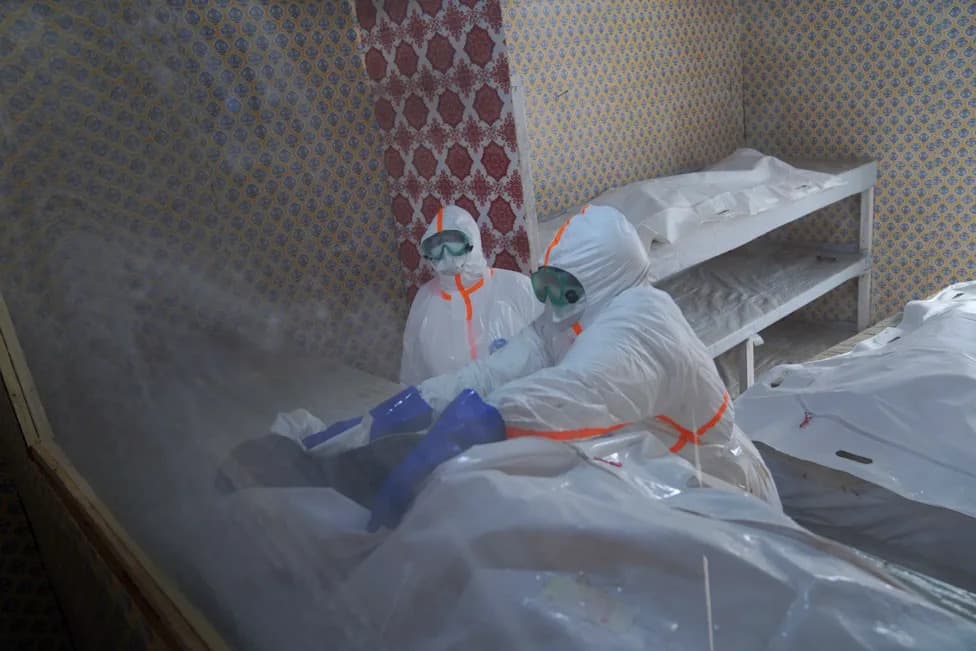
Profissionais de saúde desinfetam o caixão de uma vítima de ebola no Centro de Tratamento de Ebola do Hospital Geral de Bunia, em Ituri, Congo, quarta-feira, 22 de julho de 2026. (Foto AP/Dirole Lotsima Dieudonne)
The World Health Organization's director-general, Tedros Adhanom Ghebreyesus, arrived in Kinshasa late Tuesday as WHO and partners intensify efforts to contain Congo's rapidly expanding Ebola outbreak. Confirmed cases have climbed to 3,874, with 1,751 deaths, according to the latest update from Congo's Ministry of Health.
Outbreak Overview
Health authorities say the outbreak is driven by the Bundibugyo virus, for which there is currently no approved treatment or vaccine. In terms of speed of transmission this epidemic has outpaced previous events and is the second-largest Ebola outbreak on record, after the 2014–2016 West Africa crisis.
Challenges on the Ground
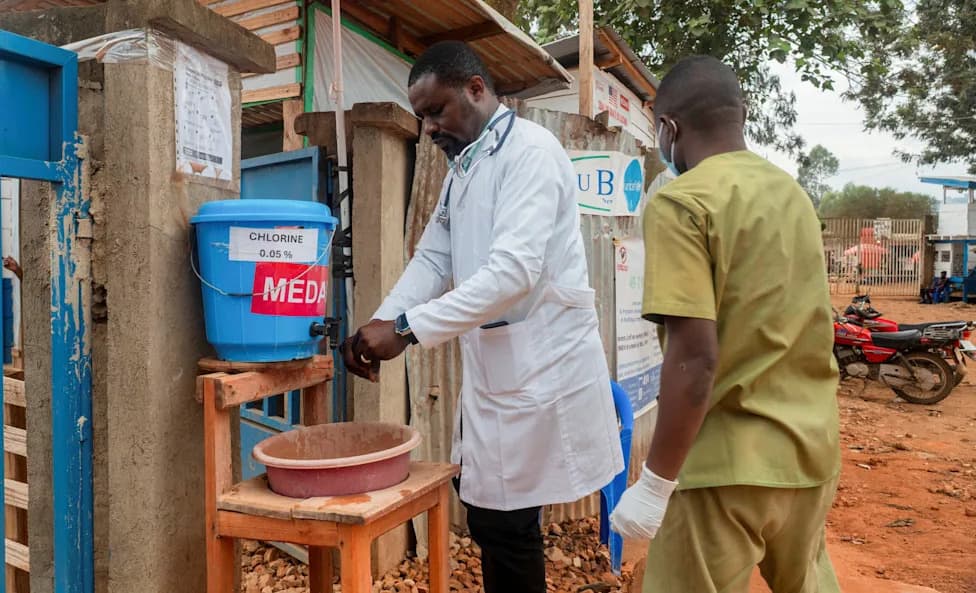
Most new infections are occurring outside monitored contact lists, indicating the virus is spreading faster than teams can trace and contain. The Africa Centers for Disease Control Director-General, Dr. Jean Kaseya, warned during a visit to Bunia that contact tracing is failing, with an estimated 60–70% of new cases identified outside existing contact lists.
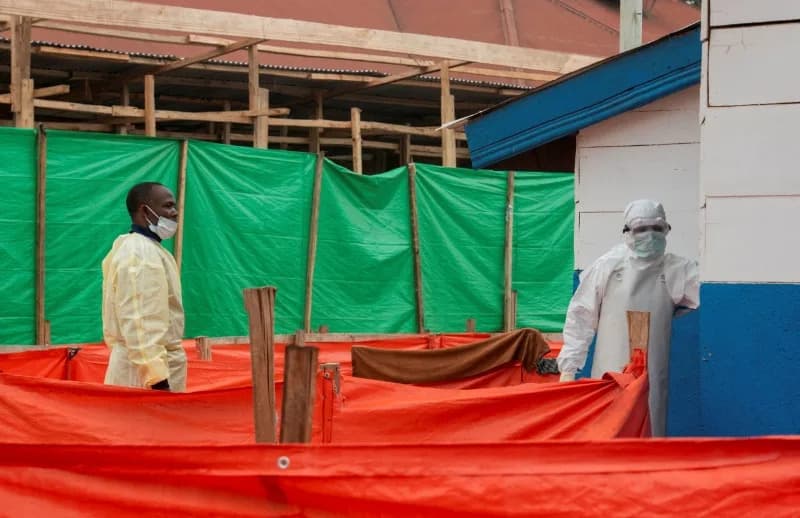
Ituri province remains the epicenter, accounting for nearly 90% of confirmed cases. Many communities there are difficult to reach because of insecurity linked to armed groups. The response is further strained by health worker payment disputes that sparked strikes, although some staff have reported recent payments.
Impact And Current Figures
Late detection of cases is a continuing problem and has contributed to an estimated 45% fatality rate. The health ministry reported 77 new cases and 44 deaths in the last 24 hours. At least 717 patients are currently in isolation and 749 people have recovered.
"We need to be innovative on the way to approach the contact list," Dr. Jean Kaseya said, urging new strategies to identify and monitor exposed people.
Tedros is scheduled to meet with national authorities, international partners and President Félix Tshisekedi to coordinate an accelerated response that addresses gaps in surveillance, security access and frontline support.
Help us improve.