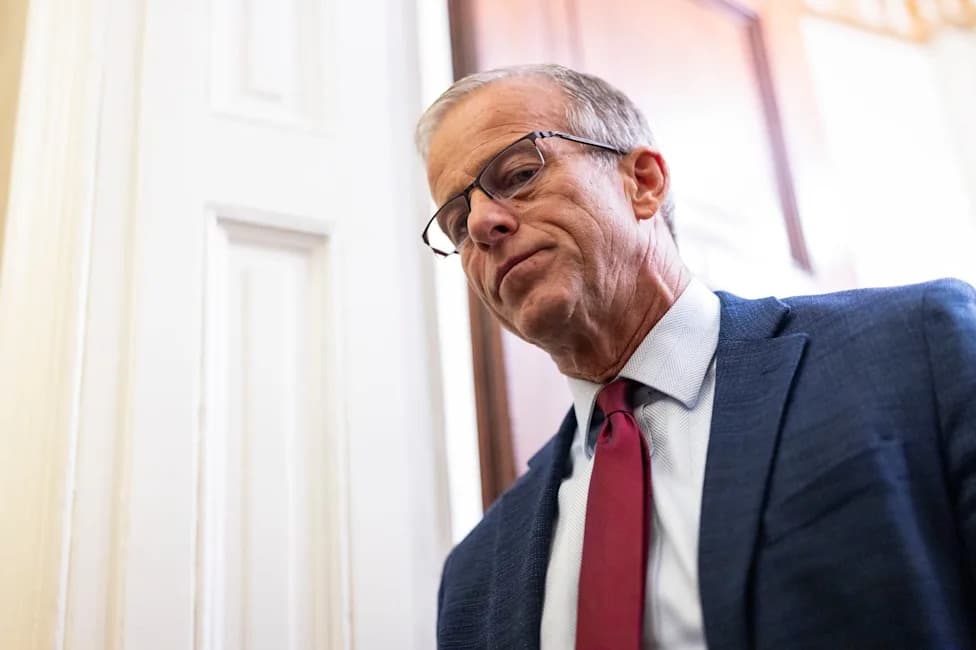
Sen. John Cornyn said Tuesday that Republicans lack the ability to "rein in" President Trump after the Senate Judiciary Committee advanced acting Attorney General Todd Blanche’s nomination. Cornyn defended his position when pressed about Mr. Trump’s public comments about compensating January 6 defendants. Critics note Senate Republicans repeatedly declined opportunities to block elements of the administration’s IRS settlement — including a $1.776 billion fund and tax‑audit immunity — and no GOP senators backed Democrats’ "Drain the Slush Fund Act."
Cornyn: Republicans ‘Can’t Rein In’ Trump — Even After Backing His IRS Deal
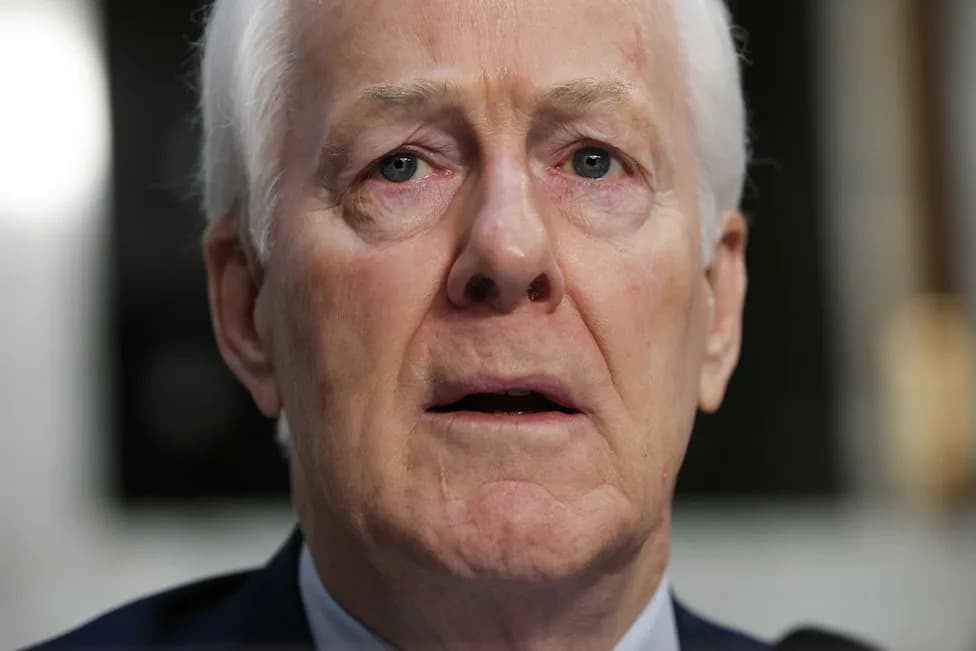
Cornyn Claims Republicans Can’t Rein In Trump—as He Bends the Knee
Senator John Cornyn on Tuesday argued that Senate Republicans lack the power to "rein in" President Donald Trump, remarks that came after the Senate Judiciary Committee voted to advance the nomination of acting Attorney General Todd Blanche to the full Senate.
Following the committee vote, a reporter asked the Texas Republican whether he was concerned by Mr. Trump’s repeated comments about finding a way to compensate some January 6 defendants. Cornyn replied:
"Well, there's nothing we could do to, uh, rein in the president when he said he likes the [anti-weaponization] fund and wishes it still exists, but the fact of the matter is it's dead, and that's all we could do under the circumstances."
Critics argue that Cornyn and other Senate Republicans have had multiple opportunities to block or limit elements of the administration’s IRS settlement but declined to do so. After raising objections to what critics called a $1.776 billion "slush fund," Cornyn and Senator Thom Tillis accepted a compromise critics describe as containing significant loopholes. Last week, Republicans voted down an amendment that would have eliminated part of the settlement that provides tax-audit immunity for certain parties — another central concern about the deal.
In June, all but three Senate Republicans opposed a Democratic measure to terminate the so-called "Anti-Weaponization Fund." Senate Democrats also introduced the "Drain the Slush Fund Act" that month, but it attracted no GOP co-sponsors. Observers say the sequence fits a broader pattern in which Republican senators initially criticize a White House proposal, engage with the administration, and ultimately fall in line with the resulting agreement.
What This Means
The exchange highlights tensions within the GOP about oversight and independence from the White House. Supporters of the settlement say it resolves long‑running disputes and preserves prosecutorial independence; critics say it shields powerful interests and undermines accountability. The Cornyn comments underscore how GOP senators are framing these policy and political choices in the weeks after the nomination vote.
Help us improve.