The Trump administration revoked the U.S. visa of Brazil's ambassador to Washington as a reciprocal response after Brasília denied visas to two U.S. diplomats and stalled approval of President Trump's ambassadorial nominee. The State Department said the step could be quickly reversed if Brazil accepts former Florida House Speaker Danny Perez. The dispute forms part of broader U.S.-Brazil tensions, including U.S. terrorism designations for criminal groups and new tariffs on Brazilian exports, ahead of Brazil's Oct. 4 presidential election.
U.S. Revokes Brazil Ambassador's Visa in Tit-for-Tat Over Denied Visas and Stalled Nominee
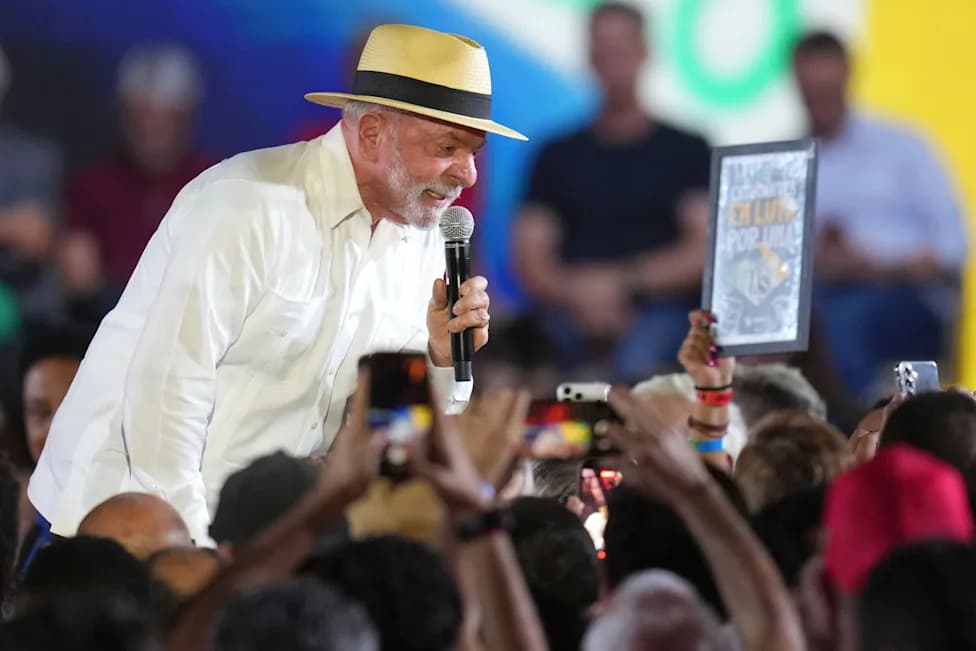
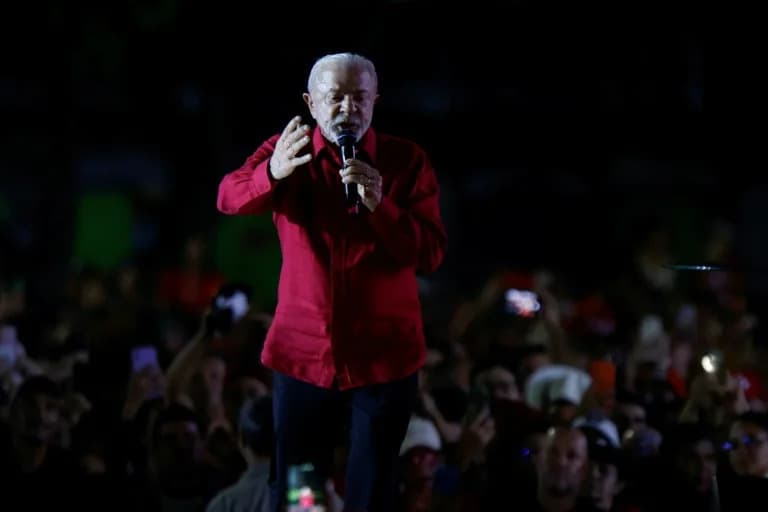
Brazilian President Luiz Inacio Lula da Silva speaks to supporters during the Workers' Party convention, where he was confirmed as the party's presidential candidate for the next election in Sao Paulo, Brazil, Sunday, Aug. 2, 2026. (AP Photo/Andre Penner)
The Trump administration has revoked the U.S. visa of Brazil's ambassador to Washington, Maria Luiza Ribeiro Viotti, in a reciprocal response to actions by Brasília that included denying visas to two American diplomats and delaying approval of President Donald Trump's nominee for ambassador to Brazil.
The State Department described the move as a measured, reciprocal step and said the decision had been postponed several times to allow Brazilian President Luiz Inácio Lula da Silva a chance to reverse Brasília's actions. Officials added that the visa revocation could be reversed quickly if Brazil accepts the U.S. nominee, former Florida House Speaker Danny Perez.
"Reciprocity is the name of the game," one State Department official said, speaking on condition of anonymity because of the sensitivity of the matter.
U.S. officials emphasized that Viotti is not being expelled from the country; rather, her official visa was revoked. She could be permitted to resume her duties if Brazil moves to approve the U.S. ambassadorial nominee. Officials indicated Brazil is unlikely to act before the Oct. 4 election.
Denied Diplomat Visit and U.S. Response
Brazil denied visas last month for Riley Barnes, the assistant secretary of state for democracy, human rights and labor, and one of his aides. Reports said the pair planned to raise concerns about election integrity and related issues during a July 27–30 visit to Brasília. The State Department said the trip was routine and that the officials had planned meetings with government representatives, religious leaders and civil-society groups to discuss "election integrity," religious freedom and freedom of expression.
"Any insinuation of a 'ploy' to undermine a democratic nation's election is a baseless lie," the department said in defense of the planned visit.
Wider Strains in U.S.-Brazil Relations
The visa action comes amid broader tensions between Washington and Brasília. Shortly after meetings in Washington in May between U.S. officials and members of the Bolsonaro family, the Trump administration designated two of Brazil's largest criminal organizations — First Command Capital and Red Command — as foreign terrorist organizations, a move opposed by President Lula.
Separately, the U.S. imposed tariff increases of up to 37.5% on thousands of Brazilian exports, saying the measures respond to unfair competition practices and failures to prevent forced labor. The Lula government has rejected those charges and framed the U.S. steps as politically motivated ahead of Brazil's election.
Election Context
Brazil's Oct. 4 presidential contest is shaping up as a rematch-style confrontation between President Luiz Inácio Lula da Silva and Senator Flávio Bolsonaro, son of former President Jair Bolsonaro. The Bolsonaro family has longstanding ties with conservative U.S. political circles, and Flávio Bolsonaro has echoed some of his father's criticisms about Brazil's electronic voting system — allegations that have not been substantiated by independent evidence.
For now, U.S. officials say the visa move is reversible and tied strictly to reciprocity in diplomatic access; whether it will be resolved before Brazil's election remains uncertain.
Help us improve.