A federal judge has ordered the EPA to enforce its stricter 2024 annual PM2.5 (soot) standard, potentially triggering tougher pollution controls in Harris County, home to Houston. The new limit lowers the annual standard from 12 µg/m³ to 9 µg/m³; Harris County averaged 12.8 µg/m³ between 2023 and 2025. The court directed the EPA to complete nonattainment designations by Feb. 2027, which would require Texas to submit a pollution-reduction plan. EPA estimates the rule could prevent thousands of deaths and yield about $46 billion in health benefits by 2032.
Federal Court Orders EPA To Enforce Tougher Soot Standard — Could Trigger Stricter Air Rules In Harris County
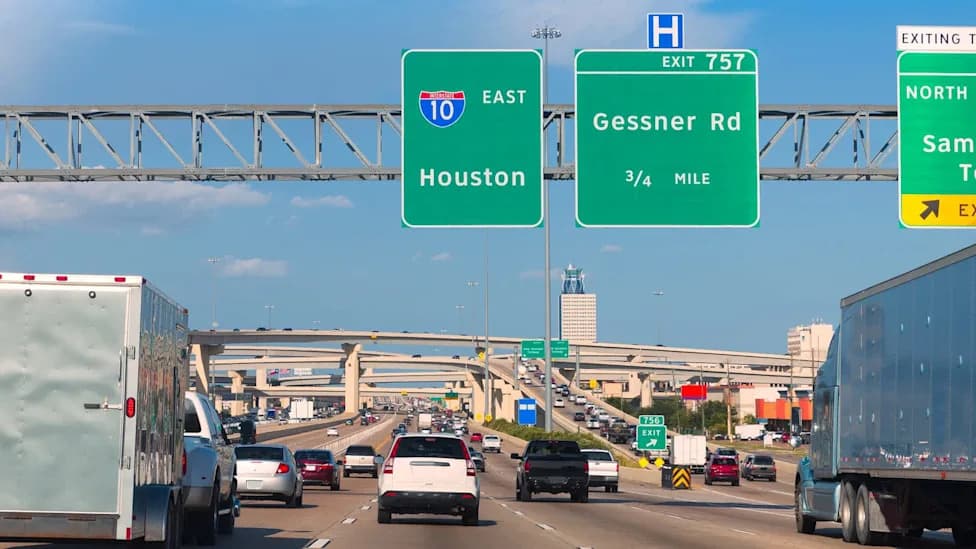
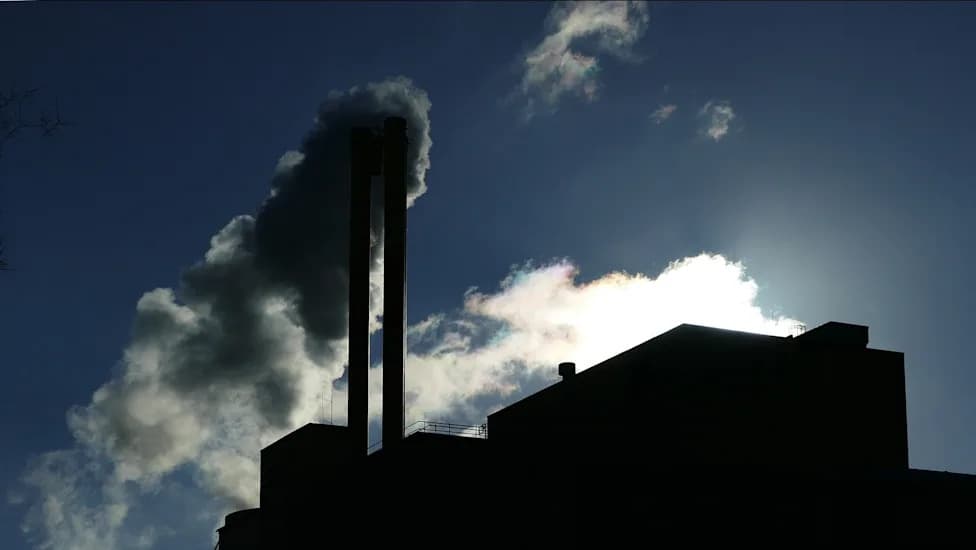
Photo Credit: iStock
A federal judge has ruled that the U.S. Environmental Protection Agency (EPA) must implement its more stringent annual PM2.5 (soot) standard, a decision that could force stronger pollution controls in Harris County, which includes Houston.
The July ruling followed a lawsuit from environmental advocates and several public agencies, including Harris County. The court directed the EPA to apply the lower annual limit established in 2024 and to complete required nonattainment designations by February 2027.
What Is PM2.5 and Why It Matters
PM2.5 refers to fine particulate matter — tiny particles of dust, smoke and soot small enough to penetrate deep into the lungs and enter the bloodstream. Long- and short-term exposure to PM2.5 is linked to heart disease, stroke, worsened asthma, respiratory illness and premature death.
Local Air Quality And The New Standard
The Biden administration lowered the EPA's annual PM2.5 limit from 12 micrograms per cubic meter (µg/m³) to 9 µg/m³. EPA monitoring data show Harris County averaged 12.8 µg/m³ between 2023 and 2025 — above both the old and the new standard. Although the area has not yet been formally classified as a nonattainment area under the tighter rule, the court reinstated a deadline for the EPA to make those designations.
Abbie Kamin, Interim Harris County Attorney: Under the Clean Air Act, EPA must set and enforce standards for particulate pollution. The court ruling responds to delays in issuing required nonattainment designations.
What Nonattainment Would Mean
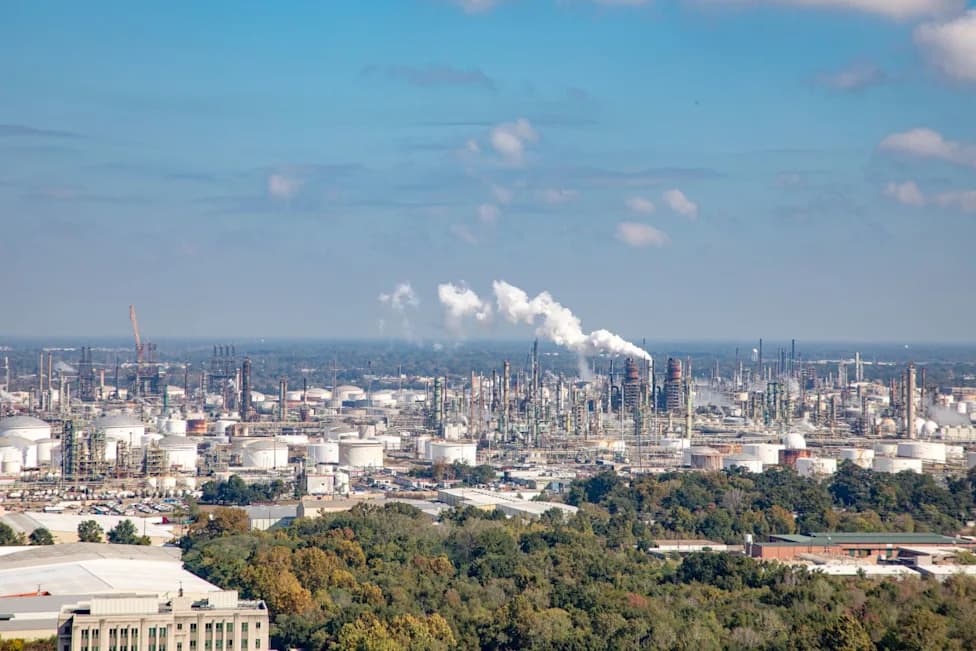
If Harris County is formally designated as out of compliance, the State of Texas would be required to develop a pollution-reduction plan (a State Implementation Plan, or SIP) to bring the area into compliance. That process could lead to tighter emission limits for industrial sources, closer permitting scrutiny of heavily polluting facilities, and additional measures to reduce transportation and other emissions.
Health And Economic Benefits
The EPA estimated that the stricter 2024 soot rule could prevent up to 4,500 premature deaths, avoid roughly 290,000 lost workdays, and deliver about $46 billion in health benefits by 2032. Communities near highways, industrial corridors and concrete batch plants — often already overburdened by pollution — would likely see the greatest health benefit from tighter controls.
For now, the court ruling is the key development: it set a timeline after the EPA did not issue the required nonattainment designations on its own. The agency has said it is reviewing the court's decision. Residents and local leaders can expect follow-up actions over the next year as designations are finalized and, if necessary, state plans are developed.
Help us improve.