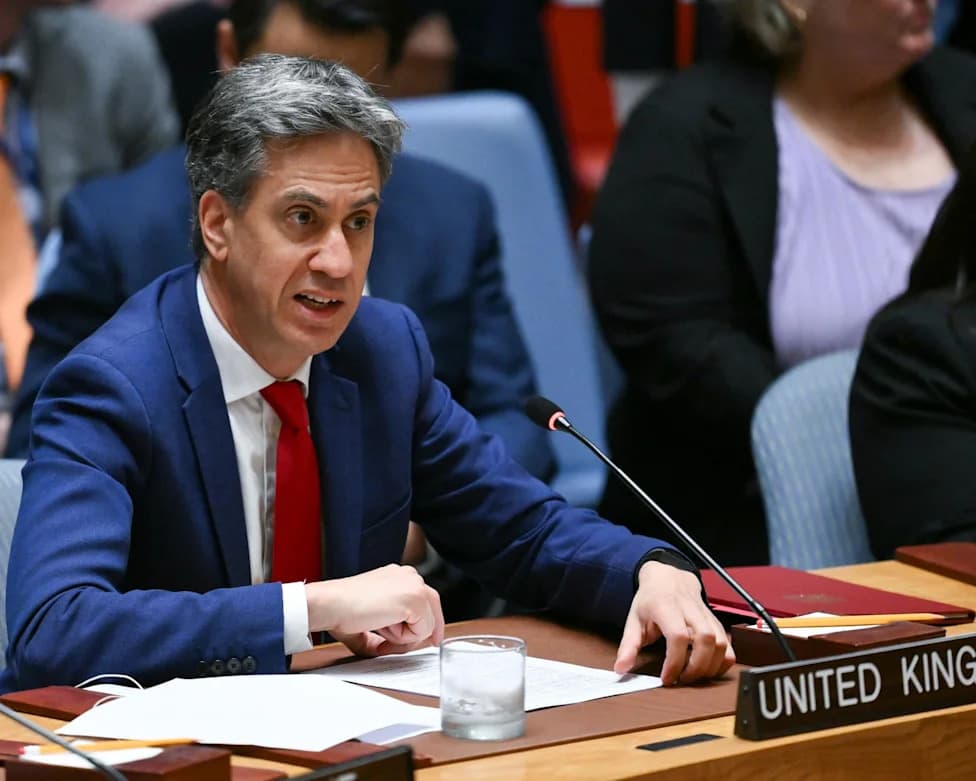
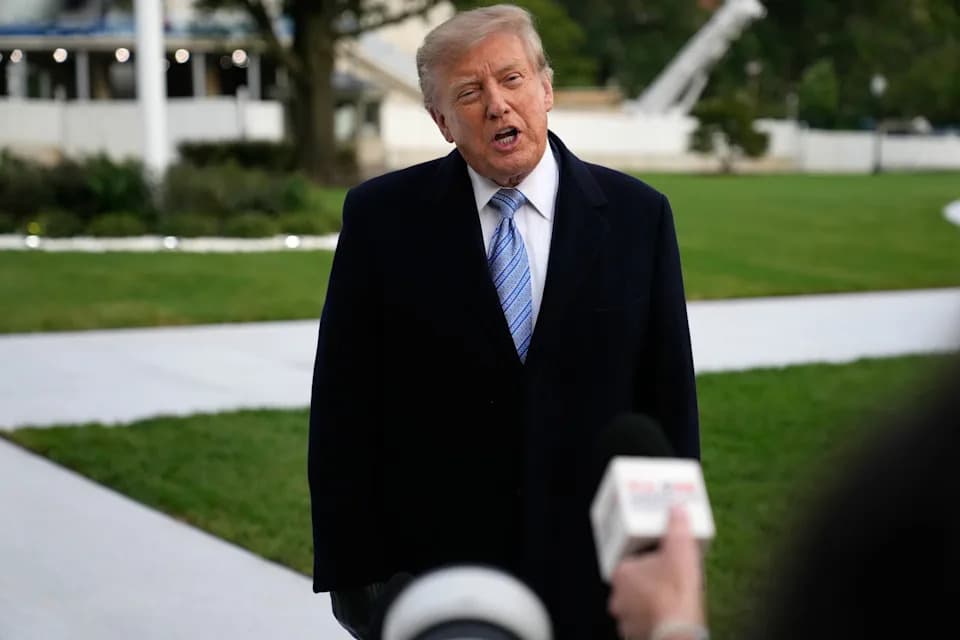
Diplomatic efforts are intensifying to reopen the Strait of Hormuz as a first step toward ending U.S.-Iran hostilities. U.S. officials say a deal could be imminent, while Iran maintains talks with Oman are focused on navigation and insists any arrangement must protect its sovereign rights. Qatar, Oman and Pakistan are mediating, but recent attacks and incidents at sea underscore ongoing risks to shipping. Negotiators are reportedly discussing a single agreed corridor for commercial traffic rather than a return to pre-war routes.
Diplomatic Push To Reopen Strait Of Hormuz Continues As U.S.-Iran Talks Reportedly Advance
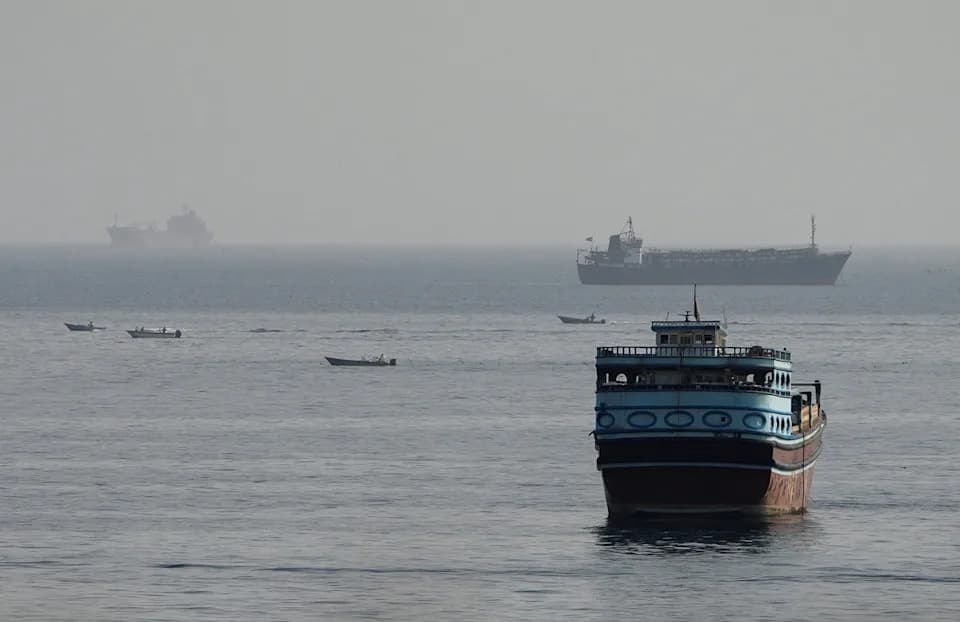
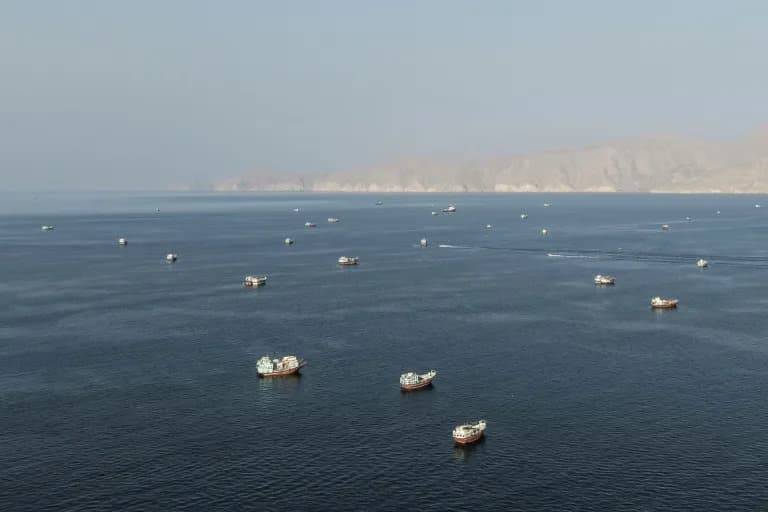
Reuters - PHOTO: Vessels in the Strait of Hormuz, as seen from Musandam, Oman, August 3, 2026.
Diplomatic efforts to end hostilities between the United States and Iran continue, with mediators racing to secure safe passage through the Strait of Hormuz as an early confidence-building step toward a broader settlement.
Where Talks Stand
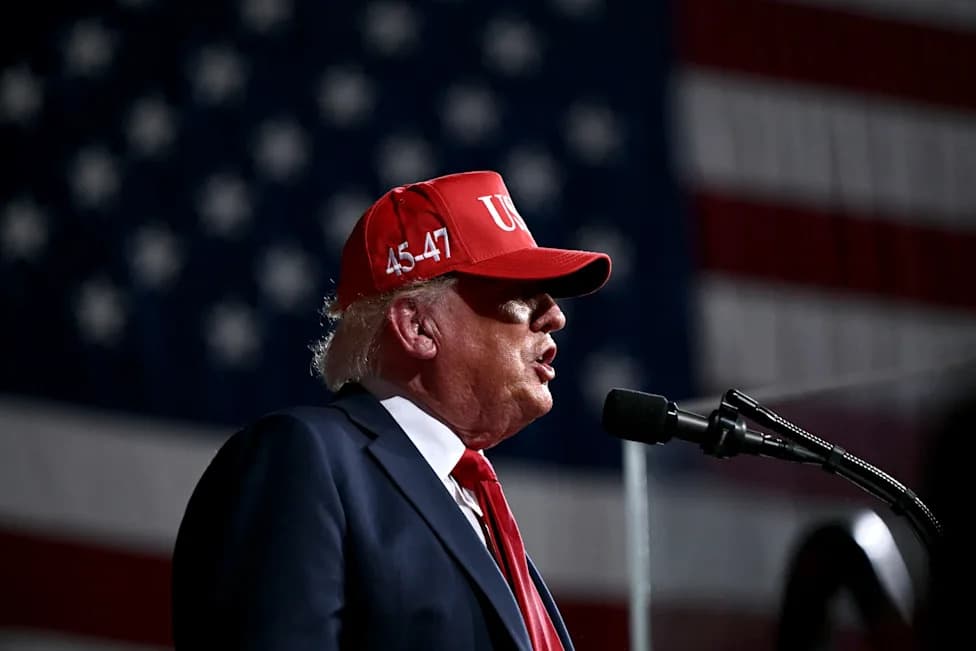
Treasury Secretary Scott Bessent told CNBC that the White House might reach a deal with Iran "today or tomorrow" to reopen the Strait of Hormuz and move "towards a more normalized position in this conflict." President Donald Trump has described any imminent agreement as a two-phase arrangement: immediate restoration of maritime passage through the Strait and a later, longer-term process addressing Iran's nuclear program.
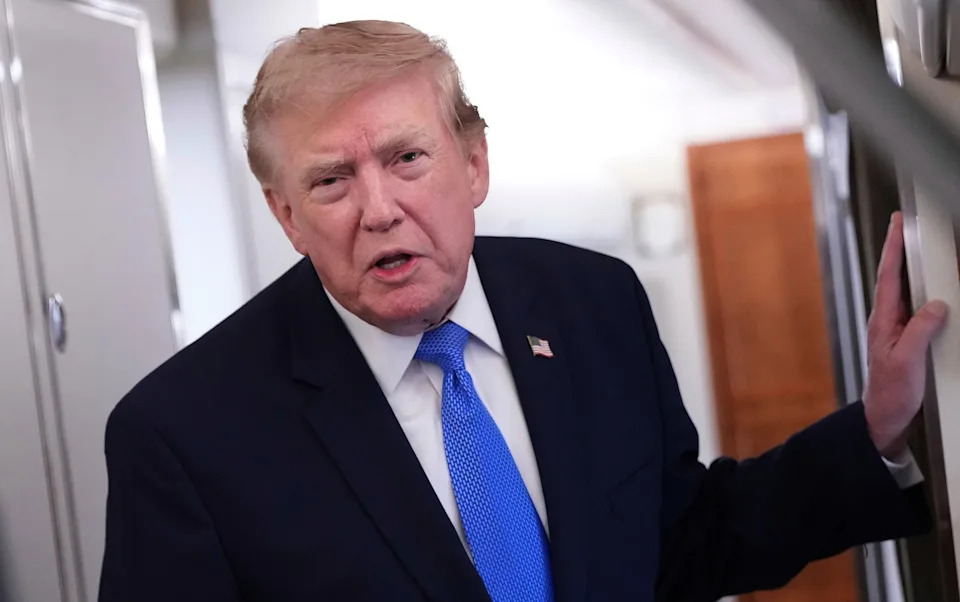
Jacquelyn Martin/AP Photo - PHOTO: President Donald Trump speaks to the media aboard Air Force One enroute to Joint Base Andrews, in Maryland, August 2, 2026.
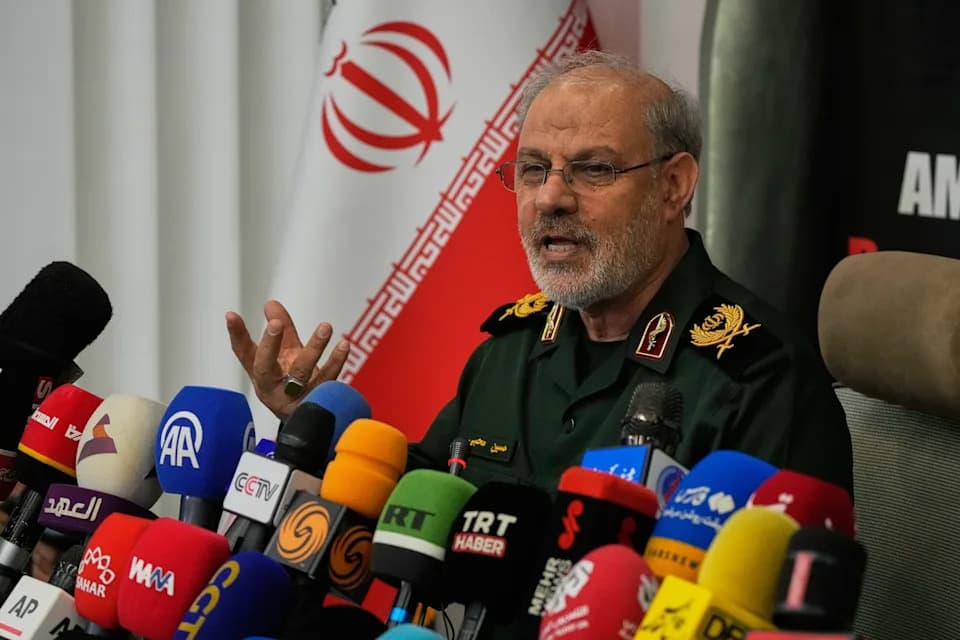
Tehran publicly denies that direct bilateral talks with Washington are underway. Iranian Foreign Ministry spokesperson Esmaeil Baqaei said negotiations with Oman are focused strictly on navigation and security in the Strait, and that broader U.S.-Iran issues would be addressed in subsequent stages.
Qatar, Oman And Regional Mediation
Majed al-Ansari, spokesperson for Qatar's Foreign Ministry, said mediators from Qatar, Pakistan and Oman remain engaged and that talks are "in very progressive stages," though he cautioned there is no final agreement yet. Ansari emphasized that a return to a ceasefire and secure shipping lanes are prerequisites for wider negotiations.
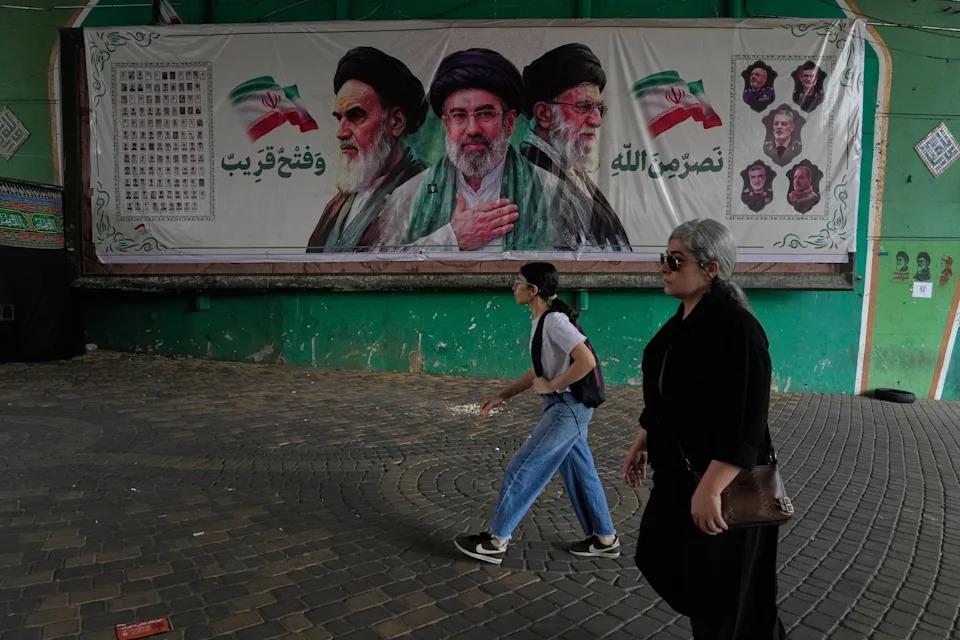
Vahid Salemi/AP Photo - PHOTO: Women walk past a banner showing portraits of Ayatollah Ruhollah Khomeini (L), Supreme Leader Ayatollah Mojtaba Khamenei (C), and the late Supreme Leader Ayatollah Ali Khamenei, under a bridge in northern Tehran, Iran, on Aug. 2, 2026.
Security Incidents Keep Tensions High
Despite diplomatic momentum, exchanges of attacks and maritime incidents continue. The Houthi armed forces claimed a precise drone strike on Najran Airport in Saudi Arabia; Riyadh had not confirmed the claim at the time of reporting. The U.K. Maritime Trade Operations Centre (UKMTO) reported a cargo ship struck by an "unknown projectile" off Oman's coast, raising fresh concerns about merchant-vessel safety in the region.
Maritime intelligence firm Kpler reported nine commercial transits of the Strait of Hormuz on Sunday and 11 on Saturday, noting that most recent crossings used the northern (Iranian) route. Kpler warned operators to treat both regional chokepoints — the Strait of Hormuz and Bab el-Mandeb — as contested until clear navigation arrangements are agreed.
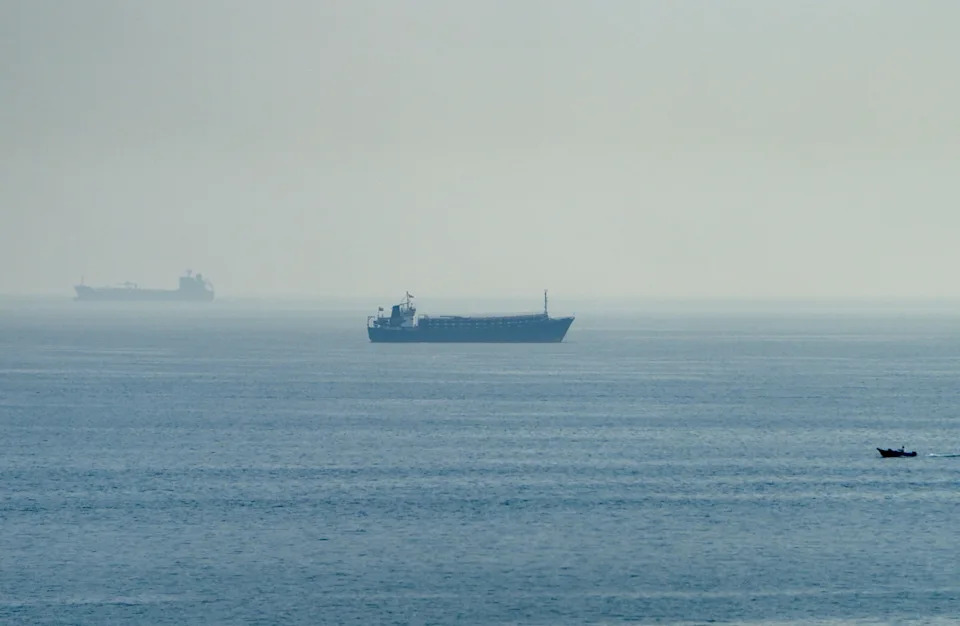
Stringer/Reuters - PHOTO: Vessels in the Strait of Hormuz, as seen from Musandam, Oman, on July 31, 2026.
U.S. Position And Military Claims
U.S. officials have suggested that military pressure has degraded key Iranian capabilities. Treasury Secretary Bessent asserted that Iran's air force, navy and a substantial portion of its missile inventory and production capacity had been damaged — assertions that Iran disputes. President Trump said he called off previously planned strikes after consultations with Gulf partners and framed this as an effort to give diplomacy another chance.
Iran's Conditions
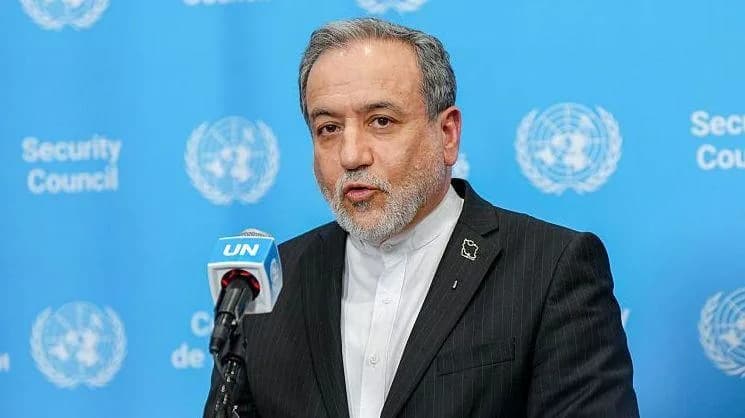
Iranian officials emphasize that any maritime arrangement must protect Iran's sovereign rights and prevent misuse of the waterway by parties that have attacked Iran. Baqaei warned that the Strait will not return to a pre-war status "under no circumstances" unless Tehran's security concerns are addressed. Iranian Foreign Minister Abbas Araghchi described talks with Oman as nearing their "final stages," while Baqaei stressed outcomes are not yet guaranteed.
Negotiators are reportedly discussing a single, mutually agreed corridor for commercial traffic rather than the split northern and southern routes currently used. Iran says implementation of the June memorandum of understanding was interrupted by renewed hostilities before the restoration period concluded.
Outlook: Mediators say progress is possible but fragile. Any agreement that reopens the Strait would ease immediate commercial and energy-market pressures, but regional violence and competing political objectives mean a lasting settlement remains uncertain.
Help us improve.