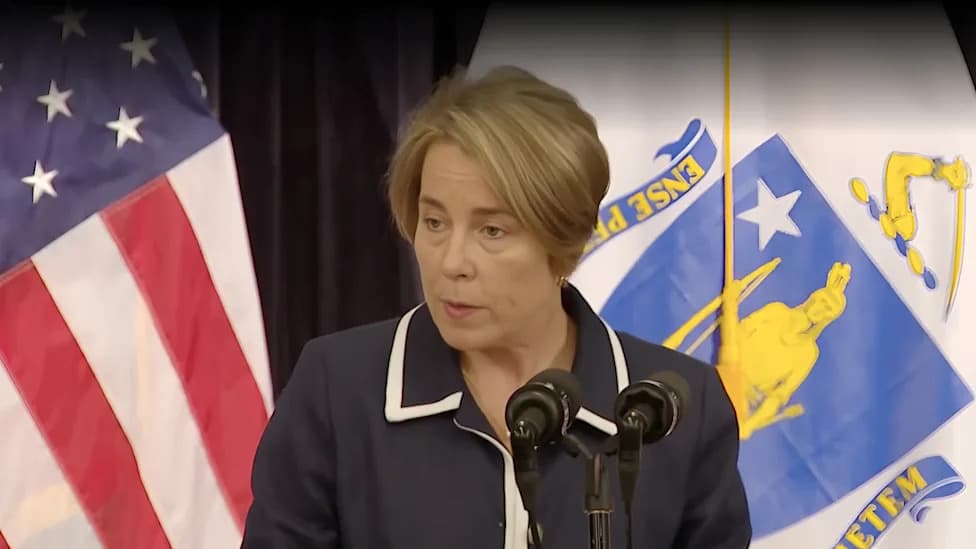
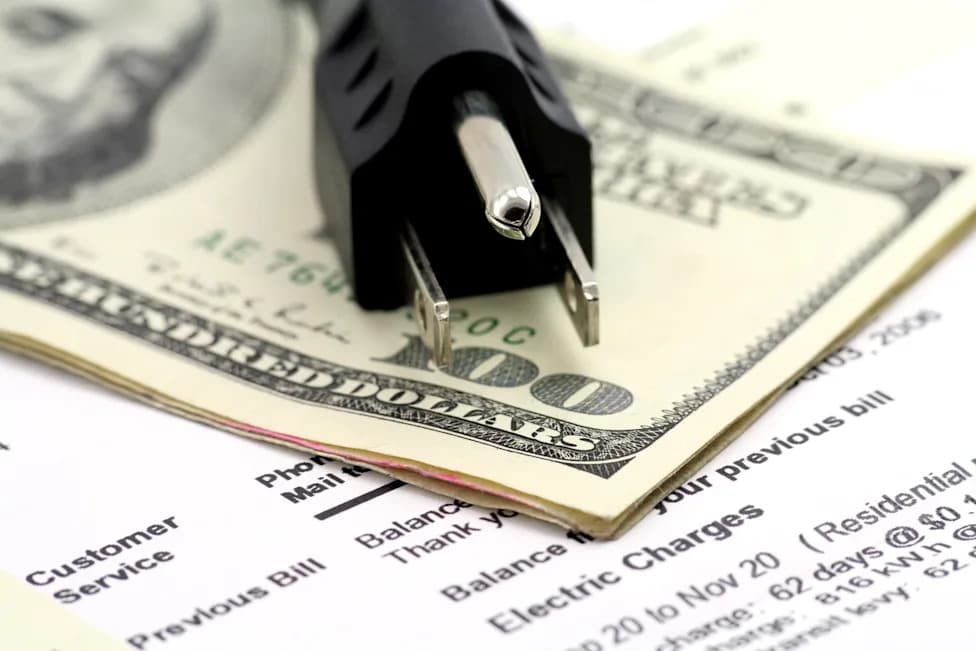
Massachusetts Gov. Maura Healey pressed the conference committee to preserve key provisions of her energy affordability bill, saying ratepayers should not absorb avoidable costs while utility profits rise. Her office noted several utilities sought rate hikes — in some cases up to 55% — after the bill was filed in May 2025. The proposal would change procurement, remove certain fees, authorize Department of Public Utilities audits, and include protections for communities facing increased demand from data centers.
Healey Calls Utility Profits "Absolutely Outrageous" and Pushes Energy Affordability Bill to Cut Bills
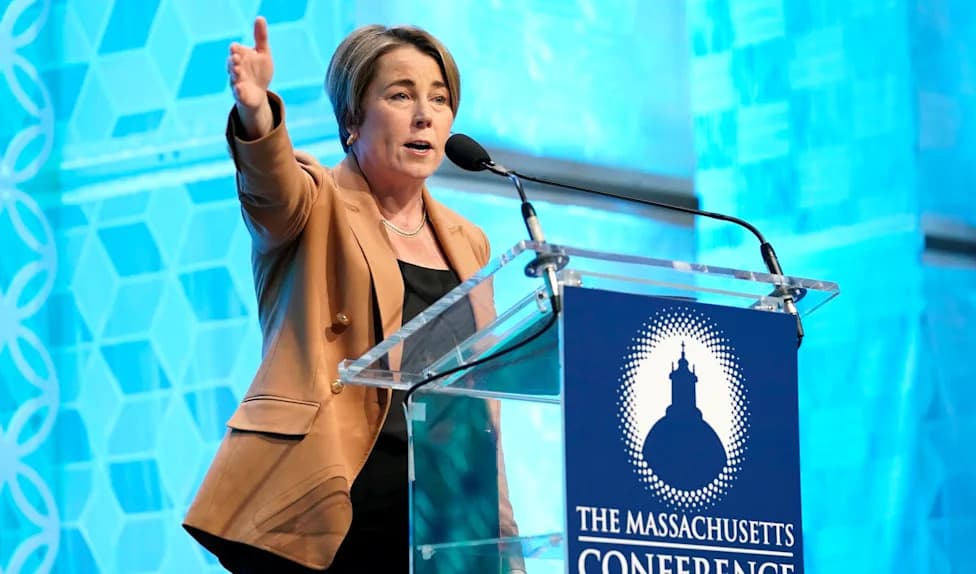
Photo Credit: Getty Images
Massachusetts Governor Maura Healey is ramping up pressure on state lawmakers and utility companies as rising energy costs continue to strain households and businesses across the Commonwealth. She’s urging the conference committee finalizing the state’s energy bill to preserve provisions she says will lower bills and increase oversight of utility spending.
What the Bill Would Do
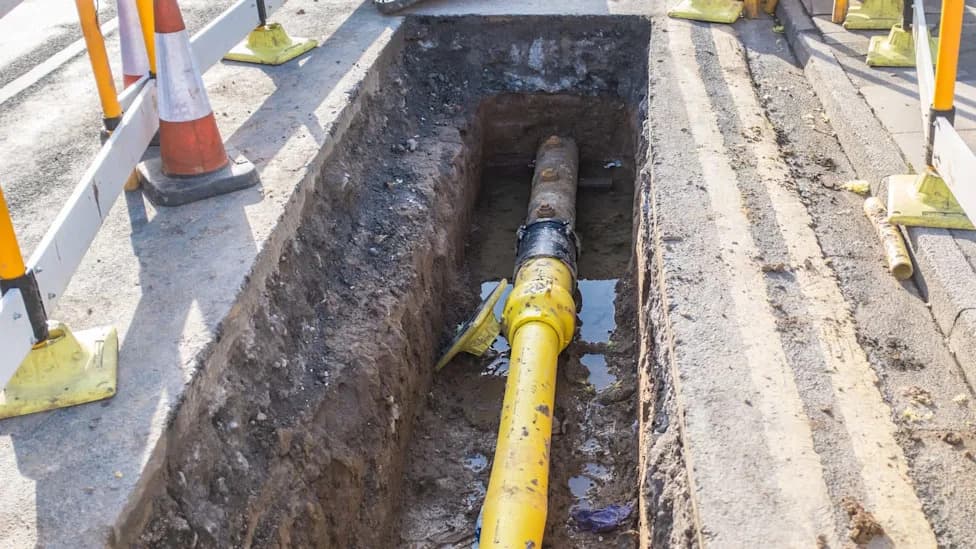
Healey’s energy affordability proposal aims to reduce costs for ratepayers by changing utility procurement practices, removing certain fees from customer bills, and accelerating development of more local and lower-cost energy sources. The bill would also give the Department of Public Utilities expanded authority to audit utility spending and target what Healey’s office calls unnecessary charges and profit adders.
Utilities, Rate Hikes and Refunds
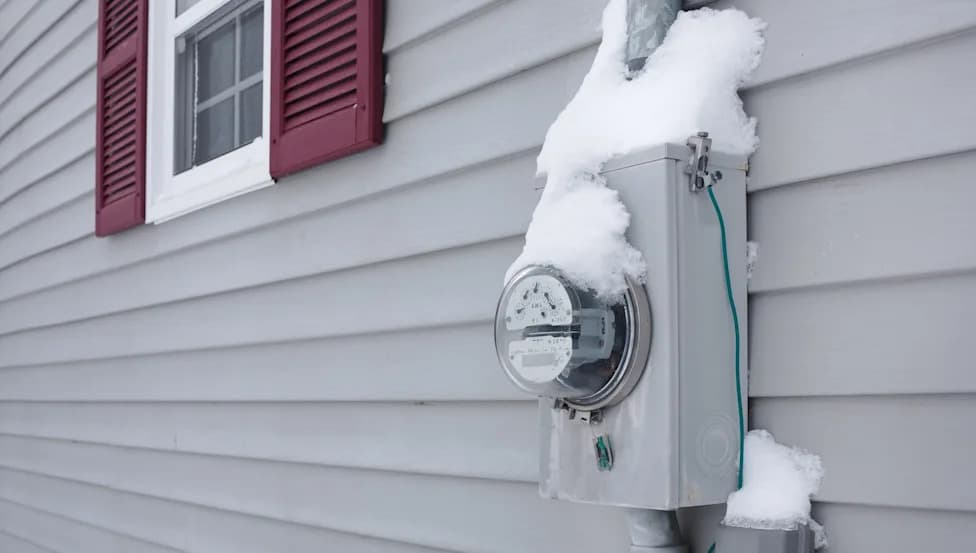
According to Healey’s office, several Massachusetts gas and electric utilities — including National Grid, Eversource, Berkshire Gas and Liberty Gas — sought rate increases over the past year, in some cases pursuing hikes as large as 55%, even after the bill was filed in May 2025. Her administration contends that infrastructure spending has driven both higher customer bills and larger utility profits.
"It is absolutely outrageous that, at a time when the people of Massachusetts are struggling to pay their energy bills, utility spending, profits and shareholder payouts are skyrocketing," Healey said.
Healey’s office also noted a recent Federal Energy Regulatory Commission (FERC) order that required New England transmission owners to return roughly $1.5 billion in previously collected profits and that lowered the allowed return on equity going forward. Her administration urged utilities to stop opposing customer refunds tied to that order.
Broader Concerns and Protections
Beyond utility accounting and procurement, the legislation includes protections related to new high-demand customers such as data centers, which can create significant additional stress on the power grid. Healey and her team argue the bill should shield ratepayers, communities and the environment from the extra costs and harms associated with rapid data center growth.
Critics of current utility incentives warn that rewarding higher spending can reduce pressure to run projects efficiently, potentially leaving ratepayers responsible for rising infrastructure and transmission costs over time. Healey’s plan seeks to change those incentives while speeding the deployment of affordable, reliable local energy sources.
"Our energy affordability legislation meets the moment we are in," said Energy and Environmental Affairs Secretary Rebecca Tepper.
As the conference committee negotiations continue, Healey has asked lawmakers to move quickly and retain the bill’s core measures aimed at limiting unnecessary utility spending and lowering customer bills.
Help us improve.