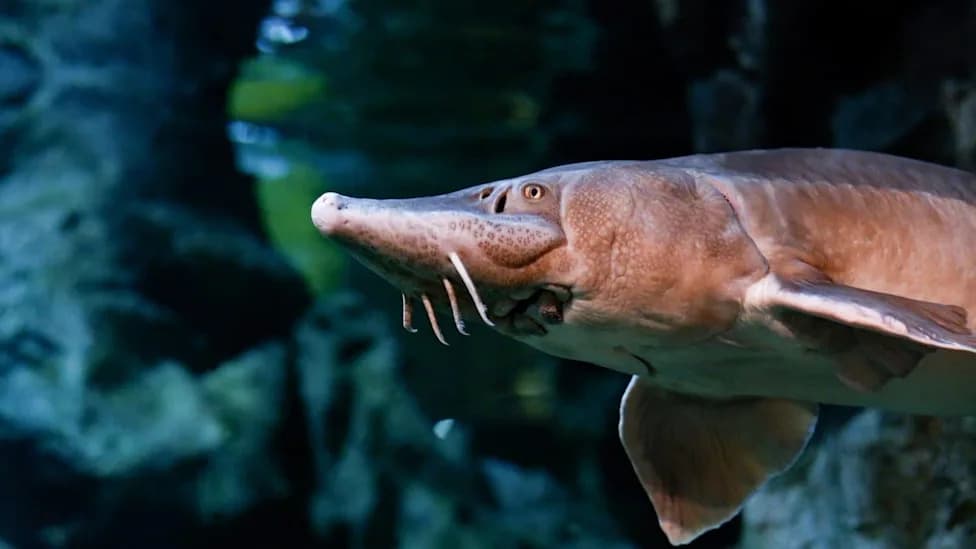
New research suggests some Great Lakes lake sturgeon may live beyond 400 years, far exceeding prior estimates near 150 years. The finding is based on 44 years of records from five sturgeon populations, including Michigan sites at Black Lake, the Sturgeon River and the St. Clair River. Female sturgeon do not mature until roughly 14–33 years and spawn only every 3–7 years, so recovery is slow and conservation must account for multi‑century timelines.
Some Great Lakes Lake Sturgeon May Live 400+ Years — Possibly Hatched Before the U.S. Existed
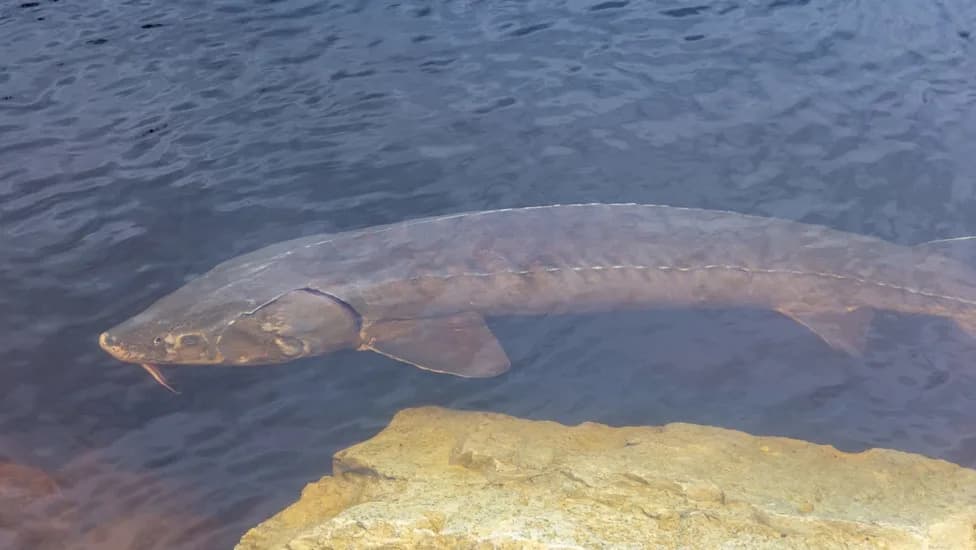
Photo Credit: iStock
New research indicates that lake sturgeon in the Great Lakes may live far longer than previously thought — in some cases more than 400 years. If confirmed, that lifespan would place lake sturgeon among the longest-lived vertebrates on Earth and mean that a few individuals currently swimming in Michigan waters may have hatched before the United States was founded.
What the Study Found
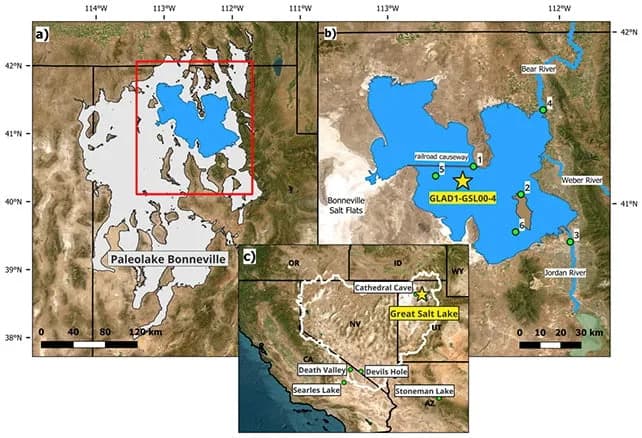
The revised longevity estimate comes from an analysis of 44 years of records spanning five lake sturgeon populations across the Great Lakes. Michigan sampling sites included Black Lake, the Sturgeon River and the St. Clair River. Earlier estimates placed maximum lifespans around 150 years; the new work suggests some individuals may persist for multiple centuries.
Why This Matters
Extreme longevity changes how we think about conservation. Vertebrates rarely reach such ages, and when they do, population dynamics and recovery occur on very long timescales. Losing even a few very old individuals could represent the permanent loss of animals that hatched centuries ago.
Compounding the concern is the species' slow reproductive schedule: female lake sturgeon typically reach sexual maturity between about 14 and 33 years of age and spawn only once every three to seven years. Those life-history traits limit the speed at which populations can rebound from declines.
Broader Implications
Lake sturgeon are ecologically and economically important across the Great Lakes basin. The study underlines the value of long-term monitoring: decades of consistent data from multiple populations were essential to detect these patterns, which shorter-term studies would likely miss.
Management and restoration plans may need to be reframed on a multi-century timeline to reflect the species' true biology — addressing habitat quality, water conditions and fishing pressure with patience and long-range commitment.
Bottom line: Michigan's lake sturgeon were already considered ancient; this research suggests some individuals may be genuine living links to pre‑industrial eras, highlighting urgent and long-term conservation priorities.
Help us improve.