The study links misophonia symptom severity to increased synchrony between the anterior insular cortex and salience-network regions involved in auditory processing and motor planning. Using 162 resting-state fMRI scans combined with a 777-person survey, researchers found misophonia-related brain patterns that were distinct from signatures of anxiety, depression, and autism. Attempts to split participants into discrete 'misophonia' and 'control' groups failed, supporting a spectrum model. Key limitations include the lack of direct misophonia assessment during scanning and the absence of sound-triggering tests.
Researchers Pinpoint Brain Circuit Linked to Misophonia’s Intense 'Rage' Response

(Daniel Day/The Image Bank/Getty Images)
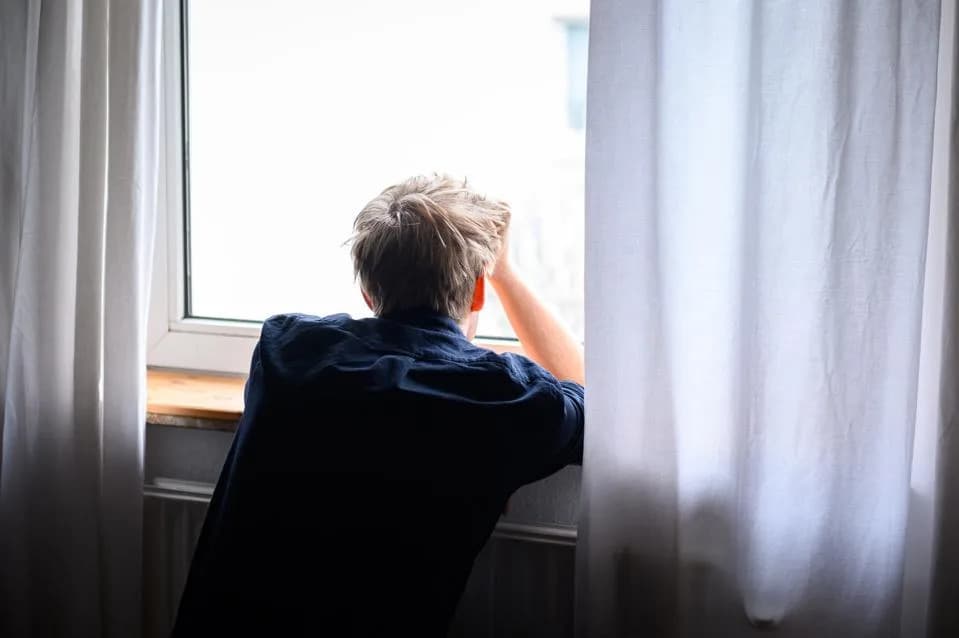
As many as one in five people may experience misophonia — an intense, often rage-like reaction to everyday sounds such as chewing, sniffing or tapping. Though relatively common, the brain mechanisms behind misophonia have remained unclear.
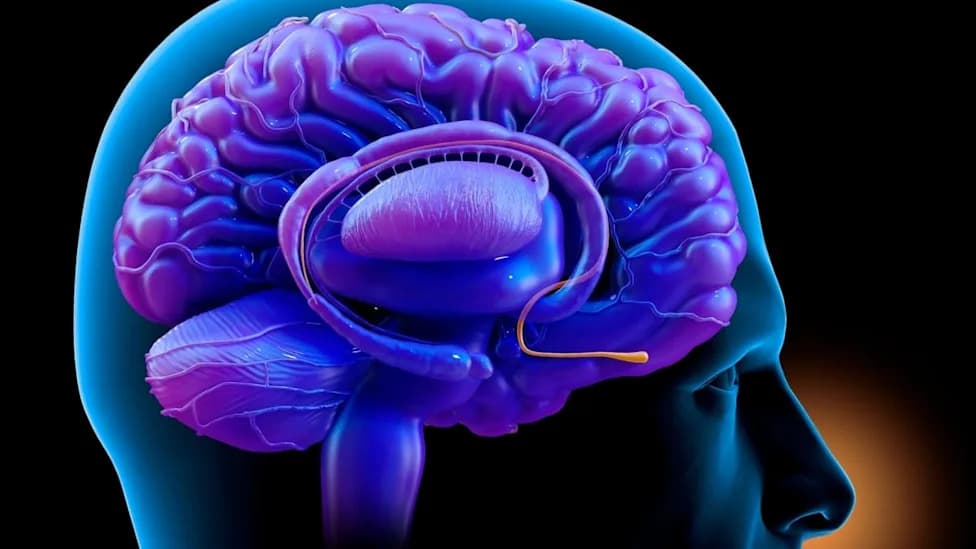
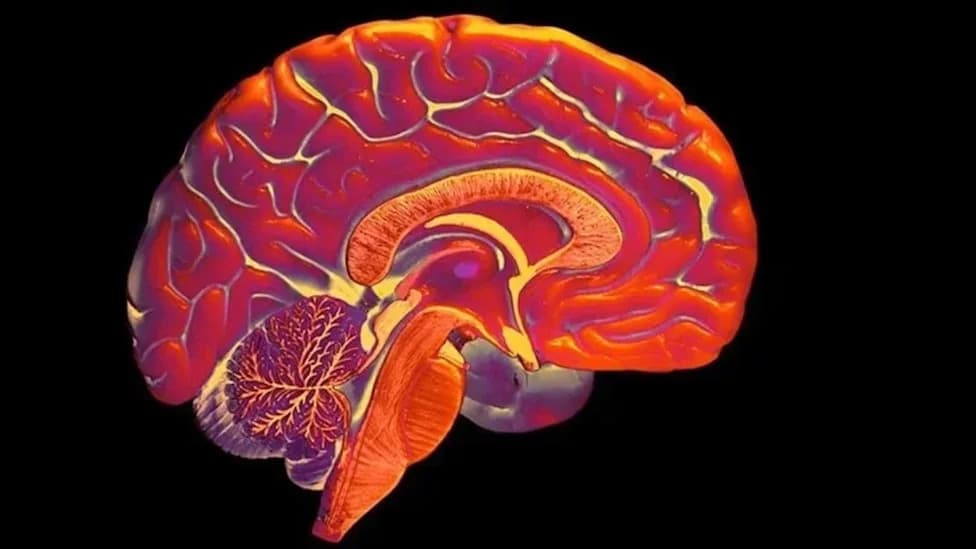
Previous studies have implicated the anterior insular cortex, a brain region involved in processing disgust, pain and attention, which is a key node of the brain’s salience network — the system that evaluates and prioritizes internal and external cues.
YouTube Thumbnail
New Evidence From Large-Scale Data
A team from the Montreal Neurological Institute (Canada) and the University of Oklahoma (US) reports new evidence in Human Brain Mapping (Hansen et al., 2026) linking misophonia severity to synchronized activity between the anterior insula and salience-network regions involved in auditory processing and motor planning. The investigators analysed resting-state fMRI scans from 162 adults drawn from an existing imaging database and combined those results with a separate survey of 777 people used to estimate misophonia severity.
Findings
Greater estimated misophonia severity correlated with tighter synchrony between anterior insula activity and salience-network areas related to sound processing and movement planning. Crucially, these misophonia-linked brain patterns did not meaningfully overlap with neural patterns typically associated with anxiety, depression or autistic traits — conditions that often co-occur with misophonia and can complicate interpretation.
YouTube Thumbnail
“These results underline the importance of the salience-network anterior insula in understanding misophonic aversion and provide tentative evidence of neurological differences between misophonia and anxiety, depression, and autism,” the authors write.
A Spectrum Rather Than A Binary Condition
When researchers attempted to divide participants into two discrete groups — "misophonia" versus "control" — the statistical brain patterns they had observed disappeared. This supports a dimensional view: misophonia appears to lie on a continuum rather than as a strict present/absent diagnosis.
Limitations And Strengths
Important caveats apply. None of the 162 scanned participants had been directly assessed for misophonia during imaging; their tendencies were inferred from statistical estimates drawn from the separate 777-person survey. No sound-triggering tests were performed during scanning. Because studies that recruit only people with diagnosed misophonia can over-represent extreme cases, the combined-dataset approach used here may better reflect variability in the general population, but it also depends on the quality of the inferred severity measures.

Subscribe to ScienceAlert's free fact-checked newsletter
Next Steps
The authors recommend follow-up studies that directly image people known to have (and to lack) misophonia, use sound-triggering or task-based paradigms, and apply other neuroimaging modalities to validate and refine these findings. Such work could help clarify causal mechanisms and inform targeted interventions.
Reference: Hansen et al., Human Brain Mapping, 2026.
Help us improve.